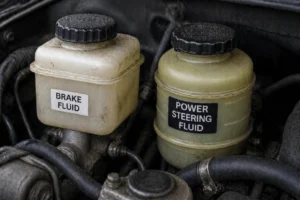
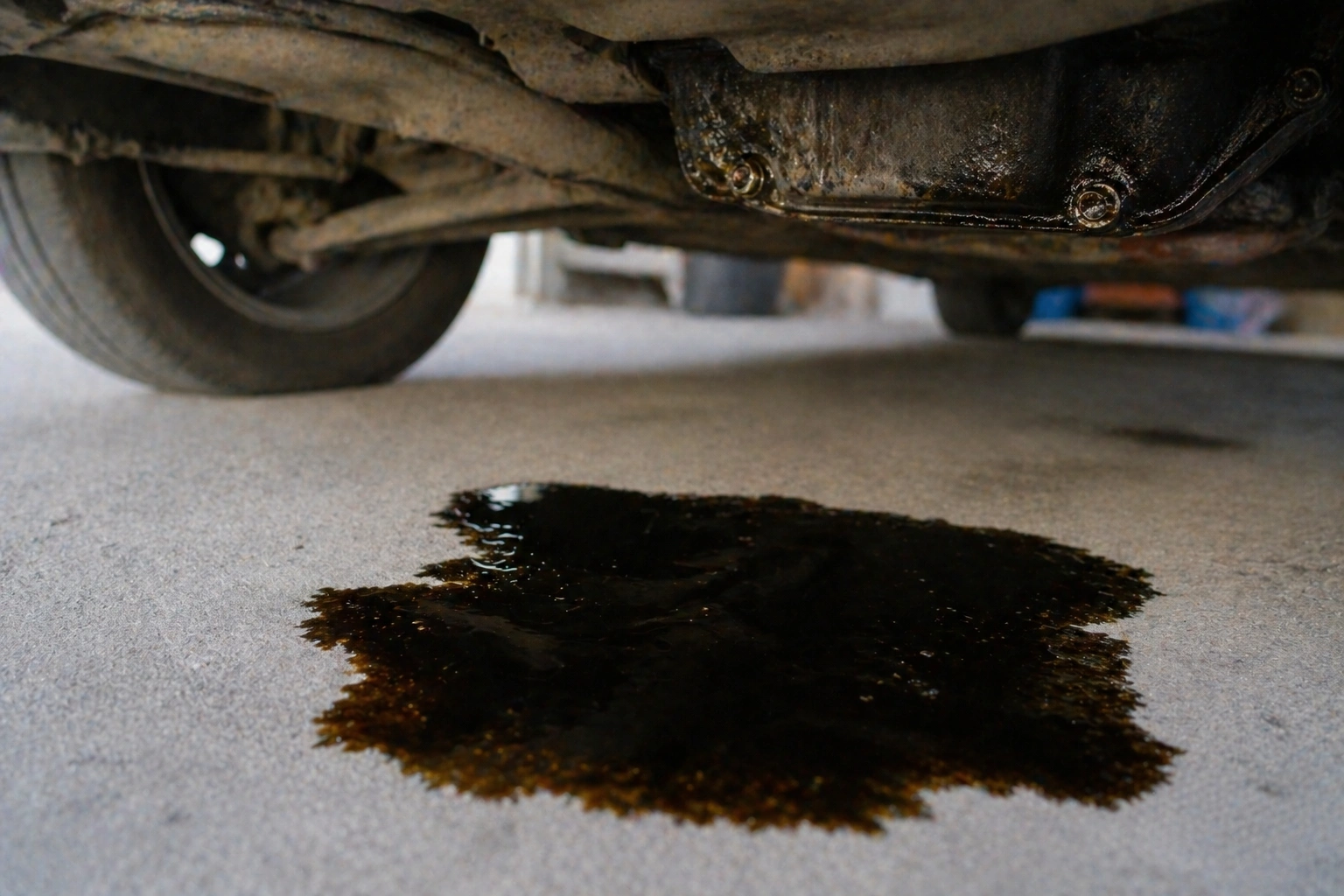
Engine oil plays a vital role in keeping a vehicle running smoothly. It lubricates moving parts, reduces friction, and helps manage heat inside the engine. When oil begins to leak, it not only creates a mess but also puts the engine at risk.
Even a small leak can lead to bigger problems if it is ignored for too long. That is why many vehicle owners start asking about repair costs as soon as they notice oil spots under their car or smell burning oil.
The cost of fixing an oil leak is not always straightforward. It depends on where the leak is coming from, how severe it is, and how much labor is required to reach the affected part.
Some leaks are quick and inexpensive to fix, while others involve deeper engine work and higher costs. A clear breakdown of causes, repair options, and expected expenses helps in making the right decision without unnecessary stress.
What Causes Oil Leaks In A Car
Common Components That Develop Leaks
Oil leaks often start from parts that seal or contain engine oil. Over time, these components wear out due to heat, pressure, and constant use. Gaskets and seals are among the most common sources of leaks. These parts are designed to keep oil contained, but they can become brittle or cracked as they age.
The valve cover gasket is a frequent culprit. It sits on top of the engine and prevents oil from escaping. When it wears out, oil can seep out and spread across the engine surface. Another common source is the oil pan gasket, which seals the bottom of the engine. Damage or wear in this area can lead to visible leaks underneath the vehicle.
Other components, such as the oil filter and drain plug, can also cause leaks if they are not installed properly or become loose. In some cases, the rear main seal, which is located deeper within the engine, may fail. This type of leak is more complex and often requires significant labor to repair.
Each of these components plays a role in maintaining proper oil containment. When one fails, it creates a pathway for oil to escape, leading to the need for repair.
How Wear And Driving Conditions Affect Leaks
Driving conditions have a direct impact on how quickly components wear out. High temperatures, frequent short trips, and stop-and-go traffic can all contribute to faster deterioration of seals and gaskets. These conditions cause repeated expansion and contraction of engine parts, which weakens materials over time.
Long drives at high speeds can also place stress on the engine. While steady driving is generally less harmful than constant stopping and starting, it still exposes components to heat and pressure for extended periods. This can accelerate wear in certain areas.
Environmental factors such as dust, moisture, and road debris can also play a role. These elements can affect the condition of external components and contribute to corrosion or damage. Over time, this increases the likelihood of leaks developing.
Regular maintenance helps reduce the impact of these factors. Checking oil levels, replacing worn parts, and addressing minor issues early can prevent small leaks from becoming larger problems.
How Much It Costs To Fix Different Types Of Oil Leaks
Minor Leaks And Low Cost Repairs
Minor oil leaks are usually the least expensive to fix. These often involve components that are easy to access and replace. For example, a loose oil filter or drain plug can be tightened or replaced quickly, resulting in minimal cost.
Valve cover gasket leaks also fall into this category in many cases. Replacing this gasket typically involves removing a few components and installing a new seal. The cost for this type of repair is generally moderate, making it one of the more affordable fixes.
Small leaks that are caught early can often be resolved without extensive labor. This keeps both parts and labor costs low. Addressing these issues promptly prevents them from developing into more serious problems.
Even though minor leaks may seem harmless, they should not be ignored. Fixing them early is always more cost-effective than waiting until the problem worsens.
Moderate Repairs And Labor Involved
Some oil leaks require more effort to fix due to their location or complexity. Oil pan gasket replacement is one example. This repair involves accessing the underside of the engine and removing components to reach the gasket. The process takes more time, which increases labor costs.
Timing cover gasket leaks also fall into this category. These repairs may require partial disassembly of the engine, depending on the vehicle design. The additional labor involved makes the cost higher than simple gasket replacements.
In these cases, the cost is influenced by both the price of parts and the time required for the repair. While not as expensive as major repairs, they still require careful attention and proper tools.
Moderate repairs highlight the importance of early detection. Addressing leaks before they reach this stage can help avoid higher costs and more complex work.
Major Repairs And High Cost Scenarios
Major oil leaks are typically associated with components that are difficult to access. The rear main seal is a common example. This seal is located between the engine and transmission, making it one of the most labor-intensive repairs.
Fixing this type of leak often requires removing the transmission, which significantly increases labor time and cost. Even though the part itself may not be expensive, the effort required to replace it makes the overall repair costly.
Other major leaks may involve internal engine components or extensive damage caused by prolonged oil loss. In such cases, additional repairs may be needed to address related issues.
These scenarios represent the higher end of repair costs. They also emphasize the importance of regular inspection and maintenance to prevent leaks from reaching this stage.
Factors That Affect Oil Leak Repair Costs
Vehicle Type And Engine Design
The type of vehicle plays a significant role in determining repair costs. Different models have unique engine layouts, which affect how easy or difficult it is to access certain components. Compact cars may have simpler designs, while larger vehicles or performance models may require more complex work.
Engine design also influences cost. Some engines have tightly packed components, making it harder to reach certain areas. This increases labor time and, in turn, the overall cost of repair.
Parts availability can vary depending on the vehicle. Common models often have widely available parts at lower prices, while less common or specialized vehicles may require more expensive components.
Considering these factors helps explain why repair costs can differ significantly between vehicles. It also highlights the importance of knowing the specific requirements of a particular model.
Labor Rates And Location Differences
Labor costs vary depending on location and service provider. Repair shops in urban areas may charge higher rates compared to those in smaller towns. The level of expertise and equipment available at a shop can also influence pricing.
Complex repairs require skilled technicians and specialized tools. This adds to the cost but ensures that the job is done correctly. Choosing a reputable service provider helps avoid additional issues later.
Time is another important factor. Repairs that take longer naturally cost more due to increased labor hours. Understanding how labor rates are calculated helps in estimating the total cost more accurately.
Balancing cost and quality is important when selecting a repair service. A well-executed repair provides long-term reliability and reduces the need for repeated work.
How To Prevent Oil Leaks And Reduce Costs
Regular Maintenance And Early Detection
Preventing oil leaks starts with regular maintenance. Checking oil levels and inspecting the engine for signs of leaks helps identify problems early. Small spots under the vehicle or a slight oil smell can indicate the beginning of a leak.
Replacing gaskets and seals at recommended intervals helps maintain their effectiveness. These components are designed to wear out over time, and replacing them before failure reduces the risk of leaks.
Routine oil changes also play a role. Clean oil helps maintain proper lubrication and reduces stress on engine components. This supports the overall health of the system and minimizes the likelihood of leaks.
Early detection is key to reducing repair costs. Addressing issues at the first sign of trouble prevents them from becoming more serious and expensive.
Driving Habits And Long Term Care
Driving habits can influence the condition of engine components. Smooth acceleration and avoiding excessive strain on the engine help reduce wear. Consistent driving patterns are less stressful on seals and gaskets compared to frequent short trips.
Allowing the engine to warm up properly before driving helps maintain stable operating conditions. Sudden temperature changes can affect the durability of components over time.
Keeping the engine clean also helps in spotting leaks quickly. A clean surface makes it easier to identify the source of any oil seepage. This allows for faster diagnosis and repair.
Long-term care involves a combination of maintenance and mindful driving. These practices help extend the life of engine components and reduce the chances of costly repairs.
Final Thoughts
The cost of fixing an oil leak can vary widely depending on the source and severity of the problem. Minor leaks are often inexpensive to repair, while more complex issues can require significant labor and higher costs. Knowing what to expect helps in planning and making informed decisions.
Regular maintenance and early detection play a major role in keeping costs manageable. Addressing small issues before they escalate ensures that repairs remain simple and affordable. A proactive approach helps maintain engine health and prevents unnecessary expenses.
Oil leaks should never be ignored. Taking action at the right time protects the engine, improves reliability, and ensures that the vehicle continues to perform as expected.