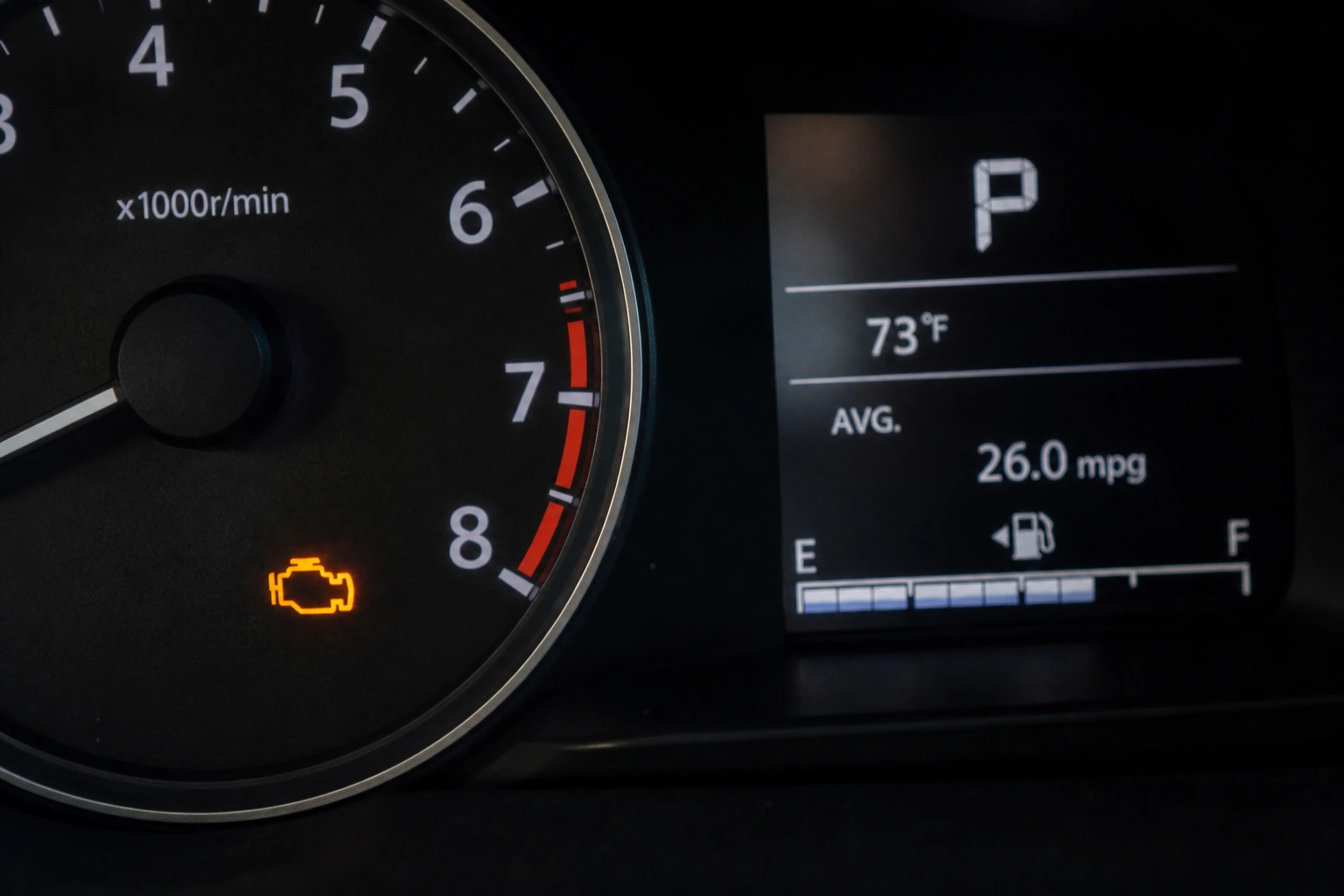
Modern vehicles are equipped with advanced systems that constantly monitor engine performance, emissions, and overall efficiency. One of the most noticeable alerts is the check engine light, which appears on the dashboard when the system detects something outside normal limits. While it often signals a problem that needs attention, there are situations where the light turns on briefly and then goes off on its own.
This behavior can be confusing. A light that disappears may seem harmless, but it usually means the system detected a temporary issue and then returned to normal conditions. These intermittent alerts are often linked to minor faults, sensor fluctuations, or conditions that corrected themselves.
Even though the light is no longer visible, the underlying cause may still exist. Paying attention to patterns and understanding what triggered the alert helps prevent larger problems. A detailed approach to diagnosis ensures that the vehicle continues to operate reliably without unexpected issues.
What Check Engine Light Means In Modern Cars
Role Of Engine Control System
The check engine light is part of the onboard diagnostic system, often referred to as OBD. This system continuously monitors various components such as sensors, fuel delivery, and emissions. When it detects a condition that falls outside the expected range, it triggers the warning light.
The system is designed to identify both minor and serious issues. Some problems may affect performance immediately, while others relate to emissions and long-term efficiency. The light serves as an early indicator, allowing drivers to take action before the issue becomes more severe.
Even when the light turns off, the system often stores a record of the event. This stored information can be retrieved using a diagnostic tool, providing insight into what caused the alert.
This process ensures that potential problems are not completely hidden, even if the warning disappears.
Difference Between Temporary And Persistent Alerts
Not all check engine light warnings are the same. Some are temporary and disappear once the system detects that conditions have returned to normal. Others remain on, indicating an ongoing issue that requires attention.
Temporary alerts often occur due to momentary changes in sensor readings or operating conditions. For example, a brief fluctuation in fuel pressure or air intake may trigger the light.
Persistent alerts indicate a problem that continues to affect the system. These require immediate inspection and repair to prevent further damage.
Recognizing the difference between these types of alerts helps determine the urgency of the situation.
Why Light Can Turn Off Automatically
The check engine light can turn off automatically when the system no longer detects the issue. This happens when the vehicle completes a series of diagnostic checks and confirms that conditions are within normal limits.
For example, if a loose gas cap is tightened, the system may take a few driving cycles to verify that the issue is resolved. Once confirmed, the light turns off.
However, the system may still retain a stored code for future reference. This allows technicians to identify past issues even if the light is no longer active.
Automatic reset does not always mean the problem is permanently fixed, which is why further inspection is important.
Common Reasons Check Engine Light Comes And Goes
Loose Or Faulty Gas Cap
A loose or faulty gas cap is one of the most common causes of intermittent check engine light warnings. The gas cap plays a role in maintaining pressure within the fuel system. When it is not sealed properly, the system detects a leak and triggers the light.
Once the cap is tightened, the system may return to normal and turn the light off after a few driving cycles. This creates the appearance of a temporary issue.
Even though the fix is simple, ignoring it can lead to repeated warnings. Ensuring that the cap is secure helps maintain proper system function.
This small component can have a noticeable impact on vehicle diagnostics.
Sensor Fluctuations And Minor Glitches
Modern vehicles rely on numerous sensors to monitor performance. These sensors can sometimes produce temporary fluctuations due to environmental conditions or minor irregularities.
For example, changes in temperature, humidity, or fuel quality can affect sensor readings. These variations may trigger the check engine light briefly before returning to normal.
Electrical glitches or momentary communication errors can also cause the light to appear and disappear. These issues are often difficult to detect without diagnostic tools.
Monitoring the frequency of these events helps determine whether further inspection is needed.
Fuel Quality And Combustion Issues
Fuel quality can influence engine performance and trigger temporary warnings. Contaminated or low-quality fuel may cause incomplete combustion, leading to sensor readings that fall outside normal limits.
Once the fuel is used and replaced with better quality, the system may return to normal, causing the light to turn off. This creates an intermittent pattern.
Occasional issues may not cause immediate damage, but repeated occurrences can affect engine efficiency.
Using high-quality fuel helps maintain consistent performance and reduces the likelihood of warnings.
Should You Worry If Light Turns Off
Situations Where It Is Not Serious
In some cases, a check engine light that turns off may not indicate a serious problem. Minor issues such as a loose gas cap or temporary sensor fluctuation can resolve on their own.
If the vehicle continues to run smoothly without any noticeable changes, the issue may be minor. However, this does not mean it should be ignored completely.
Keeping track of when the light appears and disappears helps identify patterns.
Even minor issues should be monitored to prevent recurrence.
When It Indicates A Hidden Problem
An intermittent check engine light can also signal a hidden issue that has not fully developed. Components such as sensors, ignition coils, or fuel injectors may be starting to fail but still function occasionally.
These problems may not trigger a constant warning but can worsen over time. Ignoring them can lead to more serious issues and higher repair costs.
Retrieving stored diagnostic codes provides valuable information about the cause.
Addressing the issue early prevents further complications.
Importance Of Reading Stored Codes
Even if the light is off, the vehicle’s diagnostic system may store codes related to the issue. These codes can be accessed using an OBD scanner.
Reading these codes helps identify the exact cause of the warning. This eliminates guesswork and allows for accurate diagnosis.
Professional inspection may be required for complex issues.
Using diagnostic tools ensures that the problem is properly addressed.
Quick Diagnosis Table For Intermittent Check Engine Light
| Symptom | Possible Cause | Recommended Action |
| Light On Then Off | Loose Gas Cap | Tighten Or Replace Cap |
| No Performance Issues | Sensor Fluctuation | Monitor And Scan Codes |
| Light Appears Frequently | Failing Sensor | Diagnostic Inspection |
| Rough Engine Behavior | Fuel Or Ignition Issue | Check Fuel System |
| Light After Refueling | EVAP System Issue | Inspect Fuel System Components |
Steps To Diagnose And Fix The Issue
Using OBD Scanner For Code Reading
An OBD scanner is one of the most effective tools for diagnosing check engine light issues. It connects to the vehicle’s diagnostic port and retrieves stored codes.
These codes provide specific information about the system that triggered the warning. Understanding the codes helps identify the root cause.
Even if the light is off, stored codes can reveal past issues.
Using this tool ensures accurate and efficient diagnosis.
Checking Basic Components First
Before considering complex repairs, it is important to check basic components. Ensuring that the gas cap is secure, inspecting visible wiring, and checking fluid levels can resolve simple issues.
These steps are quick and do not require advanced tools. They often eliminate common causes of intermittent warnings.
Addressing basic issues first saves time and effort.
Simple checks can prevent unnecessary repairs.
Professional Inspection And Repair
If the issue persists or the cause is unclear, professional inspection is recommended. Technicians use advanced tools to diagnose and repair complex problems.
This may involve testing sensors, inspecting wiring, or replacing faulty components. Professional expertise ensures accurate results.
Investing in proper diagnosis prevents recurring issues.
Reliable repair restores normal vehicle operation.
What To Keep In Mind
A check engine light that appears briefly and then disappears should not be ignored. It often indicates a temporary issue, but it can also signal the early stage of a larger problem. Monitoring the vehicle’s performance, checking stored codes, and addressing minor issues early helps maintain reliability. Taking action at the right time prevents unexpected breakdowns and ensures that the vehicle continues to operate efficiently.
Frequently Asked Questions?
Why Did My Check Engine Light Turn On And Then Off?
It is usually caused by a temporary issue such as a loose gas cap or sensor fluctuation.
Is It Safe To Drive If The Light Turns Off?
Yes, but it is still important to check for stored codes and monitor the vehicle.
Can The Problem Fix Itself?
Some minor issues may resolve temporarily, but the root cause may still exist.
Should I Scan The Car Even If Light Is Off?
Yes, scanning helps identify stored codes and hidden issues.
What If The Light Comes Back Again?
Repeated warnings indicate a persistent problem that requires inspection.