Engines are built to handle heat, pressure, and constant motion, but they rely on proper care to keep everything working in balance. When that balance is lost, serious damage can occur inside the engine. One of the most severe outcomes is a blown engine, a condition where internal components fail to the point that normal operation is no longer possible.
Unlike minor mechanical issues, a blown engine often comes with clear warning signs. These signs may appear gradually or happen suddenly, depending on the cause. Strange noises, smoke, loss of power, and fluid issues are some of the most noticeable indicators.
Recognizing these symptoms early helps avoid complete failure or allows quick action if damage has already occurred. A clear understanding of what to look for, how to confirm the problem, and what options are available can make a difficult situation easier to manage.
What Does A Blown Engine Mean
Internal Damage And Loss Of Function
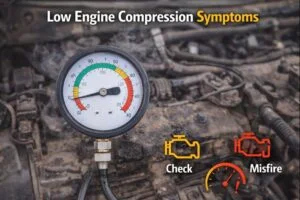
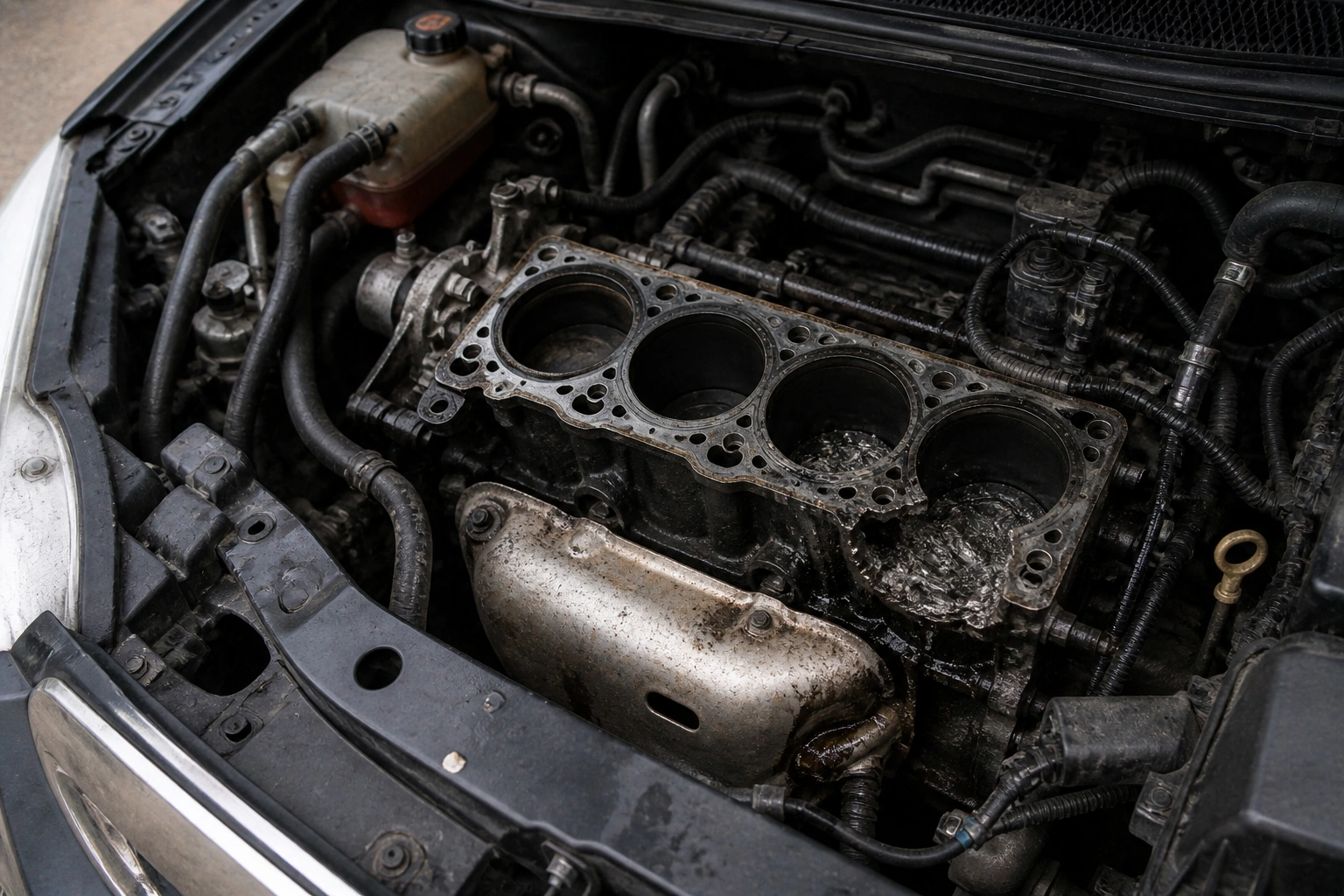
A blown engine refers to severe internal damage that prevents the engine from operating properly. This damage can involve critical components such as pistons, cylinders, crankshaft, or valves. When these parts fail, the engine cannot maintain compression or proper movement, leading to complete or near-complete loss of function.
The term does not refer to a single type of failure but rather a condition where multiple internal issues have reached a critical point. In many cases, the engine may stop running entirely, or it may run with extreme difficulty and noise.
This level of damage often requires major repair or full replacement. It is one of the most serious mechanical problems a vehicle can face.
Understanding what a blown engine means helps in recognizing the severity of the situation.
Common Causes Of Engine Failure
Several factors can lead to engine failure. One of the most common is lack of lubrication. When engine oil levels drop or oil quality degrades, internal components experience increased friction, leading to overheating and damage.
Overheating itself is another major cause. When the engine temperature rises beyond safe limits, it can warp metal parts and damage seals. Cooling system failures often contribute to this issue.
Detonation or knocking can also cause internal damage. This occurs when fuel ignites improperly, creating excessive pressure inside the cylinders.
Other causes include poor maintenance, using incorrect fluids, and ignoring warning signs. Each of these factors can contribute to engine failure over time.
Difference Between Minor And Severe Damage
Not all engine problems indicate a blown engine. Minor issues such as worn components or small leaks can often be repaired without replacing the entire engine.
Severe damage, on the other hand, affects the core components and prevents normal operation. This includes broken pistons, seized engines, or major internal wear.
Identifying the difference helps determine whether repair or replacement is necessary. Proper diagnosis ensures the right solution is chosen.
Recognizing the severity of the problem is essential for making informed decisions.
Major Signs Your Engine Is Blown
Loud Knocking Or Banging Noise
One of the most serious signs of engine failure is a loud knocking or banging noise. This sound often comes from damaged internal components such as connecting rods or pistons.
The noise may start as a faint knock and become louder over time. It indicates that parts inside the engine are no longer moving smoothly and may be colliding with each other.
This type of sound should never be ignored. Continuing to run the engine can cause further damage and increase repair costs.
Immediate inspection is necessary to prevent complete failure.
Excessive Smoke From Exhaust
Smoke from the exhaust can reveal important information about engine condition. Thick blue or white smoke often indicates serious internal problems.
Blue smoke suggests that oil is burning inside the engine, which can be caused by worn piston rings or seals. White smoke may indicate coolant entering the combustion chamber, often due to a blown head gasket.
These conditions affect engine performance and can lead to further damage. The presence of heavy smoke is a clear warning sign.
Addressing the issue promptly helps prevent additional complications.
Loss Of Power And Engine Stalling
A blown engine often results in significant loss of power. The vehicle may struggle to accelerate or maintain speed. In severe cases, the engine may stall completely.
This happens because internal damage affects compression and combustion. Without proper pressure, the engine cannot generate the power needed to operate.
Repeated stalling or inability to start the engine indicates serious problems.
Diagnosing the cause helps determine whether repair or replacement is required.
Warning Signs Before Complete Engine Failure
Overheating And Temperature Issues
Overheating is one of the most common warning signs before engine failure. A rising temperature gauge or warning light indicates that the engine is operating beyond safe limits.
This can be caused by low coolant levels, a failing radiator, or a malfunctioning thermostat. Continued overheating can warp engine components and lead to severe damage.
Addressing temperature issues early helps prevent long-term damage. Ignoring them increases the risk of engine failure.
Maintaining the cooling system is essential for engine health.
Oil Leaks And Low Oil Pressure
Oil leaks can reduce lubrication and lead to increased friction within the engine. Low oil pressure is a serious concern, as it indicates that oil is not circulating properly.
This can cause components to wear out quickly and generate heat. Over time, this leads to internal damage and potential failure.
Visible oil leaks or warning lights should be addressed immediately. Regular checks help maintain proper oil levels.
Proper lubrication is critical for engine longevity.
Unusual Engine Behavior And Sounds
Changes in engine behavior often signal developing problems. Rough operation, unusual vibrations, or inconsistent performance may indicate internal issues.
Strange sounds such as ticking or grinding can also point to wear or damage. These signs may appear gradually and become more noticeable over time.
Paying attention to these changes helps identify problems early. Addressing them promptly prevents further damage.
Monitoring engine performance ensures reliability.
Quick Comparison Of Engine Condition
| Symptom | Minor Issue | Severe Engine Damage |
| Noise Level | Light Ticking | Loud Knocking |
| Smoke | Occasional | Heavy Continuous |
| Power Loss | Slight | Significant |
| Engine Start | Normal | Difficult Or Impossible |
| Repair Cost | Low To Moderate | High |
What To Do If Engine Is Blown
Diagnosis And Inspection Steps
The first step is confirming the extent of the damage. A professional inspection can identify the affected components and determine whether repair is possible.
Diagnostic tools and physical inspection provide accurate results. This helps avoid unnecessary repairs or replacements.
Understanding the condition of the engine is essential for making the right decision.
Proper diagnosis ensures effective solutions.
Repair Vs Replacement Decision
Depending on the severity of the damage, the engine may be repaired or replaced. Minor damage can sometimes be fixed by replacing specific components.
Severe damage often requires complete engine replacement. This option provides long-term reliability but comes with higher cost.
Choosing between repair and replacement depends on budget, vehicle condition, and long-term plans.
Evaluating options helps make a practical decision.
Cost Overview For Engine Work
| Repair Type | Estimated Cost Range |
| Minor Repairs | $300 – $1,000 |
| Partial Rebuild | $1,500 – $4,000 |
| Full Engine Replacement | $3,000 – $8,000+ |
Costs vary based on vehicle type and labor. Planning ahead helps manage expenses.
How To Prevent Engine Failure
Regular Maintenance And Oil Changes
Routine maintenance is the best way to prevent engine failure. Regular oil changes ensure proper lubrication and reduce wear.
Checking fluid levels and replacing filters helps maintain engine performance. Following service schedules keeps components in good condition.
Consistent maintenance reduces the risk of serious issues.
Monitoring Temperature And Performance
Keeping an eye on the temperature gauge helps detect overheating early. Addressing cooling system issues prevents damage.
Monitoring performance and addressing unusual behavior ensures reliability.
Staying alert to changes helps maintain engine health.
Using Quality Fuel And Fluids
Using high-quality fuel and fluids improves engine performance and reduces the risk of damage. Proper products ensure efficient combustion and lubrication.
Avoiding low-quality or contaminated fuel helps maintain system integrity.
Investing in quality supports long-term reliability.
Severe engine damage rarely happens without warning. Sounds, smoke, overheating, and power loss usually appear before complete failure. Acting early can sometimes prevent a full breakdown or reduce repair costs. When damage is already extensive, evaluating repair and replacement options carefully ensures a practical outcome. A well-maintained engine remains reliable for years, while neglected issues often lead to expensive consequences.
Frequently Asked Questions?
What Are The First Signs Of A Blown Engine?
Loud knocking, smoke from exhaust, and loss of power are common early signs.
Can A Blown Engine Be Fixed?
Minor damage can sometimes be repaired, but severe cases often require replacement.
Is It Safe To Drive With A Blown Engine?
No, it can cause further damage and is not safe.
How Much Does It Cost To Replace An Engine?
It can range from $3,000 to over $8,000 depending on the vehicle.
What Causes Engine Failure Most Often?
Lack of oil, overheating, and poor maintenance are the most common causes.