A steady ticking sound from the engine at idle can raise concern, especially when the vehicle is otherwise running smoothly. Engines produce a variety of normal sounds, but a ticking noise often stands out because of its rhythm and consistency. It can be soft and barely noticeable or loud enough to be heard clearly from outside the vehicle.
This type of sound usually comes from components that move rapidly and rely on proper lubrication or precise timing. When something is slightly off, even by a small margin, it can create a ticking effect. In some cases, the noise is harmless and part of normal operation, while in others, it signals wear or a developing issue.
Identifying whether the sound is normal or a warning sign requires attention to detail. Observing when the noise occurs, how it changes with temperature or speed, and whether performance is affected helps narrow down the cause and guide the next steps.
What Causes Engine Ticking Noise At Idle
Valve Train Components And Their Role
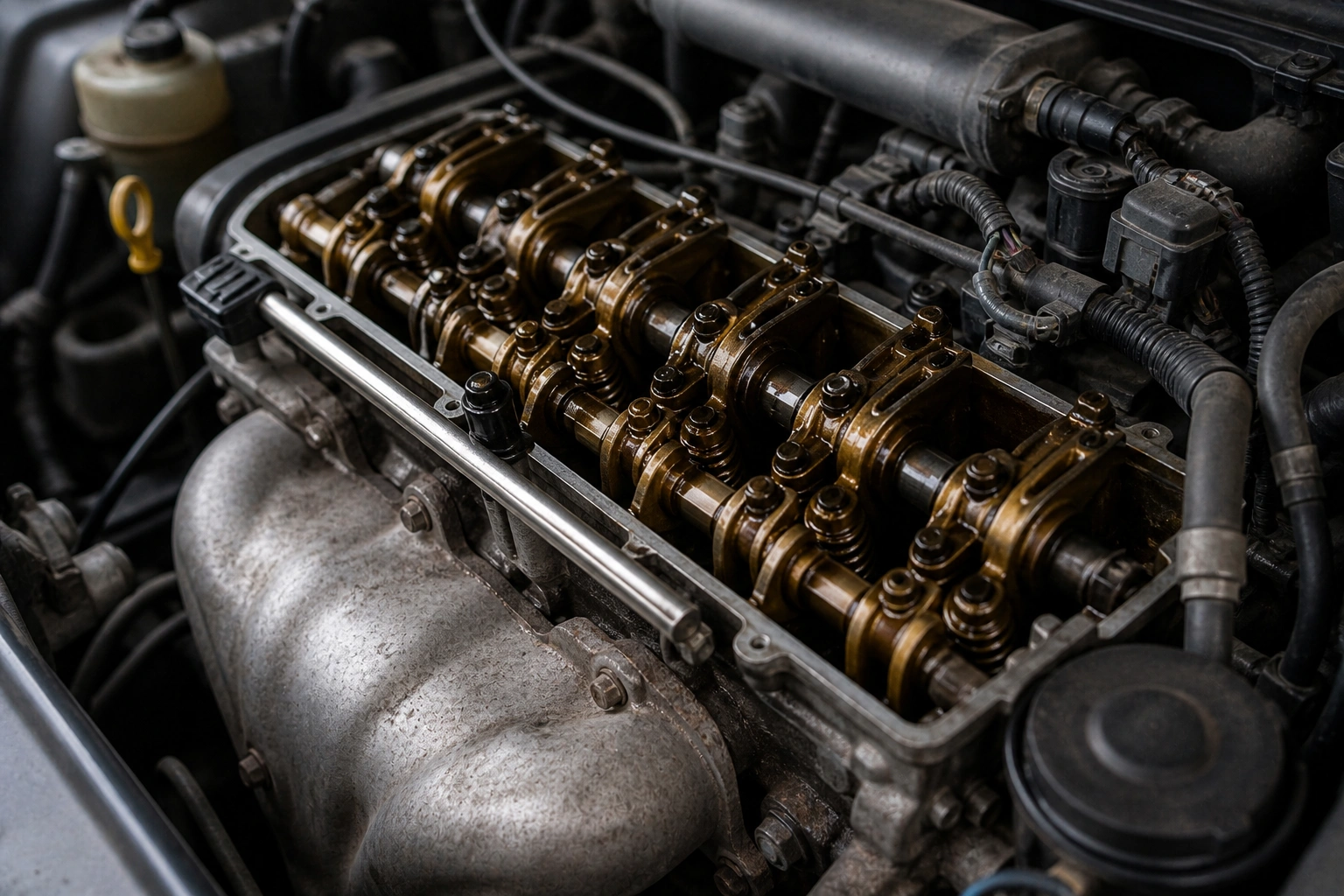
The valve train is one of the most common sources of ticking noise. It includes parts such as lifters, camshafts, and valves, all working together to control airflow into and out of the engine. These components operate at high speed and require proper lubrication to function smoothly.
When lubrication is insufficient or components begin to wear, a ticking sound can develop. Hydraulic lifters, in particular, rely on oil pressure to maintain proper clearance. If oil flow is restricted or pressure drops, they may produce a ticking noise.
This sound is often more noticeable at idle because engine speed is lower, making individual movements easier to hear. As speed increases, the noise may blend into the overall engine sound.
Maintaining proper oil levels and quality helps keep these components operating quietly.
Low Engine Oil Or Poor Oil Quality
Engine oil plays a critical role in reducing friction and preventing metal-to-metal contact. When oil levels are low or the oil has degraded, it may not provide adequate lubrication.
This can cause components such as lifters and camshafts to produce a ticking noise. The sound may become louder over time as wear increases.
Old or contaminated oil can also affect performance by reducing its ability to flow properly. This leads to inconsistent lubrication and increased noise.
Regular oil changes and maintaining the correct oil level help prevent these issues.
Fuel Injector Operation Sounds
Fuel injectors can produce a ticking sound as part of their normal operation. These components open and close rapidly to deliver fuel into the engine. This action creates a rhythmic clicking or ticking noise.
This type of sound is usually consistent and does not indicate a problem. It is often more noticeable at idle when other engine noises are minimal.
However, if the sound becomes unusually loud or irregular, it may indicate a problem with the injector.
Recognizing normal injector noise helps avoid unnecessary concern.
Common Problems Linked To Ticking Noise
Worn Valve Lifters And Rocker Arms
Valve lifters and rocker arms are subject to constant movement and stress. Over time, they can wear out, leading to increased clearance and a ticking noise.
This wear may not immediately affect performance, but it can worsen if left unaddressed. The noise may be more pronounced during cold starts and may reduce as the engine warms up.
Replacing worn components restores proper operation and reduces noise. Regular maintenance helps extend their lifespan.
Addressing this issue early prevents further damage to the valve train.
Exhaust Leaks Near Engine
An exhaust leak near the engine can also produce a ticking sound. This occurs when exhaust gases escape through a small gap or crack in the system.
The sound may resemble a ticking or tapping noise and is often more noticeable at idle. As engine speed increases, the noise may become less distinct.
Exhaust leaks can affect performance and emissions, making it important to address them promptly.
Inspecting the exhaust system helps identify and fix leaks.
Loose Or Worn Engine Components
Loose or worn components within the engine can create ticking noises. This may include bolts, brackets, or internal parts that have developed play over time.
The noise may vary depending on engine speed and load. Identifying the source requires careful inspection.
Tightening or replacing affected components resolves the issue and prevents further damage.
Maintaining proper assembly ensures quiet and reliable operation.
When Engine Ticking Noise Is Serious
Noise That Gets Louder Over Time
A ticking noise that becomes louder over time often indicates a developing problem. This may be due to increasing wear or worsening lubrication issues.
Ignoring the noise can lead to more serious damage, affecting engine performance and reliability.
Monitoring changes in sound helps determine the urgency of the situation.
Early action prevents costly repairs.
Ticking Combined With Performance Issues
If the ticking noise is accompanied by reduced performance, rough idle, or loss of power, it may indicate a more serious issue. This combination suggests that the problem is affecting engine operation.
Possible causes include valve train damage, fuel system issues, or internal wear.
Addressing these symptoms promptly ensures that the engine continues to operate properly.
Ignoring them can lead to further complications.
Persistent Noise After Warm Up
Some ticking noises are more noticeable when the engine is cold and may disappear as it warms up. However, if the noise persists even after the engine reaches normal temperature, it may indicate a deeper issue.
This could be related to worn components or insufficient lubrication.
Consistent noise requires inspection to identify the cause.
Taking action ensures long-term reliability.
Quick Diagnosis Table For Engine Ticking Noise
| Symptom | Possible Cause | Recommended Action |
| Light Ticking At Idle | Fuel Injectors | Normal Operation |
| Loud Ticking Cold Engine | Valve Lifters | Check Oil And Components |
| Ticking With Low Oil Level | Poor Lubrication | Refill Or Change Oil |
| Ticking Near Exhaust Area | Exhaust Leak | Inspect And Repair |
| Increasing Noise Over Time | Component Wear | Professional Inspection |
How To Fix Engine Ticking Noise
Checking And Replacing Engine Oil
The first step in addressing ticking noise is checking the engine oil level and condition. Low or dirty oil can cause insufficient lubrication, leading to noise.
Refilling or replacing the oil often resolves minor issues. Using the correct oil type ensures proper flow and protection.
Regular oil maintenance helps prevent recurring problems.
This simple step can make a significant difference.
Inspecting Valve Train Components
If the noise persists, inspecting valve train components is necessary. This includes checking lifters, rocker arms, and camshafts for wear or damage.
Replacing worn parts restores proper operation and reduces noise. This process may require professional assistance.
Accurate inspection ensures that the correct components are addressed.
Proper repair improves engine performance.
Addressing Exhaust And External Issues
Checking for exhaust leaks and loose components helps identify external causes of ticking noise. Repairing leaks or tightening parts resolves the issue.
This step ensures that all possible sources are considered.
Comprehensive inspection improves accuracy.
Fixing external issues restores quiet operation.
Summary
A ticking noise at idle can range from normal operation to a sign of wear or damage. Identifying the source requires careful observation and systematic inspection. Addressing simple issues such as oil levels early can prevent more serious problems.
Monitoring changes in sound and performance helps determine the severity of the issue. Taking action at the right time ensures that the engine remains reliable and efficient.
Consistent maintenance and attention to detail keep the engine running smoothly and reduce the risk of unexpected issues.
Frequently Asked Questions?
Is Engine Ticking Noise Normal At Idle?
Some ticking, such as fuel injector noise, is normal, but loud or persistent noise may indicate a problem.
Can Low Oil Cause Ticking Noise?
Yes, insufficient lubrication can cause components to produce ticking sounds.
Does Ticking Noise Mean Engine Damage?
Not always, but it can indicate wear or developing issues.
Should I Drive With Ticking Noise?
It depends on the cause, but it is best to inspect the issue early.
How Much Does It Cost To Fix Ticking Noise?
Costs vary depending on the cause, ranging from minor oil changes to major repairs.