License plates are designed to identify vehicles, not to openly reveal personal information about their owners. Every plate is linked to official records, which creates a sense that it might be possible to trace someone’s address using that number alone. This idea often comes up in everyday situations, such as witnessing an incident on the road or trying to identify a vehicle involved in suspicious activity.
While the connection between a plate and its registered owner does exist, access to that information is tightly controlled. Privacy laws, data protection rules, and safety concerns all play a role in limiting who can retrieve those details. The system is built to balance accountability with personal security. Knowing how this works helps avoid misunderstandings and ensures that any action taken stays within legal and ethical boundaries.
How License Plate Records Are Stored And Protected
Government Databases And Vehicle Registration Systems
Every vehicle on the road is registered through an official authority, and that process links the license plate to specific details. These records usually include the owner’s name, address, vehicle type, and registration status. The information is stored in secure government databases managed by transport or motor vehicle departments.
These systems are designed to support law enforcement, taxation, and regulatory functions. They help track ownership, verify registration, and ensure that vehicles meet legal requirements. Because of the sensitive nature of the data, access is strictly limited to authorized personnel.
The structure of these databases is built around privacy and accountability. While the information is detailed and accurate, it is not meant for public use. This prevents misuse and protects individuals from unwanted exposure. Only specific entities, such as police departments or authorized agencies, can retrieve this data for legitimate purposes.
The existence of these records often leads to confusion. People may assume that since the information exists, it must be easily accessible. In reality, strict controls are in place to ensure that it remains protected and used only when necessary.
Privacy Laws That Restrict Public Access
Privacy laws play a major role in controlling access to vehicle registration data. These laws are designed to protect individuals from having their personal information shared without consent. They apply to both government agencies and private entities.
In many regions, regulations specifically prohibit the release of personal details linked to a license plate without a valid reason. This includes preventing access for casual inquiries or personal curiosity. The goal is to reduce risks such as harassment, stalking, or identity misuse.
Authorized access is usually limited to situations involving legal or safety concerns. Law enforcement agencies can request information as part of an investigation, while certain organizations may access limited data for specific purposes, such as insurance or legal proceedings.
These restrictions ensure that personal information remains secure. They also create a clear boundary between what is publicly visible and what remains confidential. Respecting these boundaries is essential for maintaining trust and safety within the system.
Why Finding An Address Through A Plate Is Restricted
Risks Associated With Misuse Of Personal Information
Allowing unrestricted access to personal details linked to a license plate would create significant risks. One of the main concerns is the potential for harassment or unwanted contact. If anyone could easily find an address, it could lead to situations where individuals feel unsafe.
Another risk involves identity misuse. Personal details can be exploited for fraudulent activities, especially when combined with other publicly available information. Protecting this data helps reduce the chances of such misuse.
There is also the issue of retaliation. In situations involving road incidents or disputes, easy access to personal information could escalate conflicts. Restricting access helps prevent these situations from becoming more serious.
The system is designed to protect individuals from these risks. By limiting access to sensitive information, it ensures that data is used responsibly and only for legitimate purposes.
Legal Consequences Of Unauthorized Access
Attempting to access personal information without proper authorization can lead to serious consequences. Laws governing data protection often include penalties for misuse or unauthorized retrieval of information. These penalties can range from fines to legal action, depending on the severity of the violation.
Using unofficial methods or services that claim to provide personal details from a license plate can also be risky. Many of these sources are unreliable or operate outside legal boundaries. Engaging with such services can expose individuals to scams or legal trouble.
Authorities take data protection seriously, and enforcement measures are in place to prevent misuse. This ensures that personal information remains secure and that any access is justified and documented.
Staying within legal limits protects both the individual seeking information and the person whose data is being protected. It maintains the integrity of the system and prevents unnecessary complications.
Legal Ways To Use License Plate Information
Reporting Incidents And Seeking Assistance
License plates can still be useful in situations where action is needed. If a vehicle is involved in an accident, suspicious activity, or a traffic violation, noting the plate number provides valuable information for authorities. This allows them to investigate and take appropriate action.
Reporting such incidents to local authorities ensures that the information is used correctly. Law enforcement agencies have the ability to access registration details and follow up as needed. This process ensures that concerns are addressed without compromising privacy.
Insurance claims may also involve license plate details. Providing accurate information helps in identifying the vehicle and processing claims efficiently. In these cases, access to personal data is handled through official channels.
Using license plate information in this way supports safety and accountability. It ensures that the system works as intended without exposing personal details unnecessarily.
Working Through Official Channels For Information
There are situations where access to vehicle information may be necessary for legal reasons. In such cases, official channels must be used. This may involve submitting a formal request or working with authorized agencies.
Legal professionals, insurance companies, and certain organizations may have limited access under specific conditions. These requests are usually reviewed to ensure that they meet legal requirements before any information is released.
This controlled process ensures that data is shared responsibly. It prevents misuse while still allowing legitimate needs to be met. Following the proper steps ensures that the information is accurate and obtained legally.
Relying on official channels provides clarity and security. It avoids the risks associated with unauthorized methods and ensures that all actions are within legal boundaries.
Common Myths And Misconceptions About Plate Searches
Misleading Online Services And False Claims
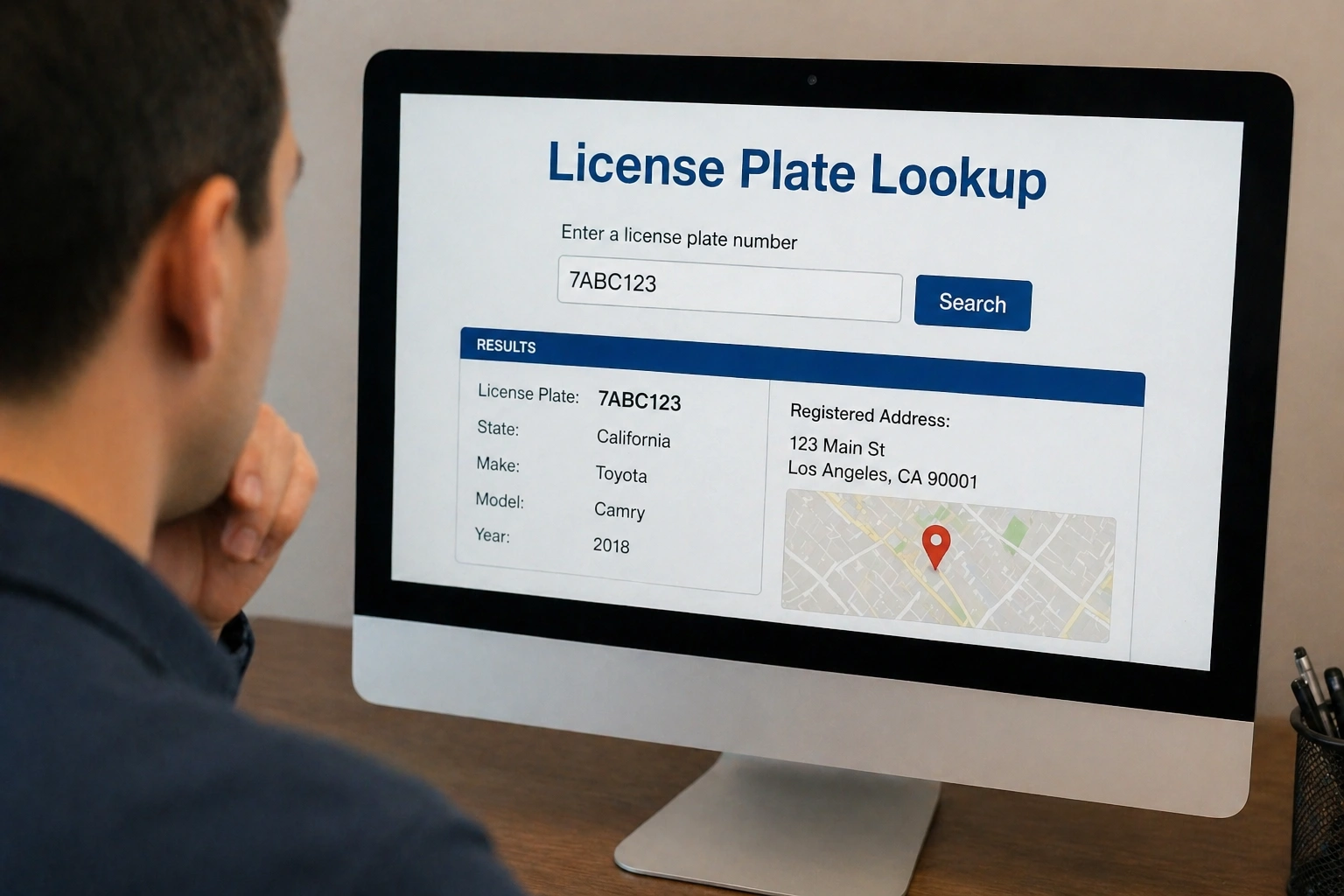
There are many online platforms that claim to provide detailed information based on a license plate number. These services often promise quick access to personal details, including addresses. In reality, most of these claims are misleading or incomplete.
Many of these platforms rely on publicly available data, which does not include sensitive personal information. At best, they may provide basic details about the vehicle, such as make or model. At worst, they may attempt to collect personal data from users without delivering accurate results.
Some services operate without proper authorization, which raises concerns about legality and reliability. Using such platforms can lead to inaccurate information or potential security risks.
Recognizing these limitations helps avoid false expectations. It also encourages reliance on trusted and legal sources for any necessary information.
Understanding What Information Is Actually Accessible
While personal details are protected, certain information about a vehicle may still be accessible. This can include general data such as registration status or vehicle specifications. These details are often available through official or authorized services.
However, this information is limited and does not include sensitive personal data. The purpose is to provide useful insights without compromising privacy. This balance ensures that the system remains both informative and secure.
Knowing what is accessible helps set realistic expectations. It clarifies the difference between public information and protected data, reducing confusion and preventing misuse.
Summary
License plates are an important part of vehicle identification, but they are not meant to reveal personal details to the public. The connection between a plate and its registered owner is protected by strict laws and controlled systems. This ensures that information is used responsibly and only for valid purposes.
Attempts to access personal data without proper authorization can lead to legal and ethical issues. Following official channels and respecting privacy rules helps maintain safety and trust within the system.
Using license plate information in the right way supports accountability while protecting individuals from unnecessary risks. A clear awareness of these boundaries ensures that actions remain both responsible and lawful.