Air conditioning systems in cars are designed to maintain a precise balance between high and low pressure zones. This balance allows refrigerant to circulate properly, absorb heat, and deliver cool air inside the cabin.
When that balance is disturbed, performance drops quickly. One of the more confusing situations is when pressure on the low side becomes unusually high. It goes against what most people expect and often points to an underlying issue within the system.
This condition does not just affect cooling performance. It can also place extra strain on components such as the compressor and hoses. Ignoring it may lead to further damage and costly repairs.
A clear look at how the system works, why pressure changes happen, and how to address them can help restore proper function and prevent long-term problems.
How Car AC Pressure System Works
Difference Between High Side And Low Side Pressure
An automotive air conditioning system operates using two main pressure zones. The high side carries refrigerant in a compressed and heated state, while the low side carries it in a cooler, lower-pressure state. These two zones are connected through a continuous cycle that allows heat to be absorbed from inside the vehicle and released outside.
The compressor plays a central role by compressing refrigerant and pushing it into the high-pressure side. From there, the refrigerant moves through the condenser, where heat is released. It then passes through an expansion device, which reduces pressure and temperature before entering the evaporator.
The low side is where the refrigerant absorbs heat from the cabin. This process cools the air that is blown inside. After absorbing heat, the refrigerant returns to the compressor, and the cycle repeats.
Maintaining a clear difference between these two pressure zones is essential. When the low side pressure rises too high, it indicates that the system is not functioning as intended. This imbalance disrupts the cooling process and reduces efficiency.
Role Of Refrigerant Flow And System Balance
Refrigerant flow is the key to maintaining proper pressure levels. It must move smoothly through each component without restriction. Any disruption in flow can affect pressure distribution and lead to irregular readings.
The expansion device is responsible for controlling how much refrigerant enters the low-pressure side. It ensures that the correct amount flows into the evaporator. If this control is lost, pressure levels can become uneven.
The system also relies on proper sealing and correct refrigerant quantity. Too much or too little refrigerant can alter pressure behavior. Each component must work together to maintain balance.
When everything operates correctly, the system maintains a stable pressure difference. This balance allows efficient cooling and prevents unnecessary strain on parts. Any deviation from this balance signals a problem that needs attention.
Causes Of High Pressure On The Low Side
Overcharged Refrigerant And Incorrect Levels
One of the most common causes of high pressure on the low side is excess refrigerant. When too much refrigerant is added, the system becomes overloaded. This prevents proper expansion and reduces the difference between high and low pressure zones.
An overcharged system can lead to poor cooling performance. Instead of circulating efficiently, the refrigerant may remain in a partially compressed state. This increases pressure where it should normally be lower.
Incorrect refrigerant levels can also result from improper servicing. Without accurate measurement, it is easy to add more than required. This disrupts the balance and affects the entire system.
Maintaining the correct amount of refrigerant is essential. It ensures that pressure levels remain within the expected range and supports efficient operation.
Faulty Expansion Valve Or Orifice Tube Issues
The expansion device plays a crucial role in regulating pressure. When it fails or becomes restricted, it can cause abnormal pressure levels on the low side. A malfunctioning valve may allow too much refrigerant to pass through, increasing pressure where it should be reduced.
Blockages within the expansion device can also create problems. Debris or contamination can restrict flow, preventing proper pressure drop. This leads to uneven distribution and reduced cooling efficiency.
In some cases, the valve may remain partially open or closed, disrupting the balance. This inconsistency affects how refrigerant moves through the system and leads to irregular pressure readings.
Inspecting and replacing faulty components helps restore proper flow. It ensures that the system maintains the correct pressure difference and operates efficiently.
Weak Compressor Or Internal Wear
The compressor is responsible for maintaining pressure differences within the system. When it becomes weak or worn, it may fail to create sufficient compression. This can result in higher pressure on the low side and lower pressure on the high side.
Internal wear reduces the compressor’s ability to pump refrigerant effectively. This affects the entire cycle and leads to uneven pressure distribution. The system may still run, but performance will be compromised.
A failing compressor may also produce unusual noises or struggle to maintain consistent operation. These signs often accompany pressure-related issues.
Replacing or repairing the compressor restores proper function. It ensures that the system can maintain the necessary pressure difference for efficient cooling.
Symptoms That Indicate This Problem
Reduced Cooling Performance And Warm Air
One of the first signs of high pressure on the low side is reduced cooling performance. The air coming from the vents may feel warmer than expected, even when the system is set to maximum cooling.
This happens because the refrigerant is not expanding properly. Without the correct pressure drop, it cannot absorb heat effectively. As a result, the cooling process becomes less efficient.
The change in temperature may be gradual at first. Over time, it becomes more noticeable, especially during hot weather. This makes the issue easier to identify.
Addressing the underlying cause helps restore proper cooling. It ensures that the system can deliver the expected temperature consistently.
Unusual Pressure Readings And System Behavior
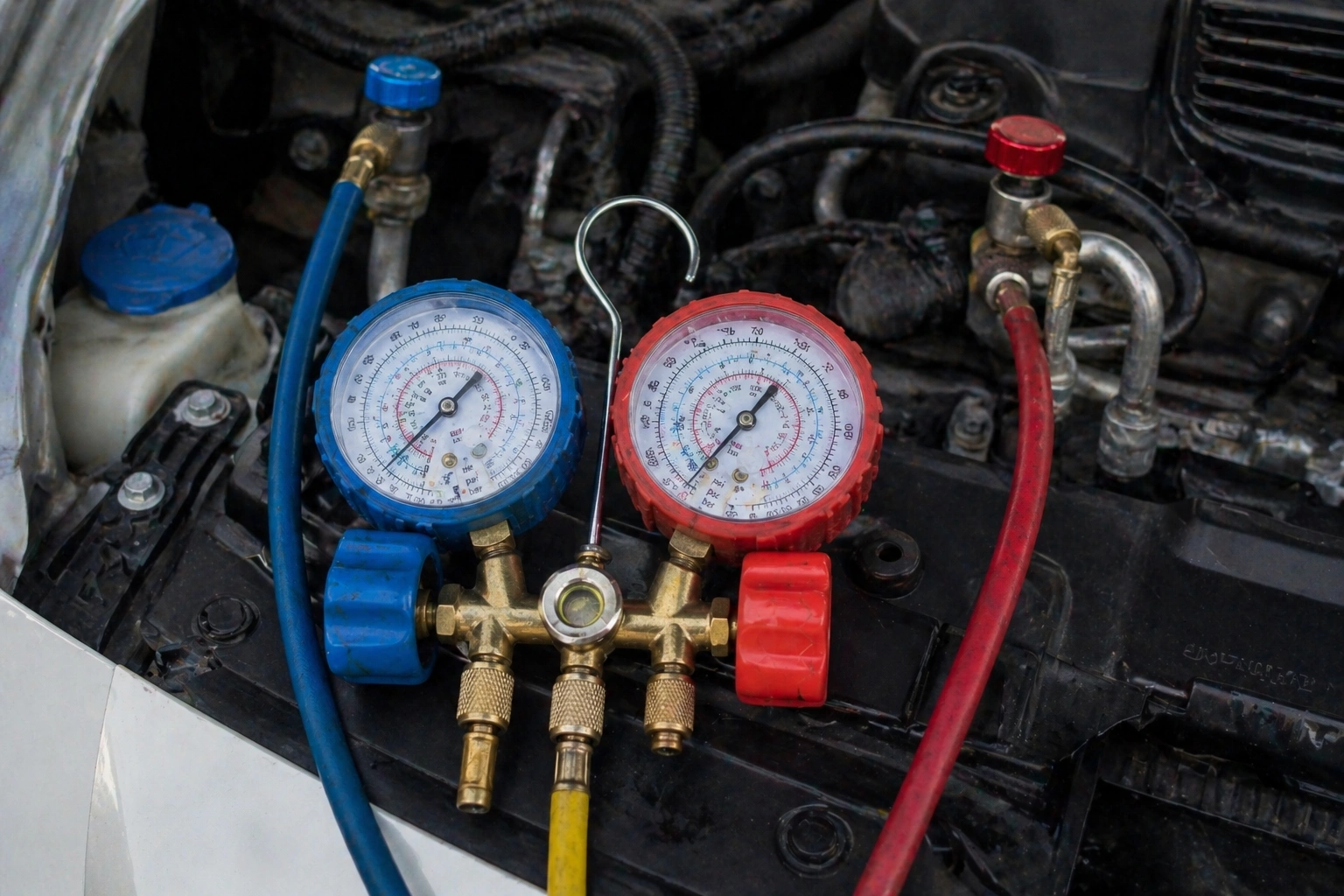
Pressure readings provide valuable insight into the condition of the system. When the low side shows higher than normal pressure, it indicates an imbalance. This often points to issues with refrigerant flow or component performance.
The system may also behave unpredictably. The compressor may cycle more frequently or run continuously without achieving the desired cooling. These patterns suggest that the system is struggling to maintain balance.
In some cases, warning signs such as unusual sounds or vibrations may appear. These symptoms often accompany pressure-related issues and should not be ignored.
Monitoring pressure readings and system behavior helps identify problems early. It allows for timely intervention and prevents further damage.
How To Diagnose And Fix The Issue
Step By Step Inspection Process
Diagnosing the problem begins with checking pressure levels using the appropriate tools. Comparing readings from both high and low sides helps identify imbalances. This provides a starting point for further investigation.
Next, inspecting the refrigerant level is important. Ensuring that the system is not overcharged helps eliminate one of the most common causes. If necessary, excess refrigerant should be removed carefully.
Examining components such as the expansion device and compressor provides additional insight. Checking for blockages, wear, or malfunction helps pinpoint the issue. Visual inspection and performance testing both play a role.
Following a structured approach ensures that no aspect is overlooked. It leads to accurate diagnosis and effective repair.
Repair Solutions And Preventive Measures
Once the cause is identified, applying the correct solution is essential. Adjusting refrigerant levels restores balance and improves performance. Replacing faulty components such as expansion valves or compressors ensures proper operation.
Cleaning the system can also help remove contaminants that may cause blockages. This improves flow and supports consistent pressure levels. Regular maintenance prevents buildup and reduces the risk of future issues.
Using the correct type and amount of refrigerant is important for long-term reliability. Following manufacturer recommendations ensures compatibility and efficiency.
Preventive care keeps the system functioning smoothly. It reduces the likelihood of pressure imbalances and supports consistent cooling performance.
Summary
High pressure on the low side of an air conditioning system is a clear sign that something is not working as it should. It often points to issues with refrigerant levels, component performance, or system balance. Identifying the cause early helps prevent further complications.
A well-maintained system relies on proper pressure distribution to deliver effective cooling. Each component plays a role in maintaining this balance. When one part fails, the entire system is affected.
Taking a careful approach to diagnosis and repair ensures that the problem is resolved بالكامل. It restores efficiency, improves cooling, and extends the life of the system.