The Nissan Rogue has earned popularity for its comfort, fuel efficiency, and everyday practicality. Along with these strengths, many owners have also reported transmission-related concerns, especially in models equipped with a continuously variable transmission. Unlike traditional automatic gearboxes, this system uses a belt and pulley setup to deliver smooth power without fixed gear changes.
While this design offers efficiency and a seamless feel during normal operation, it can develop issues over time if not maintained properly. Some drivers notice hesitation, unusual noises, or even overheating warnings. These symptoms often appear gradually and can become more serious if ignored.
A clear understanding of how this transmission works, the common problems that occur, and the available solutions helps in managing the vehicle more effectively. Identifying early signs and taking timely action can prevent costly repairs and keep the vehicle running reliably for years.
How Nissan Rogue Transmission Works
Basics Of CVT Transmission System
The Nissan Rogue uses a continuously variable transmission, commonly known as CVT. This system differs from traditional gear-based transmissions by using a belt and pulley mechanism instead of fixed gears.
The pulleys adjust their size continuously, allowing the engine to operate at the most efficient speed. This creates a smooth and consistent flow of power without noticeable gear shifts.
The design improves fuel efficiency and reduces mechanical complexity in some areas. However, it relies heavily on proper lubrication and precise control.
Because of its unique structure, the CVT requires careful maintenance to function correctly.
Why CVT Is Used In Rogue
Manufacturers use CVT systems to improve fuel economy and provide a smoother driving experience. In the Nissan Rogue, this transmission helps deliver consistent acceleration and better efficiency compared to traditional automatics.
The absence of gear shifts reduces engine strain and allows for more precise power delivery. This makes it suitable for daily driving and urban conditions.
However, the system is more sensitive to heat and fluid condition. This sensitivity can lead to issues if maintenance is neglected.
Understanding its purpose helps explain both its benefits and limitations.
Key Components That Affect Performance
The CVT system includes several critical components such as the belt, pulleys, transmission fluid, and control module. Each part plays a role in maintaining smooth operation.
The belt transfers power between pulleys, while the fluid ensures proper lubrication and cooling. The control module manages adjustments based on driving conditions.
If any of these components fail or degrade, the transmission may not perform as expected.
Maintaining these parts is essential for long-term reliability.
Common Nissan Rogue Transmission Problems
Transmission Slipping And Hesitation
One of the most reported issues is slipping or hesitation during acceleration. The vehicle may feel slow to respond when the accelerator is pressed, or it may struggle to maintain consistent speed.
This problem often occurs due to worn internal components or degraded transmission fluid. The CVT relies on precise pressure and lubrication, and any disruption can affect performance.
Drivers may notice a delay before the vehicle begins to move or a sudden change in speed. These symptoms indicate that the transmission is not functioning smoothly.
Addressing this issue early helps prevent further damage.
Overheating And Warning Messages
Overheating is another common concern in the Nissan Rogue. The CVT system generates heat during operation, and excessive heat can lead to performance issues.
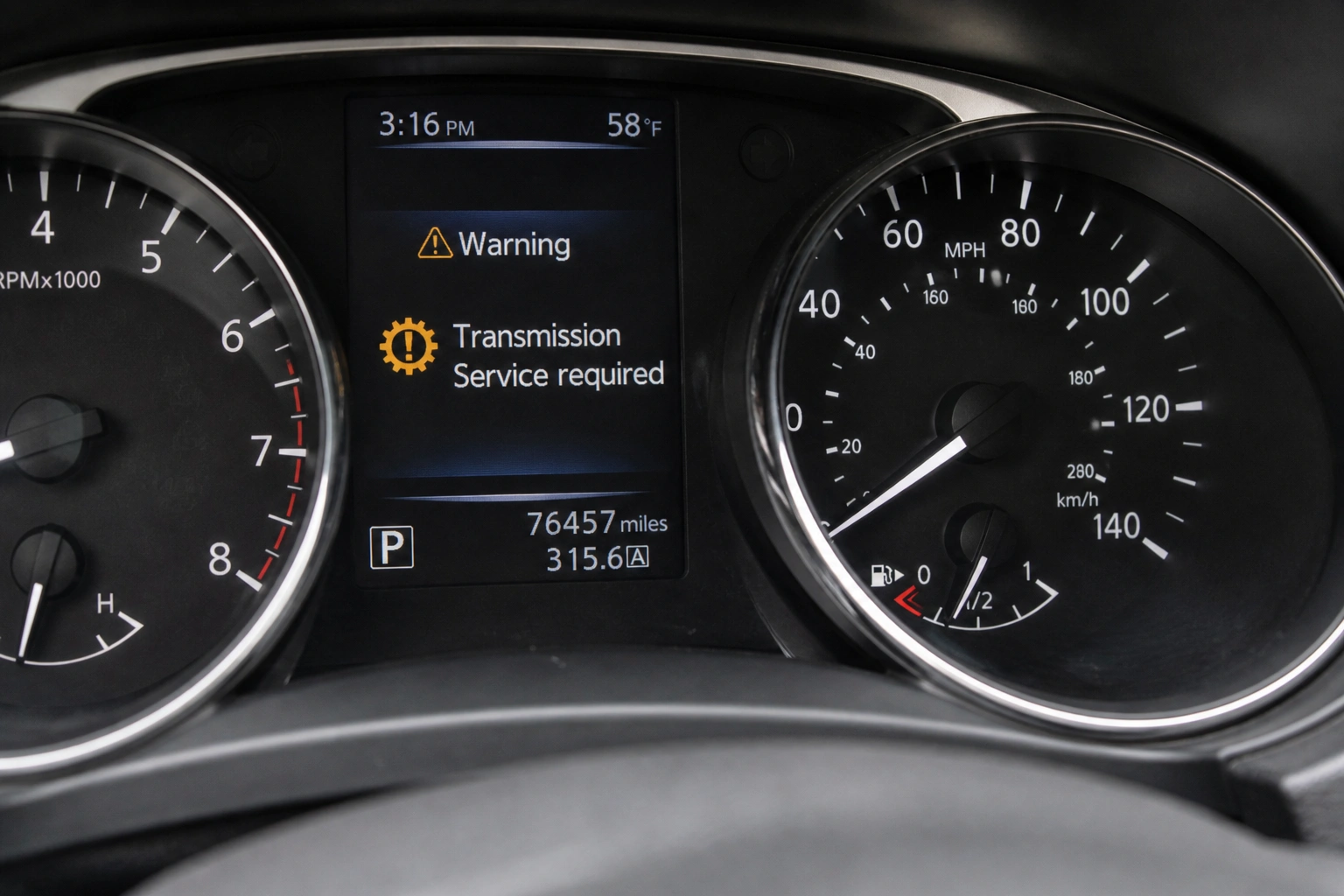
When the transmission overheats, warning messages may appear on the dashboard. The vehicle may enter a protective mode that limits power to prevent damage.
This condition can be caused by heavy use, poor fluid condition, or cooling system issues. Repeated overheating can reduce the lifespan of the transmission.
Proper maintenance helps keep temperatures under control.
Jerking And Unusual Noises
Jerking or shuddering during acceleration is a sign of transmission trouble. This may be accompanied by unusual noises such as whining or grinding.
These symptoms often indicate internal wear or problems with the belt and pulleys. The smooth operation expected from a CVT becomes disrupted.
Ignoring these signs can lead to more serious issues, including complete failure.
Timely inspection helps identify the cause and prevent escalation.
Signs Of Transmission Failure In Rogue
Delayed Acceleration Response
Delayed acceleration is a clear indicator of transmission problems. The vehicle may hesitate before responding to input, making it difficult to drive smoothly.
This issue can occur due to pressure loss or worn components within the CVT. It affects performance and can reduce confidence while driving.
Consistent delays suggest that the transmission requires attention.
Addressing the problem early improves reliability.
Fluid Issues And Burning Smell
Transmission fluid plays a vital role in lubrication and cooling. If the fluid becomes dirty or degraded, it can affect performance.
A burning smell may indicate overheating or fluid breakdown. Dark or contaminated fluid is another sign of trouble.
Checking and replacing fluid regularly helps maintain proper operation.
Ignoring fluid issues can lead to serious damage.
Dashboard Warning Indicators
Warning lights or messages related to the transmission should not be ignored. These indicators signal that the system has detected a problem.
The vehicle may also enter a reduced power mode to protect the transmission. This limits performance but prevents further damage.
Using diagnostic tools helps identify the cause of the warning.
Prompt action ensures better outcomes.
Transmission Problems And Solutions Table
| Problem Type | Possible Cause | Recommended Solution |
| Slipping | Worn Belt Or Low Fluid | Fluid Change Or Repair |
| Overheating | Poor Cooling Or Old Fluid | Check Cooling System |
| Jerking | Internal Wear | Inspect And Replace Components |
| Delayed Response | Pressure Issue | Diagnostic Inspection |
| Warning Lights | Sensor Or System Fault | Scan And Repair |
How To Fix Nissan Rogue Transmission Issues
Regular Fluid Maintenance
Maintaining transmission fluid is one of the most important steps. Clean fluid ensures proper lubrication and cooling, which are critical for CVT performance.
Replacing fluid at recommended intervals prevents buildup and reduces wear. Using the correct type of fluid is essential for compatibility.
Regular maintenance helps extend the life of the transmission.
Consistency in care prevents many common issues.
Professional Diagnosis And Repair
When problems occur, professional diagnosis is often required. Technicians use specialized tools to identify faults within the system.
This may involve checking sensors, inspecting internal components, or testing pressure levels. Accurate diagnosis ensures that the correct repairs are made.
Complex issues may require component replacement or rebuilding.
Professional service provides reliable solutions.
Preventive Driving And Care Tips
Driving habits can influence transmission health. Avoiding aggressive acceleration and heavy loads reduces stress on the system.
Allowing the vehicle to warm up and avoiding excessive heat helps maintain performance. Regular checks and timely repairs prevent small issues from becoming major problems.
Careful use ensures long-term reliability.
Maintaining proper habits supports overall performance.
Transmission issues in the Nissan Rogue often develop gradually, with early signs such as hesitation, overheating, or unusual noise. Addressing these symptoms promptly helps prevent more serious damage. Regular maintenance, proper fluid care, and attention to warning signs play a key role in keeping the transmission reliable. With the right approach, many of these problems can be managed effectively, ensuring smoother operation and longer service life.
Frequently Asked Questions?
What Are Common Transmission Problems In Nissan Rogue?
Slipping, overheating, and jerking are among the most common issues.
Is CVT Transmission Reliable In Rogue?
It can be reliable with proper maintenance and care.
How Often Should Transmission Fluid Be Changed?
It depends on usage, but regular intervals help maintain performance.
Can Transmission Problems Be Fixed Easily?
Minor issues can be fixed, but major problems may require replacement.
What Causes Transmission Overheating?
Heavy use, poor fluid condition, or cooling issues are common causes.