A small component inside the engine plays a major role in how smoothly a vehicle runs. The spark plug is responsible for igniting the air and fuel mixture, creating the combustion that powers the engine. When it works correctly, the engine runs efficiently and starts without hesitation. When it begins to fail, performance changes quickly and becomes noticeable.
Spark plugs wear over time due to heat, pressure, and continuous use. Their condition often reflects what is happening inside the engine. By simply looking at a spark plug, it is possible to identify issues such as improper combustion, oil leaks, or overheating.
Recognizing the appearance of a bad spark plug helps detect problems early. It also prevents larger issues that can affect fuel efficiency, engine power, and reliability. A clear understanding of what to look for makes inspection easier and more effective.
What A Healthy Spark Plug Should Look Like
Normal Color And Condition
A healthy spark plug typically has a light brown or grayish color on the electrode and insulator tip. This indicates proper combustion and balanced air-fuel mixture. The surface should be clean, with minimal deposits and no signs of oil or excessive wear.
The electrode should maintain its shape, and the gap between the electrodes should be consistent. This ensures that the spark is strong and reliable.
A normal spark plug reflects a well-functioning engine. It shows that fuel is burning efficiently and that there are no major issues affecting combustion.
Regular inspection helps maintain this condition and ensures optimal performance.
Proper Electrode Shape And Gap
The electrode is the part of the spark plug that produces the spark. In a healthy plug, it remains sharp and well-defined. Over time, it may wear down, but it should not appear rounded or damaged.
The gap between the electrodes is critical for proper ignition. If the gap becomes too wide or too narrow, it can affect the strength of the spark.
Maintaining the correct gap ensures efficient combustion and smooth engine operation.
Checking the electrode condition helps determine whether the spark plug is still usable.
Why Appearance Matters For Engine Health
The appearance of a spark plug provides valuable insight into engine condition. It can reveal issues such as fuel imbalance, oil leaks, or overheating.
By examining the spark plug, it is possible to identify problems before they become serious. This makes it a useful diagnostic tool.
Regular inspection helps maintain engine performance and prevent unexpected issues.
Paying attention to appearance ensures better reliability.
Common Signs Of A Bad Spark Plug
Black Carbon Deposits On Tip
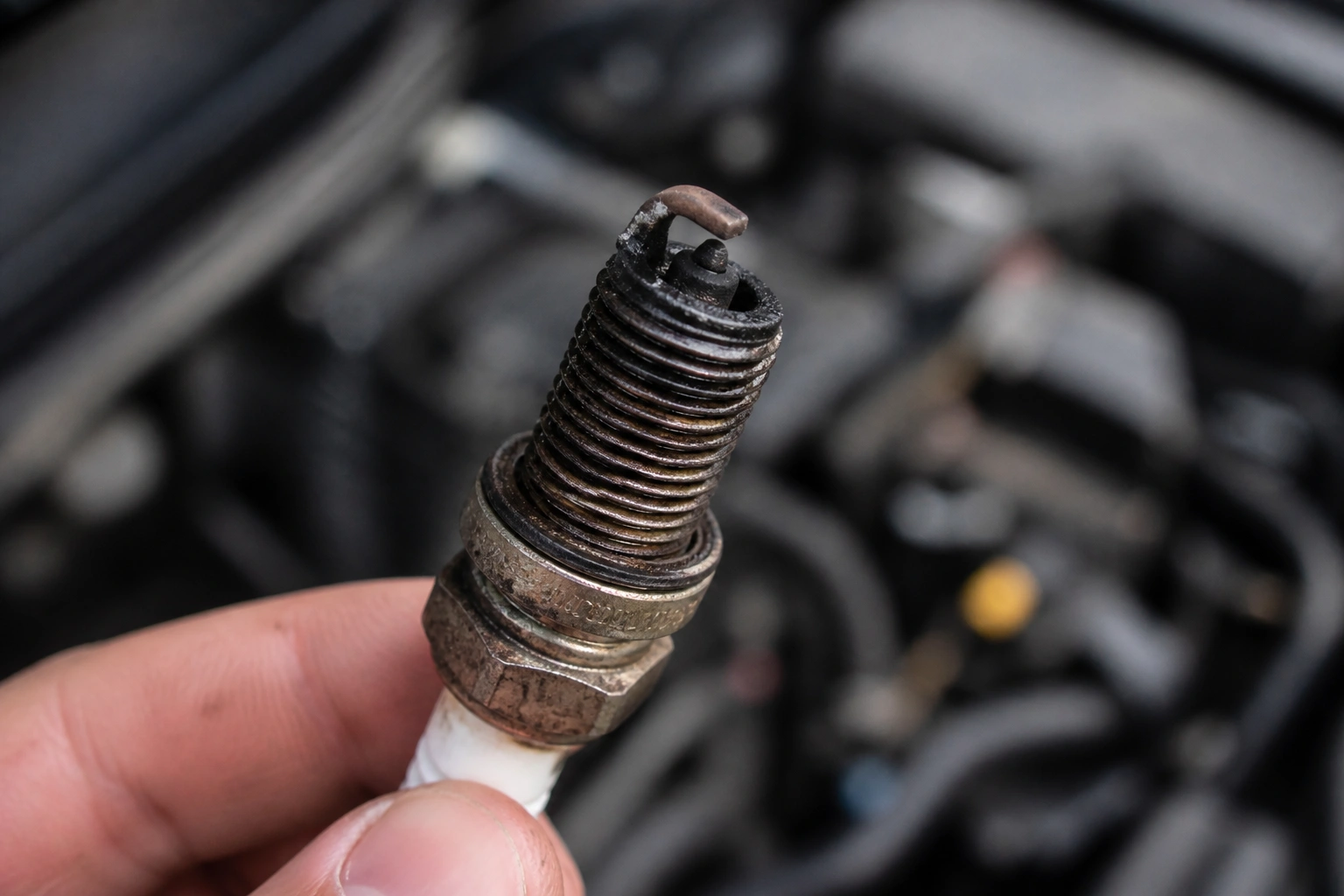
A spark plug covered in black carbon deposits indicates incomplete combustion. This often happens when the air-fuel mixture is too rich, meaning there is too much fuel and not enough air.
These deposits can build up on the electrode and insulator, reducing the effectiveness of the spark. This leads to poor engine performance and increased fuel consumption.
The engine may run rough or produce excessive exhaust smoke. Cleaning or replacing the spark plug resolves the issue.
Identifying carbon buildup helps correct fuel system problems.
Oil Fouling And Wet Appearance
Oil fouling occurs when oil enters the combustion chamber and coats the spark plug. This results in a wet, oily appearance on the tip.
This condition can be caused by worn piston rings, valve seals, or other internal engine issues. Oil fouling prevents the spark plug from functioning properly.
The engine may misfire or struggle to start. Replacing the spark plug and addressing the source of the oil leak is necessary.
Recognizing oil fouling helps identify deeper engine problems.
Burnt Or Overheated Plug Tip
An overheated spark plug may appear white or blistered. This indicates that the plug has been exposed to excessive heat, often due to a lean air-fuel mixture or improper timing.
Overheating can damage the electrode and reduce its lifespan. It may also lead to engine knocking or reduced performance.
Replacing the spark plug and correcting the underlying issue prevents further damage.
Monitoring heat-related changes ensures proper engine operation.
Different Types Of Spark Plug Damage
Worn Electrode And Increased Gap
Over time, the electrode wears down due to constant sparking. This increases the gap between the electrodes, making it harder for the spark to jump.
A worn electrode may appear rounded or uneven. This reduces ignition efficiency and can cause misfires.
Replacing the spark plug restores proper function and improves performance.
Regular replacement prevents this type of wear.
Ash Deposits And Residue Build Up
Ash deposits appear as light-colored residue on the spark plug. These deposits often come from additives in fuel or oil.
While small amounts may not cause immediate issues, excessive buildup can affect spark performance. It may also indicate oil consumption.
Cleaning or replacing the spark plug helps maintain efficiency.
Monitoring deposits provides insight into engine condition.
Cracked Insulator Or Physical Damage
Physical damage such as cracks in the insulator can prevent the spark plug from working properly. This damage may occur due to improper installation or excessive heat.
A cracked insulator can lead to misfires and poor engine performance. It may also cause electrical issues.
Replacing damaged spark plugs ensures reliable operation.
Proper handling prevents physical damage.
Spark Plug Condition Comparison Table
| Appearance Type | What It Means | Recommended Action |
| Light Brown/Gray | Normal Condition | No Action Needed |
| Black Carbon | Rich Fuel Mixture | Clean Or Replace Plug |
| Oily Wet Tip | Oil Leakage | Fix Leak And Replace Plug |
| White Or Blistered | Overheating | Adjust Engine Settings |
| Worn Electrode | Aging Plug | Replace Spark Plug |
How To Inspect And Replace Spark Plug
Step By Step Inspection Process
Inspecting a spark plug involves removing it from the engine and examining its condition. This requires basic tools and careful handling.
Once removed, the plug should be checked for color, deposits, and damage. Comparing it to a new plug helps identify wear.
This process provides valuable information about engine health.
Regular inspection helps maintain performance.
Cleaning Vs Replacement Decision
In some cases, spark plugs can be cleaned and reused. Removing deposits and adjusting the gap may restore function.
However, replacement is often the better option, especially for worn or damaged plugs. New spark plugs ensure reliable ignition and improved efficiency.
Choosing the right option depends on the condition of the plug.
Replacing worn plugs prevents recurring issues.
Choosing The Right Spark Plug
Selecting the correct spark plug is important for proper engine operation. Different engines require specific types and heat ranges.
Using the recommended plug ensures compatibility and performance. High-quality plugs offer better durability and efficiency.
Proper selection supports long-term reliability.
Following manufacturer guidelines ensures the best results.
Spark plugs provide a clear window into engine health. Their appearance reveals whether combustion is balanced or if underlying issues are present. Black deposits, oil fouling, or overheating signs should be addressed promptly to prevent further damage. Regular inspection and timely replacement keep the engine running efficiently and help avoid unexpected problems. Paying attention to these small details makes a significant difference in overall performance.
Frequently Asked Questions?
What Does A Bad Spark Plug Look Like?
It may appear black, oily, worn, or overheated depending on the issue.
Can A Bad Spark Plug Cause Misfire?
Yes, it can lead to engine misfires and poor performance.
How Often Should Spark Plugs Be Replaced?
It depends on the type, but typically every 30,000 to 100,000 miles.
Is It Safe To Drive With Bad Spark Plugs?
It is not recommended as it can affect performance and efficiency.
Can Cleaning Spark Plugs Fix The Problem?
Sometimes, but replacement is often the best solution.