Fuel quality plays a major role in how an engine performs, even though it often goes unnoticed. Clean, properly refined gasoline burns efficiently, delivering smooth power and consistent operation. When fuel quality drops due to contamination, age, or improper storage, the effect becomes visible through rough running, hesitation, and reduced efficiency. These problems can appear gradually or all at once, depending on how severe the issue is.
Bad fuel does not always mean the engine is damaged, but it does require attention. The right treatment can restore performance and prevent long-term complications. Many drivers turn to fuel additives as a quick solution, yet not all treatments are equal, and not every situation requires the same approach.
A clear understanding of what causes fuel to go bad, how treatment works, and when to take further action helps protect the engine. With the right steps, fuel-related issues can be resolved effectively while maintaining reliability over time.
What Causes Bad Fuel In Vehicles
Fuel Contamination And Water Presence
Fuel contamination is one of the most common reasons behind poor engine performance. Water entering the fuel tank is a major concern, often caused by condensation, poor storage conditions, or low-quality fuel sources. When water mixes with gasoline, it disrupts combustion and leads to uneven engine operation.
Even small amounts of water can cause hesitation during acceleration or difficulty starting the engine. Over time, it may also lead to corrosion in fuel system components. Dirt and debris can enter through damaged fuel caps or during refueling, further affecting fuel quality.
Contaminated fuel does not burn evenly, which leads to incomplete combustion. This reduces power and increases emissions. Addressing contamination quickly is essential to prevent further damage and restore normal operation.
Old Fuel And Oxidation Effects
Gasoline does not remain stable forever. Over time, it begins to break down through a process called oxidation. This is more common in vehicles that sit unused for long periods. As fuel ages, it loses its volatility and becomes less effective in combustion.
Old fuel can form deposits that clog fuel injectors and other components. These deposits restrict fuel flow and affect engine performance. The result is rough idling, reduced power, and increased fuel consumption.
In some cases, the fuel may develop a sour smell, indicating significant degradation. Using such fuel without treatment can lead to further complications. Refreshing or treating aged fuel helps restore its usability and prevents buildup in the system.
Low Quality Fuel And Additive Imbalance
Not all fuel sources maintain the same quality standards. Low-grade gasoline may contain impurities or lack proper additives required for clean combustion. This can lead to buildup inside the engine and fuel system.
Additives in fuel are designed to keep injectors clean and improve combustion efficiency. When these additives are insufficient, deposits form more quickly. Over time, this affects performance and increases maintenance requirements.
Using fuel from unreliable sources increases the risk of poor-quality gasoline. Choosing trusted fuel stations and maintaining a consistent refueling routine helps reduce these risks. When poor fuel quality is suspected, treatment becomes necessary to restore balance.
Signs Your Vehicle Has Bad Fuel
Engine Performance Issues And Misfiring
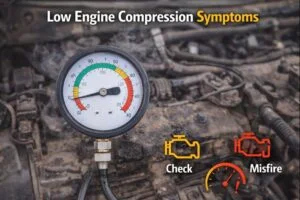
One of the earliest signs of bad fuel is a noticeable change in engine behavior. The vehicle may hesitate during acceleration or feel less responsive than usual. Misfiring can occur when the air-fuel mixture is not burning properly.
These symptoms are often more noticeable under load, such as during uphill driving or rapid acceleration. The engine may struggle to deliver consistent power, making the vehicle feel unstable.
In severe cases, the engine may stall or fail to start. These issues indicate that the fuel quality is affecting combustion significantly. Identifying these signs early allows for timely treatment and prevents further complications.
Rough Idling And Increased Fuel Consumption
Bad fuel often leads to rough idling, where the engine feels uneven or shaky while running. This happens because contaminated or degraded fuel does not burn smoothly.
Increased fuel consumption is another common symptom. The engine may require more fuel to produce the same level of power, leading to reduced efficiency. This can result in more frequent trips to the fuel station.
These changes may seem minor at first but can worsen over time. Addressing the issue promptly helps restore normal performance and prevents unnecessary fuel खर्च.
Warning Lights And Exhaust Changes
Modern vehicles are equipped with sensors that monitor engine performance. When fuel quality affects combustion, warning lights such as the check engine indicator may appear. These alerts signal that something is not functioning as expected.
Exhaust changes can also provide clues. A strong запах or unusual smoke may indicate incomplete combustion. This is often caused by impurities in the fuel.
Ignoring these signs can lead to further damage in the fuel system and engine components. Taking action at this stage ensures that the problem is resolved before it becomes more serious.
How Gas Treatment Works For Bad Fuel
Cleaning Fuel System Components
Gas treatment products are designed to clean various parts of the fuel system, including injectors, valves, and fuel lines. These components can accumulate deposits over time, especially when poor-quality fuel is used.
The cleaning agents in fuel additives break down these deposits, allowing them to be burned off during combustion. This improves fuel flow and restores proper spray patterns in injectors.
Cleaner injectors result in more efficient combustion, which enhances engine performance. Regular use of suitable treatment products helps maintain a clean fuel system and prevents buildup from recurring.
Stabilizing Fuel And Improving Combustion
Fuel stabilizers are another type of treatment that helps maintain fuel quality over time. They slow down the oxidation process, keeping gasoline usable for longer periods. This is particularly useful for vehicles that are not used frequently.
Stabilizers also help maintain the chemical balance of fuel, ensuring consistent combustion. This reduces the risk of deposits and improves overall efficiency.
By preserving fuel quality, stabilizers prevent many of the issues associated with aged gasoline. They are especially beneficial for seasonal vehicles or those stored for extended periods.
Removing Moisture And Preventing Corrosion
Some gas treatments are designed to address moisture in the fuel system. These products contain compounds that help absorb water and allow it to pass through the system safely.
Removing moisture reduces the risk of corrosion in fuel system components. It also prevents issues related to uneven combustion caused by water contamination.
Using the right treatment ensures that both fuel quality and system integrity are maintained. This approach helps protect the engine and extends the lifespan of critical components.
Step By Step Guide To Treat Bad Fuel
Choosing The Right Gas Treatment Product
Selecting the appropriate treatment depends on the specific issue. For cleaning deposits, injector cleaners are effective. For old fuel, stabilizers work best. If water contamination is suspected, moisture-removal products should be used.
Reading product labels and following manufacturer recommendations ensures proper usage. Using the wrong treatment may not address the issue effectively.
High-quality products from trusted brands provide better results and reduce the risk of side effects. Investing in the right treatment ensures that the problem is resolved efficiently.
Adding Treatment To Fuel Tank Properly
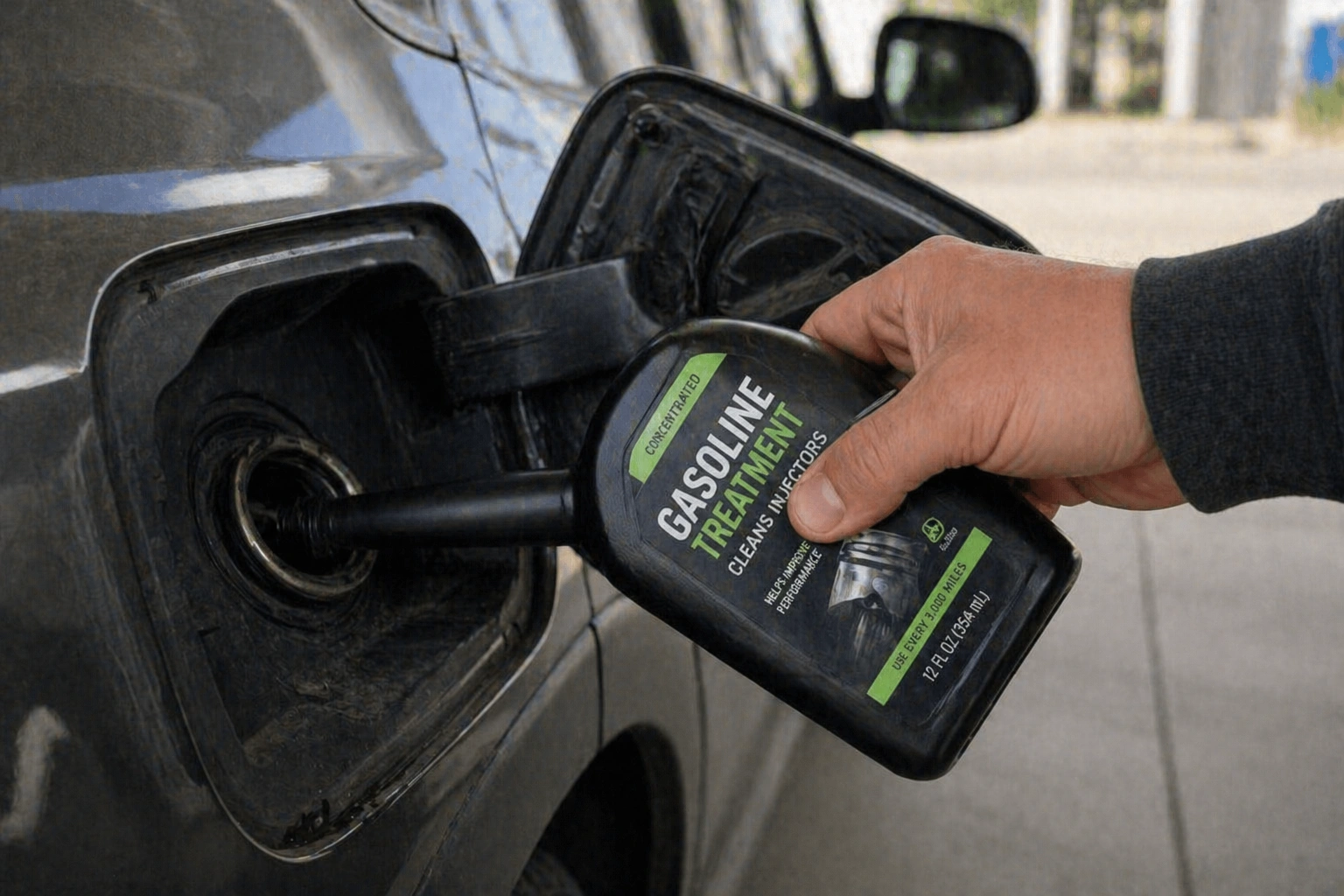
Adding gas treatment is a simple process, but it should be done carefully. The product is usually poured directly into the fuel tank before refueling. This allows it to mix evenly with the gasoline.
Following the recommended number is important. Overuse does not improve results and may affect performance. Using the correct amount ensures optimal effectiveness.
After adding the treatment, driving the vehicle helps circulate it through the system. This allows the cleaning agents or stabilizers to reach all components and perform their function.
When To Drain Fuel Instead Of Treating
In some cases, treatment alone may not be sufficient. If the fuel is heavily contaminated or significantly degraded, draining the tank may be necessary. This is especially true when water contamination is severe.
Draining removes the dirty fuel completely, allowing fresh gasoline to be added. This ensures that the system starts with clean fuel and prevents further issues.
Combining fuel replacement with treatment can provide the best results in severe cases. Knowing when to take this step helps avoid prolonged problems and ensures proper engine operation.
Preventing Bad Fuel Problems In Future
Using Quality Fuel And Trusted Sources
Preventing bad fuel starts with choosing reliable fuel stations. High-quality gasoline contains the necessary additives to maintain engine cleanliness and performance. Consistent refueling from trusted sources reduces the risk of contamination.
Avoiding low-grade fuel helps prevent deposit buildup and ensures smoother operation. Paying attention to fuel quality is a simple yet effective way to maintain engine health.
Maintaining a habit of refueling before the tank becomes too low also reduces the chance of drawing in impurities from the bottom of the tank.
Regular Maintenance And Fuel System Care
Routine maintenance plays a key role in preventing fuel-related issues. Replacing fuel filters at recommended intervals ensures that contaminants are removed before reaching the engine.
Periodic use of fuel system cleaners helps maintain cleanliness and prevents buildup. This proactive approach reduces the likelihood of performance issues.
Inspecting the fuel system for leaks or damage ensures that it remains in good condition. Addressing minor issues early prevents them from becoming major problems.
Proper Storage And Seasonal Vehicle Care
Vehicles that are not used regularly require special attention. Adding a fuel stabilizer before storage helps preserve fuel quality and prevents degradation.
Keeping the fuel tank partially full reduces the amount of air inside, minimizing condensation. This helps prevent water contamination.
Starting the vehicle periodically and allowing it to run ensures that the fuel system remains active. Proper storage practices help maintain reliability and prevent issues when the vehicle is used again.
Final Thoughts
Fuel quality has a direct impact on engine performance and reliability. Bad fuel can lead to a range of issues, from minor performance changes to more serious complications. The right treatment helps restore balance and ensures that the engine operates efficiently.
Choosing the correct approach based on the type of problem is essential. While additives can resolve many issues, severe cases may require fuel replacement and additional repairs.
Consistent care, proper fuel selection, and regular maintenance reduce the chances of encountering fuel-related problems. With the right practices, the fuel system remains clean, efficient, and dependable over time.