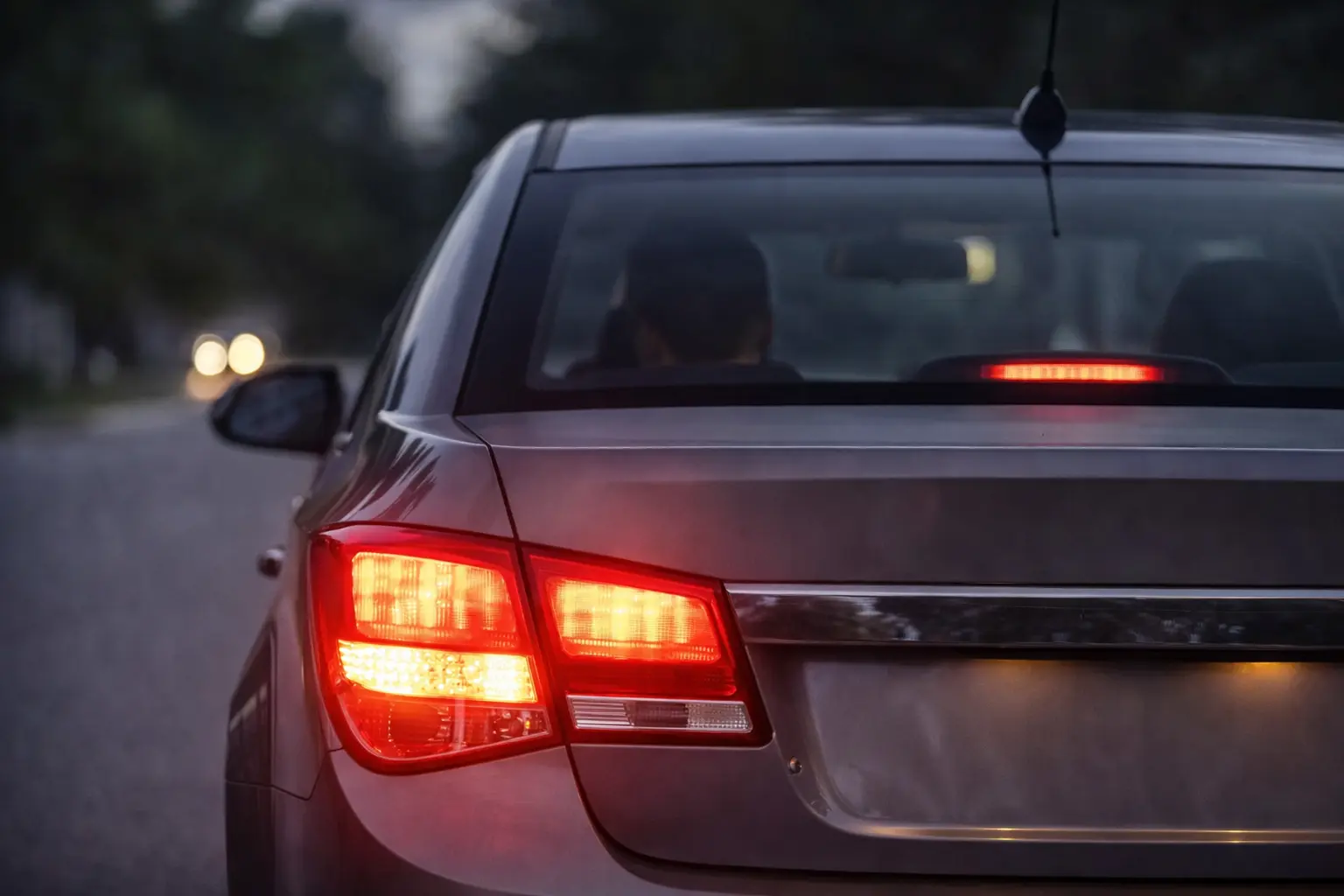
Brake lights are simple by design, yet when they refuse to turn off, the problem can feel surprisingly complex. These lights are meant to activate only when the brake pedal is pressed, alerting other drivers that the vehicle is slowing down.
When they stay on continuously, even with the car parked and the pedal untouched, something in the system is no longer behaving as intended. This situation is more than a minor inconvenience.
Constantly illuminated brake lights can drain the battery overnight, confuse drivers behind you, and even mask real braking signals when you are on the road. Many owners first notice the issue after returning to a dead battery or being told by someone that their brake lights are still glowing in daylight.
The causes range from simple mechanical adjustments to electrical faults. Some fixes take only minutes and cost very little, while others require careful diagnosis.
Knowing why brake lights stay on, how the system works, and what to check first helps resolve the issue quickly and prevents repeat problems.
How The Brake Light System Works
Understanding the basics of brake light operation makes troubleshooting far easier.
The Role Of The Brake Pedal Switch
At the heart of the system is the brake light switch. This small component is usually mounted near the brake pedal. When the pedal is pressed, the switch closes a circuit, sending power to the brake lights.
When the pedal is released, the switch should open the circuit, turning the lights off. If the switch fails to open, the lights remain on.
Electrical Path From Pedal To Lights
Power flows from the battery through a fuse, into the brake light switch, and then to the rear lamps.
Any interruption or unintended connection along this path can cause abnormal behavior, including lights staying on continuously.
Integration With Modern Vehicle Systems
In newer vehicles, the brake light switch also communicates with other systems such as cruise control, transmission interlocks, and stability control.
A fault in the brake light circuit may trigger additional symptoms beyond the lights themselves.
Most Common Reasons Brake Lights Stay On
Several issues repeatedly show up when brake lights refuse to turn off.
Faulty Or Misaligned Brake Light Switch
The most common cause is a worn or misadjusted brake light switch. Over time, internal contacts wear out or the switch position shifts.
If the switch no longer detects the pedal’s resting position correctly, it stays engaged and keeps the lights on.
Missing Or Damaged Pedal Stopper
Many vehicles use a small rubber or plastic stopper on the brake pedal arm. This stopper presses against the brake light switch when the pedal is released.
If it cracks, falls out, or deteriorates, the switch never receives the signal to turn off the lights.
Sticking Brake Pedal
A brake pedal that does not return fully to its resting position can keep the switch activated.
This may result from dirt, worn bushings, or a problem in the brake booster.
Electrical Short Or Wiring Issue
Damaged wiring can create a constant electrical connection. Frayed insulation, moisture intrusion, or poor repairs can all cause brake lights to stay on.
This issue is less common but more serious, as it may affect other systems.
Aftermarket Modifications
Improperly installed alarms, remote starters, or trailer wiring kits sometimes interfere with brake light circuits.
These additions may bypass factory wiring protections and cause unintended current flow.
Situations That Help Narrow Down The Cause
Observing when and how the problem appears offers important clues.
Brake Lights On Even With Ignition Off
If the lights remain on with the car turned off, the issue is almost always mechanical or electrical rather than software-related.
Brake light switches and pedal stoppers are prime suspects.
Brake Lights Turn Off When Pedal Is Pulled Up
If lifting the brake pedal with your foot turns the lights off, the switch or stopper is misaligned or worn.
This symptom points strongly toward a simple mechanical fix.
Battery Drains Overnight
Constant brake light operation draws power continuously.
If the battery drains after sitting, brake lights staying on may be the hidden cause.
Warning Lights Or Driveability Issues
In some vehicles, brake light switch faults also affect cruise control or transmission shifting.
Multiple symptoms together often indicate switch failure.
Step-By-Step Checks You Can Perform
Many brake light issues can be diagnosed without special tools.
Visual Inspection Of The Brake Pedal Area
Look under the dashboard near the brake pedal. Locate the brake light switch and inspect how it contacts the pedal.
Check for missing rubber stoppers or broken plastic pieces.
Testing The Brake Light Switch
Disconnecting the switch temporarily can help confirm the diagnosis.
If the lights turn off when the switch is unplugged, the switch or pedal alignment is the issue.
Checking For Pedal Free Play
Press and release the pedal slowly. It should return firmly to its original position.
Any looseness or delayed return suggests mechanical binding.
Inspecting Fuses And Relays
While less common, a stuck relay or incorrect fuse installation can cause abnormal behavior.
Consult the fuse box diagram and verify correct components.
Electrical And Wiring Causes Explained
When simple fixes do not solve the problem, wiring deserves attention.
Chafed Or Pinched Wires
Wires running through the trunk, under carpets, or near hinges can wear through insulation.
When bare wires touch metal, they create unintended circuits.
Moisture And Corrosion
Water intrusion from leaks or condensation can corrode connectors.
Corrosion allows electricity to flow where it should not, keeping lights on.
Trailer Hitch Wiring Problems
Trailer wiring often taps directly into brake light circuits.
Poor connections or damaged modules can backfeed power into the system.
How To Fix The Most Common Problems
Once the cause is identified, repairs are usually straightforward.
Replacing The Brake Light Switch
Brake light switches are inexpensive and easy to replace in most vehicles.
They typically twist or clip into place and require minimal tools.
Installing A New Pedal Stopper
If the rubber stopper is missing, replacing it restores proper switch operation.
This small part often costs very little but solves the problem completely.
Adjusting Switch Position
Some switches are adjustable.
Proper adjustment ensures the switch disengages fully when the pedal is released.
Repairing Wiring Damage
Wiring repairs should be done carefully using proper connectors and insulation.
Temporary fixes like tape often fail over time.
Why Driving With Brake Lights Stuck On Is A Problem
Ignoring the issue can create several risks.
Reduced Safety On The Road
Other drivers rely on brake lights to know when you are slowing down.
If the lights are always on, real braking signals lose meaning.
Increased Risk Of Rear-End Collisions
Drivers behind you may not react properly if brake lights never change.
This increases accident risk in traffic.
Battery And Electrical Damage
Continuous power draw drains the battery and stresses electrical components.
Repeated battery drain shortens battery life.
Preventing Brake Light Problems In The Future
Simple habits reduce the chance of recurrence.
Periodic Pedal Area Inspection
Occasionally checking under the dashboard helps catch worn stoppers early.
This is especially useful in older vehicles.
Addressing Warning Signs Promptly
Cruise control issues or shifting problems may hint at brake switch faults.
Early attention prevents larger problems.
Careful Installation Of Accessories
Using professional installation for aftermarket electronics reduces wiring risks.
Avoiding shortcuts protects factory systems.
When Professional Diagnosis Is Needed
Some cases require expert attention.
Persistent Electrical Faults
If replacing the switch and stopper does not fix the issue, deeper wiring diagnostics are needed.
Technicians use specialized tools to trace circuits.
Modern Vehicles With Integrated Systems
Newer vehicles integrate brake signals into multiple modules.
Professional scanning helps identify software or communication faults.
Cost Expectations For Common Repairs
Knowing typical costs reduces uncertainty.
Brake Light Switch Replacement
This repair is usually inexpensive, both in parts and labor.
Many owners complete it themselves.
Pedal Stopper Replacement
Often one of the cheapest fixes available.
It delivers immediate results.
Wiring Repairs
Costs vary widely depending on damage location and severity.
Early repair keeps expenses lower.
Final Thoughts
Brake lights that will not turn off are a clear sign that something in the braking signal system is out of balance. While the problem can feel alarming at first, most causes are simple, well-understood, and inexpensive to fix. The brake light switch and pedal stopper account for the majority of cases, especially when the lights stay on even with the car off.
Addressing the issue quickly protects the battery, improves road safety, and prevents confusion for other drivers. Careful observation, basic inspection, and prompt repair restore proper operation and peace of mind.
Brake lights are a small component with a big responsibility. Keeping them working exactly as intended ensures clear communication on the road and reliable vehicle operation every day.