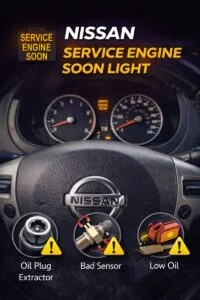
The “Service Engine Soon” light in a Nissan is easy to overlook at first. It often comes on quietly, without noise, smoke, or any obvious change in how the car feels.
Because the vehicle may continue to run normally, many drivers assume it is a minor reminder or something that can wait. Over time, that assumption leads to confusion, frustration, and sometimes expensive repairs that could have been avoided.
In Nissan vehicles, this light is the car’s way of communicating that something in the engine or emissions system is not working as intended. It does not appear randomly, and it is not simply a maintenance timer.
The message behind it can range from a loose gas cap to a sensor failure or a developing mechanical issue. Knowing how this light works, why it turns on, and how to respond calmly makes a real difference.
This guide explains the Nissan Service Engine Soon light in clear terms, helping you understand what the car is telling you and how to decide the next step with confidence.
What The Service Engine Soon Light Means In Nissan Vehicles
In Nissan models, the Service Engine Soon light serves the same basic role as the check engine light used by other manufacturers.
It is connected to the engine control system and emissions monitoring system. When the onboard computer detects data outside expected limits, the light turns on to alert the driver.
This does not automatically mean engine damage. In many cases, the car switches to preset values that allow it to continue running safely. However, the system records a fault code that explains why the light appeared. That stored information is the key to understanding the problem.
It is important to note that Nissan uses the wording “Service Engine Soon” instead of “Check Engine” on many models, but the function is the same. The difference is in the label, not the seriousness.
Steady Light Versus Flashing Light
How the light behaves matters just as much as the fact that it is on.
A steady Service Engine Soon light usually indicates a non-emergency fault. The car can often be driven for a short time, but diagnosis should not be delayed. Many emissions-related issues fall into this category.
A flashing Service Engine Soon light is far more serious. This typically points to an active misfire that can damage the catalytic converter if driving continues. When the light flashes, reducing speed and seeking immediate service is strongly recommended.
Understanding this distinction helps avoid panic when the light appears, while also recognizing when immediate action is required.
Common Reasons The Nissan Service Engine Soon Light Comes On
In Nissan vehicles, certain issues appear more frequently than others. While the exact cause varies by model and year, patterns are well established.
A loose or faulty gas cap is one of the most common triggers. The fuel system is sealed, and even a small leak can set an emissions fault. If the cap is not tightened properly after refueling, the system detects pressure loss and turns the light on.
Oxygen sensors are another frequent cause. These sensors monitor exhaust gases and help adjust fuel mixture. When they age or fail, the engine computer loses accurate feedback and logs a fault.
Mass airflow sensors also play a major role. These sensors measure how much air enters the engine. Dirt, oil residue, or electrical failure can cause incorrect readings, leading to poor fuel control and a warning light.
Ignition-related issues such as worn spark plugs or failing ignition coils are common in higher-mileage Nissan vehicles. These problems can trigger misfire codes, sometimes without obvious drivability symptoms at first.
Catalytic converter efficiency codes appear when the system detects that exhaust treatment is no longer effective. This can be caused by converter wear, but also by unresolved misfires or sensor failures upstream.
Vacuum leaks, aging hoses, and intake gasket problems allow unmetered air into the engine. This disrupts fuel balance and often results in mixture-related fault codes.
How Nissan’s Computer Detects Problems
Nissan engines rely on a network of sensors sending data to the engine control module. This module constantly compares real-world data to expected values stored in its programming.
When a reading stays outside acceptable range for a certain amount of time, the system logs a diagnostic trouble code. If the condition meets specific criteria, the Service Engine Soon light turns on.
Some issues must occur multiple times before the light appears. Others trigger the light immediately. This is why the light sometimes comes on days after a refueling stop or repair.
Even if the light turns off on its own, the code often remains stored as history. That stored information can still guide diagnosis later.
How The Car May Behave When The Light Is On
In many cases, the driver notices no change at all. The engine starts normally, accelerates smoothly, and idles as expected. This is especially true for emissions-related faults.
In other situations, subtle changes appear. Fuel economy may drop slightly. The engine may hesitate during acceleration or idle unevenly at stops.
More serious faults can cause rough running, loss of power, or shaking during acceleration. These symptoms should never be ignored, especially if the light flashes.
The absence of symptoms does not mean the issue is harmless. It simply means the system has compensated enough to keep the engine running within safe limits for now.
What To Do First When The Light Comes On
The first step is observation, not immediate repair. Note whether the light is steady or flashing. Pay attention to how the car feels, sounds, and responds.
Checking the gas cap is a simple and worthwhile step. Tighten it until it clicks, then drive normally for a few trips. If the issue was related to fuel system pressure, the light may turn off after the system completes its self-check.
If the light remains on, scanning the vehicle for codes is the next logical move. Many auto parts stores offer free scanning. A basic scan provides a code number that points to the affected system.
While a code does not always identify the exact failed part, it narrows the problem significantly and prevents guessing.
Why Guessing Parts Is A Costly Mistake
Replacing parts without proper diagnosis is one of the most common and expensive mistakes. For example, an oxygen sensor code does not always mean the sensor itself has failed. Wiring issues, exhaust leaks, or mixture problems can trigger the same code.
Nissan engines are sensitive to airflow and fuel balance. One small issue can cause multiple related codes. Addressing only the symptom rather than the root cause often leads to repeated warning lights.
Professional diagnosis uses scan data, live sensor readings, and system tests to confirm the actual failure. This approach saves money and time in the long run.
Driving With The Service Engine Soon Light On
When the light is steady and the car feels normal, short-term driving is usually safe. However, fuel economy and emissions may suffer, and the underlying issue may worsen over time.
When the light flashes or the engine runs poorly, continued driving risks serious damage. Unburned fuel entering the exhaust can overheat and destroy the catalytic converter, turning a moderate repair into a very expensive one.
As a general rule, steady light means schedule service soon, flashing light means stop driving as soon as possible.
Clearing The Light And Why It Often Comes Back
Disconnecting the battery or using a scan tool can clear the Service Engine Soon light temporarily. However, this does not fix the problem. Once the system detects the fault again, the light returns.
Clearing codes without repairs also erases helpful diagnostic information. This makes future diagnosis harder and sometimes more expensive.
The light should be cleared only after repairs are made, or as part of a diagnostic process.
Maintenance Habits That Reduce Warning Lights
Regular maintenance plays a major role in preventing warning lights. Replacing spark plugs at recommended intervals keeps ignition systems healthy.
Using quality fuel reduces deposits on sensors and injectors. Periodic inspection of hoses and air intake components helps prevent vacuum leaks.
Addressing small drivability issues early often prevents the Service Engine Soon light from appearing later.
Model-Specific Tendencies In Nissan Vehicles
Different Nissan models show different patterns. Some models are more prone to mass airflow sensor contamination. Others show higher rates of ignition coil failure as mileage increases.
While the light means the same thing across the lineup, understanding model-specific tendencies helps speed diagnosis and set realistic expectations.
When Professional Help Is The Best Choice
If the light is flashing, if multiple codes appear, or if the car runs poorly, professional diagnosis is the safest route.
Advanced scan tools allow technicians to view live data, freeze-frame information, and system readiness monitors. This level of detail is essential for accurate repair.
Some repairs also require software updates or relearn procedures that are not possible without proper equipment.
Cost Expectations And Repair Decisions
Costs vary widely depending on the cause. Simple issues such as gas caps or minor sensor cleaning are inexpensive. Sensor replacements and ignition repairs fall into a moderate range.
Catalytic converter replacement is among the most expensive outcomes, which is why early diagnosis matters.
Understanding the range of possibilities helps avoid panic and allows informed decisions.
Common Misunderstandings About The Service Engine Soon Light
Many drivers believe the light is only related to oil changes or routine service. This is not true. Nissan uses separate reminders for maintenance.
Another misconception is that the light always means immediate engine failure. In reality, it is an early warning system designed to protect the engine and emissions components.
Ignoring the light for too long is what turns manageable problems into serious ones.
Final Thoughts
The Nissan Service Engine Soon light is not an enemy and not something to fear. It is a communication tool built into the vehicle to alert you before small issues grow into major repairs. While the car may continue to run normally, the light should always be taken seriously.
By paying attention to how the light behaves, scanning for codes, and addressing the root cause instead of guessing, most issues can be resolved without drama. The key is responding with awareness rather than delay. When handled correctly, the Service Engine Soon light becomes a helpful signal, guiding timely maintenance and protecting the long-term health of the vehicle.