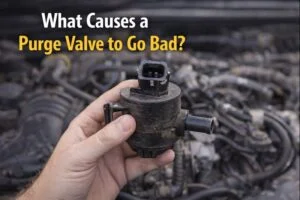
Modern vehicles quietly manage fuel vapors every time the engine runs, parks, or even cools down. One of the most important components in that process is the purge valve.
Most drivers never think about it until a warning light appears, the engine starts acting strangely, or fuel smells become noticeable. When that happens, the purge valve often becomes the focus of attention, yet many people still do not understand why it fails in the first place.
A purge valve does not usually fail randomly. Its problems develop over time, shaped by fuel quality, driving habits, environmental conditions, and the overall health of the emissions system.
What makes purge valve issues confusing is that the symptoms can look like many other problems, from rough idle to hard starting.
This article explains what causes a purge valve to go bad in clear, everyday language. It explores how the valve works, what stresses it, why failures happen, and how certain habits increase or reduce the risk. By the end, the causes will feel logical rather than mysterious.
What A Purge Valve Does Inside The Vehicle
The purge valve is part of the evaporative emissions control system. Its job is to manage fuel vapors that build up inside the fuel tank.
Instead of allowing vapors to escape into the air, the system stores them in a charcoal canister. When conditions are right, the purge valve opens and allows those vapors to be drawn into the engine and burned.
This process reduces emissions and improves efficiency. The valve must open and close at precise times, responding to commands from the engine control unit.
Why The Purge Valve Is Under Constant Stress
Unlike many components that operate only while driving, the purge valve deals with vapor pressure changes even when the vehicle is parked.
Temperature changes cause fuel vapors to expand and contract. The valve and connected hoses experience repeated pressure cycles.
Over time, this constant exposure to fuel vapor, pressure changes, and heat places stress on internal seals and moving parts.
Fuel Vapor Contamination As A Primary Cause
Fuel vapors are not clean air. They carry traces of fuel residue and contaminants that slowly pass through the purge valve.
Over thousands of cycles, residue can build up inside the valve. This buildup interferes with smooth operation and can cause sticking.
Once residue accumulates, the valve may fail to close fully or may not open when commanded.
Charcoal Canister Debris And Its Impact
The charcoal canister stores fuel vapors using activated charcoal pellets. Over time, small particles of charcoal can break loose.
These particles may travel through the vapor lines toward the purge valve. When they reach the valve, they can lodge inside and restrict movement.
This contamination is a common cause of purge valve sticking or partial blockage.
Electrical Wear Inside The Solenoid
Most purge valves are electrically operated using a solenoid. Each time the valve opens or closes, the solenoid activates.
Repeated electrical cycling eventually wears internal components. Heat from the engine bay accelerates this wear.
As electrical resistance changes, the valve may respond slowly or fail to respond at all.
Heat Exposure And Thermal Stress
The purge valve is often located near the engine, where temperatures rise significantly during operation.
Constant heating and cooling cause expansion and contraction of internal components. Plastic housings and rubber seals are especially affected.
Over time, heat weakens seals and causes deformation that leads to leaks or sticking.
Vacuum Pressure Fluctuations
The purge valve operates using engine vacuum. This vacuum is not constant and changes with engine speed and load.
Repeated pressure fluctuations stress the valve diaphragm and internal passages.
If the diaphragm weakens or cracks, the valve may leak vacuum or fail to control vapor flow properly.
Poor Fuel Quality And Additive Residue
Low-quality fuel often contains higher levels of impurities. These impurities contribute to residue buildup throughout the fuel vapor system.
Certain fuel additives can also leave deposits behind if used excessively or improperly.
Residue buildup increases friction inside the purge valve and accelerates failure.
Overfilling The Fuel Tank Repeatedly
Topping off the fuel tank after the pump clicks off is a common habit that many drivers overlook.
Overfilling forces liquid fuel into vapor lines and the charcoal canister. These components are designed for vapor, not liquid.
When liquid fuel reaches the purge valve, it damages seals and increases internal contamination, leading to premature failure.
Short Trips And Limited System Cycling
Vehicles driven primarily on short trips often do not allow the emissions system to complete full operating cycles.
The purge valve may not open as frequently or as effectively, allowing vapors to sit longer in the system.
Extended vapor exposure without proper purging increases the likelihood of residue buildup and sticking.
Moisture Intrusion And Condensation
Moisture can enter the emissions system through temperature changes and humidity.
Condensation forms inside hoses and components, especially in colder climates.
Moisture mixed with fuel vapor creates deposits that corrode internal surfaces and interfere with valve movement.
Hose Deterioration Leading To Valve Damage
The purge valve relies on connected hoses to route vapors correctly.
As hoses age, they can crack internally or shed small rubber particles.
These particles may travel into the valve and contribute to internal blockage or seal damage.
Engine Control Issues That Stress The Valve
The engine control unit commands the purge valve based on sensor input.
If sensors provide inaccurate data, the valve may open or close at incorrect times.
Incorrect cycling frequency places additional wear on the valve and reduces its lifespan.
Why Some Vehicles Experience Repeated Failures
Repeated purge valve failure often points to an underlying issue rather than bad luck.
A saturated charcoal canister, damaged hoses, or ongoing overfilling habits continue to stress new valves.
Replacing the valve alone without addressing root causes often leads to repeat problems.
Early Warning Signs Before Complete Failure
Purge valves rarely fail instantly. Early signs often appear long before total malfunction.
These signs may include rough idle after refueling, difficulty starting, or minor fuel odor.
Catching these symptoms early can prevent more severe system damage.
How A Stuck Open Valve Develops
A purge valve that sticks open allows excessive vapor flow into the engine.
This disrupts the air-fuel mixture, especially at idle or during startup.
Over time, constant exposure to residue and heat increases the chance of the valve remaining open permanently.
How A Stuck Closed Valve Forms
When a purge valve sticks closed, vapors remain trapped in the system.
Pressure builds in the fuel tank and canister, stressing hoses and seals.
This condition often leads to pressure-related faults and fuel odor.
Emissions System Stress And Long-Term Damage
A failing purge valve affects more than just vapor flow.
Incorrect purging stresses the charcoal canister, sensors, and hoses.
Ignoring the issue allows damage to spread throughout the emissions system.
Why Driving Habits Influence Valve Life
Aggressive driving creates higher vacuum fluctuations, increasing valve cycling stress.
Infrequent driving allows vapors and moisture to sit longer in the system.
Balanced driving habits support consistent system operation and longer component life.
Environmental Factors That Accelerate Wear
Extreme temperatures speed up material degradation.
Dusty or polluted environments increase contamination levels in vapor systems.
Urban stop-and-go conditions expose the valve to constant heat without sufficient cooling.
Manufacturing Tolerances And Material Aging
Even well-designed components age over time.
Plastic housings harden, rubber seals lose flexibility, and internal tolerances change.
Eventually, normal aging alone can cause purge valve failure.
Why Regular Maintenance Helps Indirectly
While the purge valve itself is not usually serviced, overall maintenance plays a role.
Replacing aging hoses, avoiding overfilling, and addressing warning lights promptly reduce stress.
Preventive care extends the life of emissions components.
Misconceptions About Purge Valve Failure
Many assume purge valves fail suddenly or without cause. In reality, failure is gradual.
Another misconception is that the valve fails because of poor design. Most failures result from operating conditions, not defects.
Understanding this prevents unnecessary frustration.
Diagnostic Challenges With Purge Valve Issues
Symptoms often mimic other problems such as vacuum leaks or sensor faults.
This leads to delayed diagnosis and prolonged stress on the valve.
Proper testing helps identify issues before complete failure.
Cost Implications Of Delayed Repairs
Replacing a purge valve early is usually straightforward and affordable.
Delaying repair can damage the charcoal canister or trigger repeated warning lights.
Costs increase as related components become involved.
Preventive Habits That Protect The Purge Valve
Stopping refueling at the first pump click is one of the most effective preventive steps.
Using quality fuel reduces residue buildup.
Addressing small emissions warnings early prevents escalation.
Long-Term Emissions System Health
The purge valve plays a central role in emissions control.
Protecting it supports cleaner operation, stable performance, and regulatory compliance.
Healthy emissions systems benefit both the vehicle and the environment.
Final Thoughts
A purge valve does not fail without reason. Its decline is shaped by fuel vapor contamination, heat exposure, electrical wear, moisture, and everyday driving habits. Overfilling the fuel tank, ignoring early warning signs, and overlooking related system issues all contribute to premature failure.
By understanding what causes a purge valve to go bad, drivers gain control rather than reacting to surprise repairs. Small habit changes, timely diagnosis, and attention to emissions-related symptoms protect not just the purge valve, but the entire fuel vapor system. In the long run, informed care preserves reliability, reduces repair costs, and keeps the vehicle operating as intended.