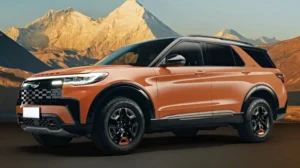
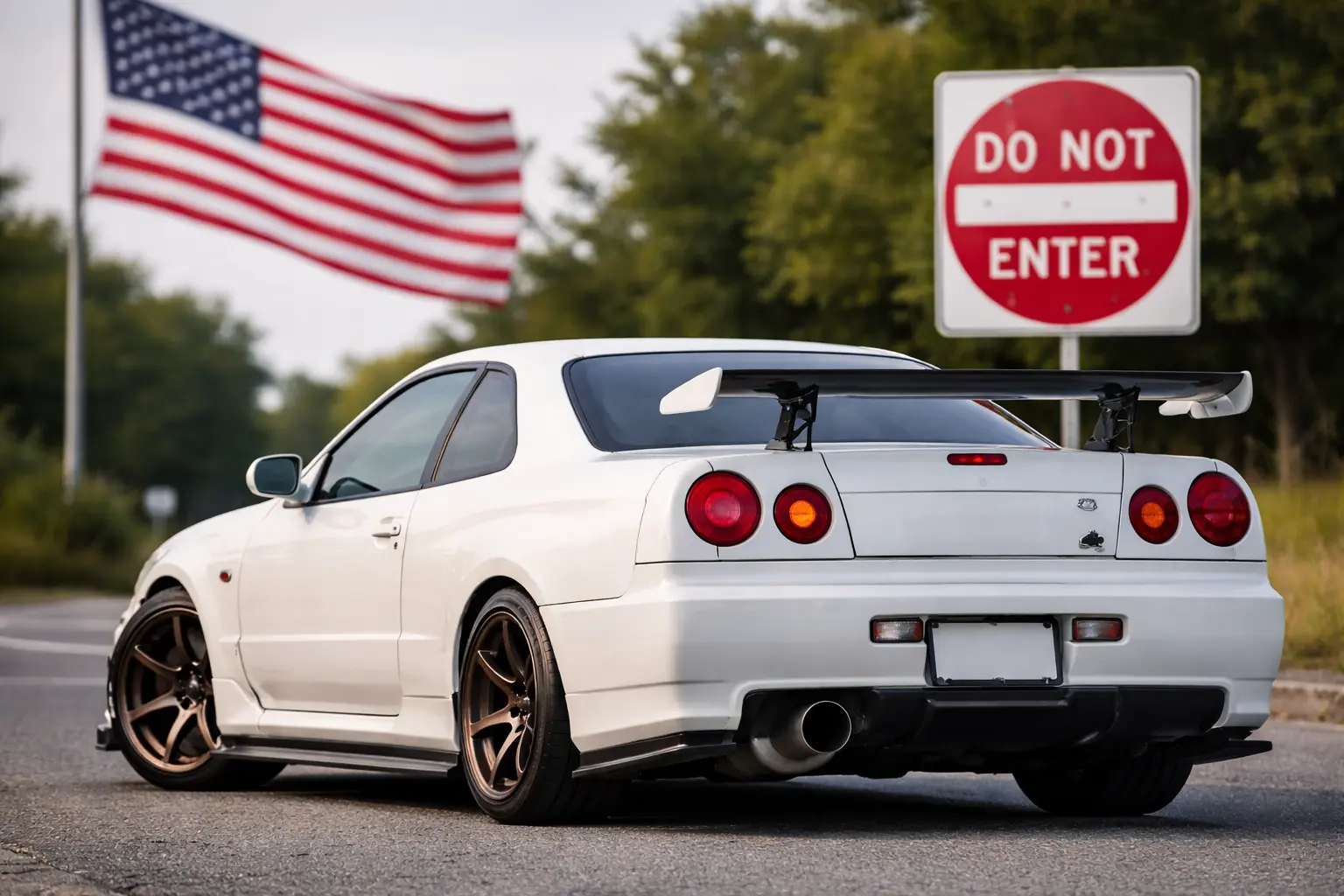
The idea of an illegal car often surprises people. A vehicle may look perfectly normal, perform well, and even be popular in other countries, yet remain completely prohibited on American roads.
In the United States, vehicle legality is not just about whether a car runs or looks safe. It is tied to strict safety, emissions, and regulatory standards that govern what can be sold, imported, registered, and driven.
Many car enthusiasts discover this reality when they see rare models overseas or encounter vehicles labeled as “not street legal” despite their advanced engineering.
Others learn the hard way after purchasing a car only to find it cannot be registered, insured, or legally driven. These restrictions are not arbitrary. They exist to enforce consistent safety rules, environmental protections, and consumer accountability.
Understanding why certain cars are illegal in the United States helps buyers avoid expensive mistakes and legal trouble. It also sheds light on how vehicle laws shape the cars Americans are allowed to drive and why some highly desirable models remain permanently out of reach.
What Makes A Car Illegal In The United States
A car becomes illegal when it fails to meet one or more federal or state requirements. These rules apply regardless of where the car was built or how well it performs.
Federal Safety Standards
The United States enforces Federal Motor Vehicle Safety Standards that regulate crash protection, lighting, airbags, structural integrity, and occupant safety.
If a vehicle was not originally designed to meet these standards, it cannot be legally sold or registered for road use. Retrofitting a car to meet these requirements is often impractical or impossible.
Emissions And Environmental Regulations
Environmental rules set strict limits on exhaust emissions. Engines must meet specific standards for pollutants such as nitrogen oxides and hydrocarbons.
Cars built for other markets may fail these tests, even if they perform well mechanically. Emissions non-compliance alone is enough to make a vehicle illegal.
Certification And Compliance Documentation
Legal vehicles must have proper certification labels confirming compliance with federal standards.
If documentation is missing or invalid, the vehicle is considered non-compliant, regardless of its condition.
State-Level Restrictions
In addition to federal rules, states impose their own requirements. Some states have stricter emissions laws or safety inspections.
A car that passes federal standards may still be illegal in certain states.
Types Of Cars That Are Commonly Illegal
Illegal cars fall into several broad categories. Each category reflects a different reason for non-compliance.
Non-Compliant Imported Vehicles
Many cars built for overseas markets were never intended for American regulations. These vehicles may lack required safety equipment or emissions controls.
Without proper modification and certification, they remain illegal for road use.
Gray Market Cars
Gray market vehicles are imported outside official manufacturer channels. While some can be legalized, many fail to meet U.S. standards.
Owners often discover too late that registration is impossible without extensive changes.
Race Cars And Track-Only Vehicles
Race cars are designed for performance, not public roads. They lack essential safety features such as airbags, crash protection, and compliant lighting.
Even if they resemble street cars, their design purpose makes them illegal for road use.
Vehicles With Illegal Modifications
A car that was once legal can become illegal through modifications. Removed emissions equipment, altered lighting, or unsafe structural changes can violate regulations.
In these cases, the car itself is not banned, but its current configuration is unlawful.
Stolen Or Improperly Documented Vehicles
Cars with altered identification numbers or missing titles are illegal regardless of their design.
Ownership and traceability are legal requirements, not optional paperwork.
Famous Examples Of Cars That Are Illegal In The United States
Some well-known vehicles remain illegal due to regulatory conflicts, not because they are unsafe by design.
Overseas Performance Models
Several high-performance cars sold in other countries were never certified for the U.S. market.
These vehicles often fail emissions tests or lack required safety systems.
Limited-Production Foreign Vehicles
Low-production cars sometimes avoid the cost of U.S. certification.
Manufacturers choose not to certify them, making importation for road use illegal.
Cars Banned By Age Restrictions
The United States allows importation of non-compliant vehicles only after they reach a certain age.
Before that threshold, many classic or specialty cars remain illegal despite being road-legal elsewhere.
The Import Rule That Changes Everything
One rule plays a major role in determining whether a foreign car can be legally imported.
The Twenty-Five-Year Rule
Vehicles that are at least twenty-five years old are exempt from certain federal safety and emissions standards.
This rule allows older cars to be imported legally even if they do not meet modern requirements.
Why This Rule Exists
The exemption recognizes that older vehicles are no longer mass-produced or used as daily transportation by most owners.
It balances historical preservation with regulatory enforcement.
Common Misunderstandings
Some owners believe minor modifications can bypass import rules. This is incorrect.
Age exemptions are strict, and attempting to skirt them often leads to vehicle seizure.
Why The United States Enforces Strict Vehicle Laws
These regulations serve specific purposes beyond limiting choice.
Public Safety Concerns
Uniform safety standards reduce injury risk in accidents.
Allowing non-compliant vehicles would undermine nationwide safety expectations.
Environmental Protection Goals
Vehicle emissions contribute significantly to air pollution.
Strict standards help control environmental impact across states.
Consumer Protection And Accountability
Certification ensures vehicles meet minimum performance and durability expectations.
It protects buyers from unsafe or deceptive products.
Consequences Of Owning Or Driving An Illegal Car
The risks extend far beyond inconvenience.
Registration And Insurance Denial
Illegal cars cannot be registered or insured legally.
Driving without either exposes owners to serious penalties.
Vehicle Seizure And Fines
Authorities may confiscate non-compliant vehicles.
Owners may also face heavy fines and legal costs.
Financial Loss
Illegal cars often cannot be resold legally.
The financial loss can be significant, especially with imported vehicles.
How People Accidentally End Up With Illegal Cars
Many owners do not intend to break the law.
Online Purchases Without Proper Research
Some sellers misrepresent a vehicle’s legal status.
Buyers assume paperwork will resolve issues later, which is rarely true.
Misleading “Street Legal” Claims
Track cars or imports are sometimes advertised as street legal without evidence.
Without certification, such claims are meaningless.
Incomplete Import Processes
Partial import paperwork does not guarantee legality.
Missing steps often result in vehicles stuck in legal limbo.
How To Avoid Buying An Illegal Car
Careful verification prevents costly mistakes.
Checking Compliance Labels And Documentation
Legal vehicles carry certification labels.
Absence of these labels is a red flag.
Confirming Import Status Before Purchase
Verifying import compliance with authorities protects buyers.
Assumptions lead to problems.
Consulting Professionals
Specialists in vehicle imports and registration can confirm legality.
Professional guidance is often far cheaper than correcting mistakes.
Can Illegal Cars Ever Become Legal
In some cases, yes, but conditions are strict.
Legalization Through Proper Modification
Certain vehicles can be modified to meet standards, but costs are high.
This process is often impractical for private owners.
Age-Based Exemptions
Waiting until a vehicle qualifies under age exemptions is sometimes the only viable path.
Patience often proves cheaper than forced compliance.
The Difference Between Rare And Illegal
Not all rare cars are illegal.
Limited Production Versus Non-Compliant
Some rare vehicles were fully certified and sold legally.
Illegality comes from regulatory failure, not rarity.
Collector Cars And Special Registrations
Some states allow limited-use registrations for special vehicles.
These do not override federal laws.
Why Illegal Cars Still Attract Interest
Despite restrictions, interest remains high.
Exclusivity And Performance Appeal
Illegal cars often represent peak engineering or unique design.
Their rarity increases desire.
Cultural And Media Influence
Movies, racing culture, and online content fuel curiosity.
The forbidden nature adds to the allure.
Final Thoughts
Illegal cars in the United States are not banned out of spite or misunderstanding. They are restricted because they fail to meet carefully defined standards that protect safety, the environment, and consumers. While some of these vehicles are impressive and desirable, legality is determined by compliance, not popularity or performance.
For buyers and enthusiasts, knowledge is the best protection. Understanding import rules, certification requirements, and modification limits prevents costly mistakes and legal trouble. The line between legal and illegal can be thin, but it is firmly enforced.
Choosing a vehicle that meets all requirements ensures peace of mind and long-term usability. In the end, the most enjoyable car is one that can be driven freely, insured properly, and owned without constant legal concern.