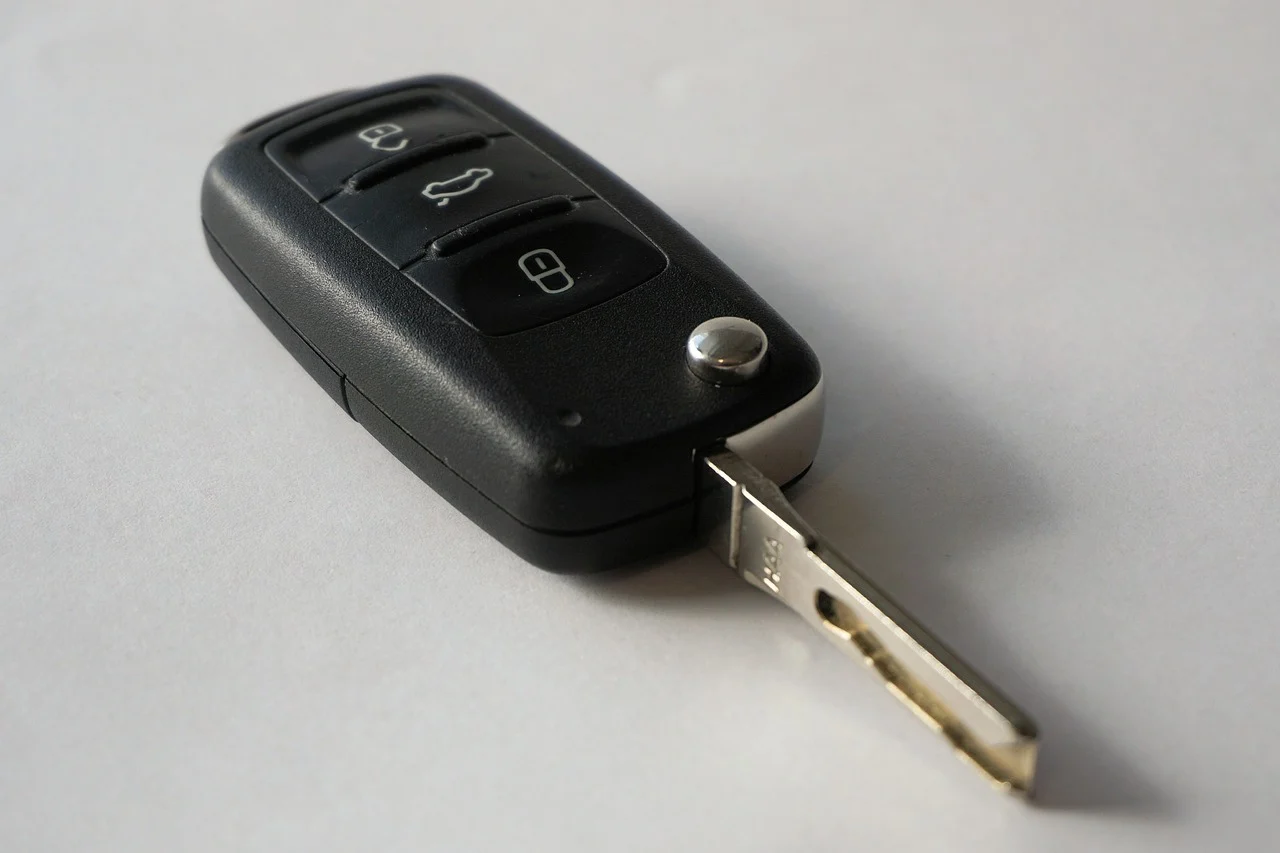
Modern vehicles are designed to prevent unauthorized use long before the engine ever cranks. That protection begins with the chip key. Unlike older metal keys, a chip key contains a small electronic transponder that communicates with the vehicle’s security system.
When that signal is missing or incorrect, the engine remains disabled by design. This can catch owners off guard, especially when a key is lost, damaged, or stops working unexpectedly. The car may unlock, accessories may power on, yet the engine refuses to start.
This situation often leads people to search for workarounds. Unfortunately, much of the information found online is misleading, outdated, or outright illegal. Modern immobilizer systems are not simple obstacles that can be bypassed safely or easily.
The reality is that starting a car without a chip key is not about tricks or shortcuts. It is about restoring proper authorization so the vehicle recognizes its owner again.
Better to know how these systems work and what lawful options exist helps avoid wasted time, unnecessary damage, and serious legal trouble.
Why Cars With Chip Keys Will Not Start Without Them
How The Immobilizer System Works
When a chip key is inserted or brought near the ignition, the vehicle sends out a coded signal. The transponder inside the key responds with a unique identifier. If that identifier matches what the vehicle’s control module expects, fuel delivery and ignition are enabled.
If the signal is missing or incorrect, the system blocks starting. This happens silently in many vehicles, with no warning beyond a blinking security light.
Why Turning The Ignition Alone Is Not Enough
In older cars, turning the ignition mechanically completed the starting circuit. In modern vehicles, the ignition switch is only part of the process. Electronic authorization must occur before the engine is allowed to run.
That is why jumping wires, replacing ignitions, or using copied metal keys does not work on chip-equipped cars.
What Happens When The Chip Is Damaged
A cracked, water-damaged, or worn transponder may still turn the ignition but fail to communicate correctly. The result looks the same as having no chip key at all.
This is one of the most common reasons owners think the car is “dead” when the issue is actually the key.
Common Myths About Starting A Car Without A Chip Key
The Hot-Wiring Myth
Hot-wiring applies to vehicles built decades ago. Modern immobilizers disable fuel injection or ignition electronically. Even if the starter motor turns, the engine will not run.
Attempting this often causes electrical damage without solving the problem.
The Magnet Or Foil Trick
Stories about wrapping keys in foil or using magnets are internet myths. Immobilizer systems use encrypted signals that cannot be fooled by physical interference.
These tricks do nothing except waste time.
Swapping Ignitions Or ECUs
Replacing the ignition cylinder or control module without proper programming usually creates more problems. Most components are paired digitally to the vehicle.
Unprogrammed replacements result in a no-start condition.
Legal And Realistic Ways To Get Your Car Started Again
Using A Spare Chip Key
Many owners forget they have a spare key stored at home. This is the fastest and least expensive solution.
If the spare works, the original key is confirmed faulty.
Automotive Locksmith Services
Licensed automotive locksmiths can cut and program new chip keys on site for many vehicles. This often costs less than dealership replacement and can be done without towing.
The locksmith verifies ownership before programming, which protects both parties.
Dealership Key Replacement
Dealerships can generate and program new keys using manufacturer databases. This option is more expensive but necessary for some newer or high-security models.
Proof of ownership is always required.
Reprogramming After Key Failure
If the key is present but not recognized, reprogramming may restore functionality. This applies when the chip is intact but the vehicle has lost synchronization.
This service is typically performed by professionals with factory-level tools.
What To Do If You Are Completely Locked Out
Towing As A Practical Step
When no working key exists, towing the vehicle to a dealer or locksmith-equipped shop may be unavoidable.
Trying to force a solution on the roadside often increases cost and damage.
Required Documents For Key Replacement
Most providers require:
- Vehicle registration
- Government-issued identification
- Proof of ownership
These requirements prevent misuse and protect owners.
Expected Timeframes
Same-day replacement is possible for many vehicles. Some newer models require key ordering, which can take several days.
Planning ahead reduces stress.
Cost Expectations For Chip Key Replacement
Typical Price Ranges
- Basic chip key replacement: moderate cost
- Proximity or smart keys: higher cost
- Luxury or encrypted systems: premium pricing
Prices vary based on vehicle make, year, and security level.
Why Replacement Is Not Cheap
Chip keys include electronics, encryption, and programming time. The cost reflects security rather than materials alone.
Cheaper alternatives often fail or cause system issues.
How To Avoid This Situation In The Future
Always Keep A Spare Key
Having a programmed spare prevents emergencies and reduces replacement cost significantly.
Store it separately from the primary key.
Replace Damaged Keys Early
Cracked housings or intermittent recognition are warning signs. Replacing the key early avoids complete failure.
Avoid Aftermarket Key Experiments
Poor-quality aftermarket keys often cause recognition issues. Using reputable providers protects the vehicle’s security system.
When Professional Help Is Non-Negotiable
If the security light flashes rapidly, the engine cranks but will not fire, or the vehicle displays immobilizer warnings, professional service is required.
Attempting unauthorized bypass methods risks permanent damage and legal consequences.
Final Thoughts
Cars equipped with chip keys are intentionally designed not to start without proper electronic authorization. This is not a flaw or inconvenience—it is a security feature that protects owners from theft and unauthorized use. While it can be frustrating when a key is lost or fails, there is no safe or legal shortcut around the immobilizer system.
The correct path forward involves restoring valid access through a spare key, licensed locksmith, or dealership service. These options may take time and cost money, but they protect the vehicle, the owner, and everyone involved. Treating the situation realistically avoids damage, prevents legal trouble, and gets the car back on the road the right way.