Vehicle theft remains a serious concern worldwide. Even with modern security systems, organized theft rings and opportunistic criminals continue targeting cars, trucks, and SUVs. When a vehicle disappears, the emotional and financial stress can feel overwhelming. One of the most important pieces of information during recovery is the Vehicle Identification Number, commonly known as the VIN.
The VIN is more than just a serial number. It is a unique 17-character code assigned to every vehicle, acting like a fingerprint that distinguishes one car from another. Law enforcement agencies, insurance companies, dealerships, and vehicle databases rely on this number to track ownership, registration, recalls, and theft records.
While a VIN cannot physically transmit a vehicle’s location like a GPS tracker, it plays a powerful role in identifying and recovering stolen vehicles. Using it correctly, and legally, increases the chances of recovery while avoiding scams or illegal tracking services that promise unrealistic results.
What A VIN Can And Cannot Do In A Theft Situation
How The VIN Identifies A Specific Vehicle
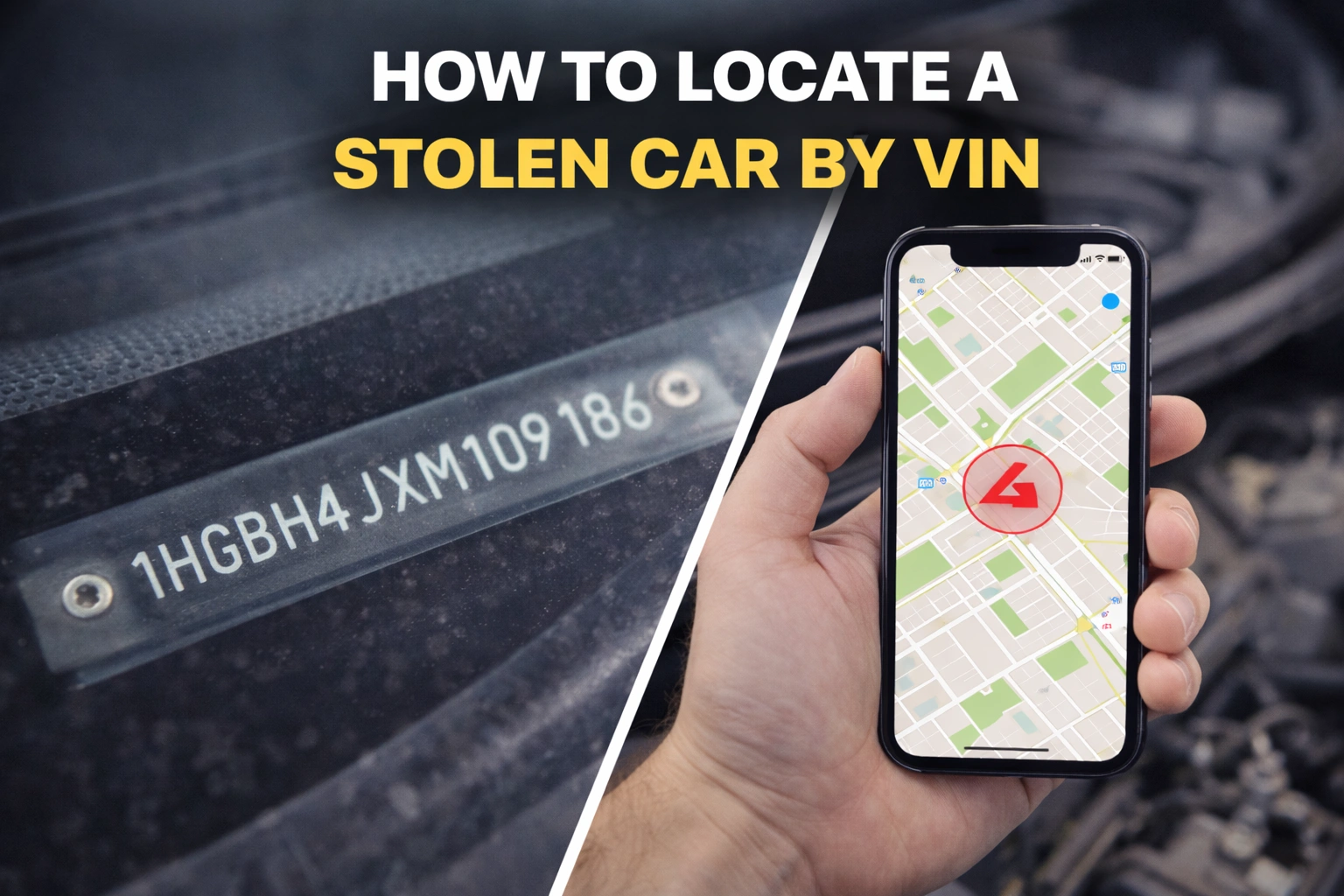
A Vehicle Identification Number contains detailed information about a vehicle’s manufacturer, model year, assembly plant, and production sequence. Each character holds meaning. Together, they create a unique code that distinguishes one vehicle from every other vehicle on the road.
When a vehicle is reported stolen, law enforcement enters the VIN into national and international databases. This allows officers, border patrol agents, auction houses, and dealerships to check whether a vehicle has been reported as stolen during inspections or transactions.
Because VIN numbers are standardized and globally recognized, they provide a consistent method of identification across jurisdictions. If a stolen vehicle resurfaces anywhere within a participating database network, the VIN connects it to the theft report.
The VIN acts as an identification key, not a live tracking device. Its strength lies in documentation and record matching rather than real-time location monitoring.
Limitations Of VIN Based Tracking
A VIN does not broadcast signals or reveal the vehicle’s current physical location. Unlike GPS tracking devices, it cannot show a map or pinpoint movement.
Many online advertisements claim they can track a stolen car instantly through VIN lookup. These claims are misleading. Public VIN search tools provide ownership history, accident records, or title information, but they do not provide live tracking capability.
If someone promises immediate real-time location data solely from a VIN, that service is likely fraudulent. The only legitimate tracking systems involve installed telematics services or GPS hardware that operate separately from the VIN itself.
The VIN supports recovery efforts indirectly through database registration, law enforcement cooperation, and transaction monitoring.
Immediate Steps To Take After Vehicle Theft
File A Police Report Without Delay
The first and most important step after discovering a vehicle theft is contacting law enforcement immediately. Provide accurate details, including the VIN, license plate number, color, distinctive features, and last known location.
When police enter the VIN into national crime databases, it becomes searchable by patrol officers and agencies across the country. This increases the chances that routine traffic stops, parking enforcement checks, or border inspections may identify the vehicle.
Filing a report quickly also creates an official record required by insurance companies. Delaying reporting can reduce recovery chances and complicate insurance claims.
Law enforcement databases are the primary legal channel through which VIN tracking functions effectively.
Notify Your Insurance Provider
Insurance companies rely on the VIN to process theft claims and coordinate recovery. Once notified, the insurer may conduct its own investigation or monitor auction networks for the vehicle’s identification number.
In some cases, insurers work closely with recovery specialists who monitor vehicle sales platforms for stolen VIN matches. This adds another layer of oversight beyond police databases.
Accurate VIN reporting ensures proper documentation and avoids disputes during claim processing.
Using VIN To Monitor For Recovery Opportunities
Checking National And International Stolen Vehicle Databases
Many countries maintain public or semi-public databases where individuals can check stolen vehicle records by VIN. These platforms allow confirmation of theft status and may provide updates if the vehicle is recovered.
In the United States, law enforcement relies on the National Crime Information Center database. In other regions, similar systems exist. While private individuals may not access full police databases directly, they can confirm theft listings through authorized channels.
Regularly checking legitimate databases ensures the VIN remains correctly listed and reduces the risk of administrative errors.
Maintaining documentation also helps if the vehicle resurfaces in another jurisdiction.
Monitoring Online Marketplaces And Auction Listings
Stolen vehicles sometimes reappear in online listings or auction sites under altered license plates but unchanged VIN plates. Criminals may attempt to resell quickly before detection.
Monitoring vehicle marketplaces using the VIN or unique identifying features may reveal suspicious listings. However, direct confrontation with suspected sellers is not advisable.
If a possible match appears, report the listing immediately to law enforcement. Provide screenshots and details without attempting independent recovery.
Safety and legal compliance must remain the priority.
Working With Dealerships And Service Centers
Dealerships and repair shops routinely record VIN numbers during service appointments. If a stolen vehicle enters a service facility, its VIN may trigger alerts within law enforcement systems.
Some owners choose to notify local dealerships and service centers of the theft, providing VIN details. This proactive step may increase detection chances if the vehicle requires maintenance after theft.
Professional networks often cooperate with law enforcement when stolen vehicle alerts appear.
Risks And Scams To Avoid When Searching By VIN
Fake VIN Tracking Services
Many online platforms claim to offer instant stolen vehicle tracking based solely on a VIN. These services often charge fees while providing no legitimate tracking capability.
Real-time tracking requires GPS hardware installed in the vehicle. A VIN alone does not transmit signals.
Before paying for any service, verify that it is legitimate and operates within legal boundaries. Law enforcement agencies do not require payment for stolen vehicle entry into official databases.
Avoid sharing sensitive personal information with unverified websites.
Identity Theft And Fraud Concerns
Publishing the full VIN publicly on social media may expose the owner to fraud risks. Criminals can misuse VIN numbers to create fake documents or clone vehicles.
When sharing VIN details online for recovery assistance, do so cautiously and preferably through official law enforcement channels.
Protecting personal data remains essential even during recovery efforts.
Additional Recovery Strategies Beyond VIN Tracking
Checking For Installed Telematics Systems
Some vehicles include built-in telematics systems capable of GPS tracking. Services offered by manufacturers may assist in locating the vehicle if activated prior to theft.
Contacting the manufacturer’s customer support with the VIN may reveal whether remote tracking services are available. Activation usually requires proof of ownership.
Unlike VIN databases, telematics systems provide live location data when properly configured.
Reviewing Traffic Camera Or Toll Records
Law enforcement agencies may use traffic cameras, toll booth records, or license plate recognition systems to identify stolen vehicles.
Providing accurate theft timing and location increases the effectiveness of these investigations.
VIN data supports these efforts by confirming vehicle identity once located.
Cooperation with authorities enhances investigative efficiency.
The Practical Reality Of VIN Based Recovery
A VIN is a powerful identification tool but not a tracking device. Its value lies in official documentation, database integration, and law enforcement coordination. When used correctly, it strengthens the legal process of locating and recovering stolen vehicles.
Immediate reporting, consistent database monitoring, insurance coordination, and cautious review of marketplace listings all contribute to recovery efforts. Avoiding scams and unauthorized tracking services protects both finances and personal information.
Vehicle recovery often depends on structured legal processes rather than instant digital tracking. Accurate VIN usage ensures that when the vehicle resurfaces—whether during a traffic stop, resale attempt, or service appointment—it can be identified quickly and returned to its rightful owner.