Modern vehicles rely heavily on electronic security. Anti-theft systems are no longer simple alarms; they are integrated into ignition, fuel delivery, and engine control.
When working correctly, they protect the vehicle from unauthorized access. When something goes wrong—or when a key is lost—they can leave even rightful owners locked out and frustrated.
An activated anti-theft system without access to a programmed key often feels like a dead end. The car may crank but not start, flash security lights, disable fuel delivery, or refuse any response at all.
Many owners assume the system must be “disabled,” but that approach usually creates more problems than it solves. These systems are designed to resist tampering, and improper attempts often lead to expensive damage.
The correct solution focuses on resetting, re-authorizing, or reprogramming the system using verified ownership methods.
Knowing how these systems work, why they trigger, and what legitimate recovery paths exist helps owners regain control safely and protect long-term vehicle value.
How Automotive Anti-Theft Systems Actually Work
Understanding the system removes much of the confusion surrounding lockouts.
Core Purpose Of Anti-Theft Technology
Anti-theft systems prevent engine operation unless the vehicle recognizes a valid authorization signal. That signal typically comes from a programmed key, key fob, or digital authentication module.
If the system does not detect correct authorization, it intentionally disables starting functions such as ignition spark, fuel injection, or starter engagement.
Common Types Of Anti-Theft Systems
Most vehicles use one or more of the following designs:
- Transponder Key Systems using a coded chip inside the key
- Immobilizer Systems that block fuel or ignition electronically
- Smart Key And Push-Button Systems relying on encrypted signals
- Body Control Module Security Logic integrated with engine management
All of these systems are interconnected. That integration is why bypass attempts often cause cascading electrical faults.
Why The System Activates Without A Key
Activation without a key usually happens due to:
- Lost or damaged keys
- Dead or weak key fob batteries
- Electrical voltage drops
- Module communication errors
- Incorrect jump-starting procedures
- Aftermarket alarm interference
In many cases, the system is not “broken”—it is simply doing exactly what it was designed to do.
What Happens When A Key Is Missing Or Not Recognized
Anti-theft behavior varies, but patterns are consistent across brands.
Typical Symptoms Of A Security Lockout
Owners commonly report:
- Engine cranks but does not start
- Starter disabled completely
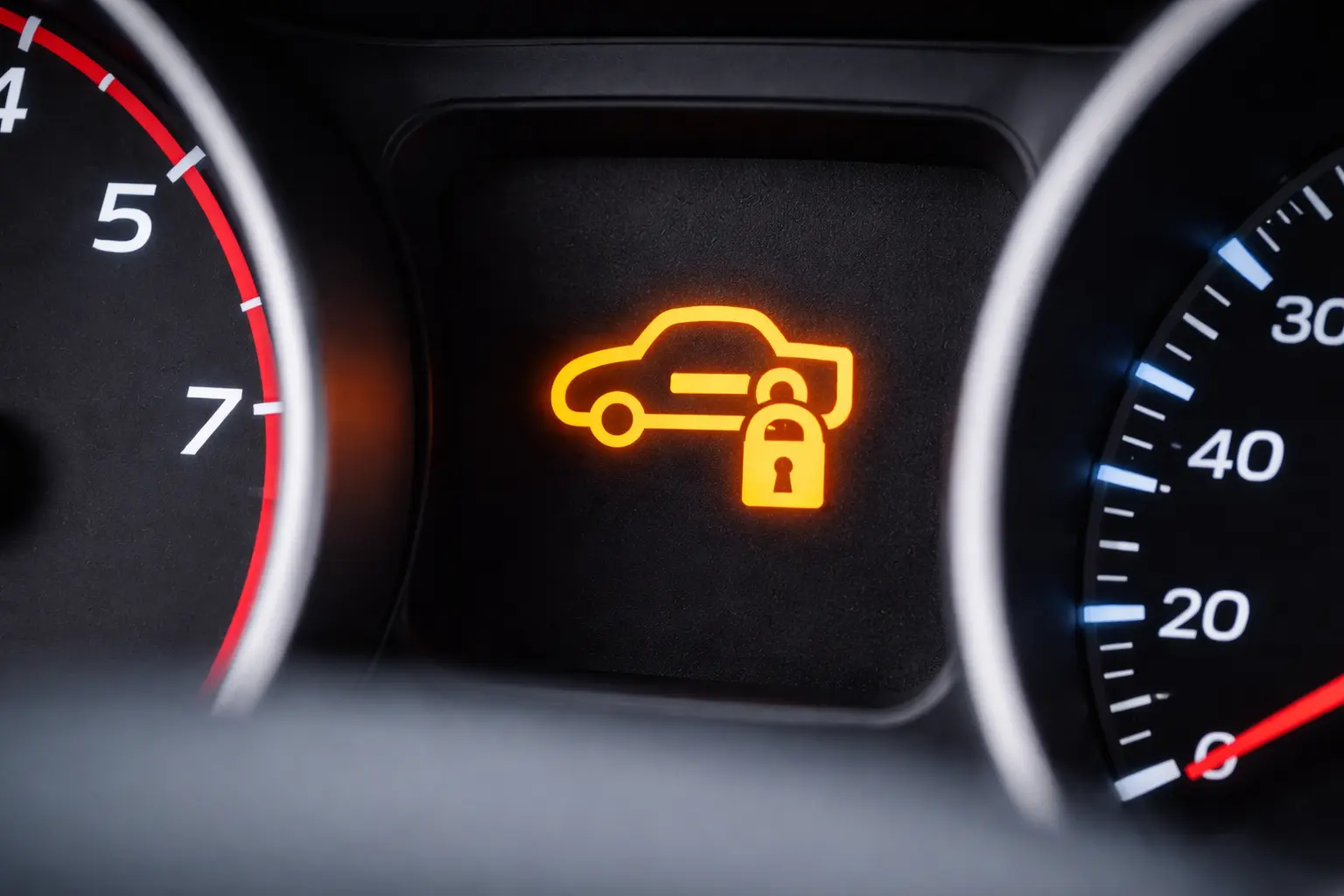
- Rapidly flashing security light
- Dashboard warnings related to immobilizer
- Horn or alarm activation during entry
These symptoms often appear suddenly, even when the car worked normally the previous day.
Why Bypassing Causes Damage
Attempting to disable or bypass security systems can result in:
- Permanent control module lockouts
- Corrupted vehicle software
- Fuel system shutdowns
- Airbag or safety system faults
- Voided warranties or insurance complications
Once compromised, these systems usually require dealer-level repairs.
Legitimate And Safe Ways To Restore Access Without A Key
There are effective solutions that do not involve bypassing security.
Verifying Ownership First
All legitimate recovery methods require proof of ownership. This protects both the owner and the vehicle.
Accepted documentation usually includes:
- Vehicle registration
- Government-issued identification
- Proof of purchase or insurance
Without verification, no professional will proceed—and that is by design.
Professional Automotive Locksmith Services
Certified automotive locksmiths can:
- Cut new mechanical keys
- Program transponder chips
- Sync replacement key fobs
- Re-authorize immobilizer systems
These services are often faster and less expensive than dealership visits, especially for older models.
Dealer Reprogramming And Key Replacement
Authorized dealers can:
- Access manufacturer security databases
- Reset immobilizer systems
- Program factory-correct keys
- Update control module software
This option is essential for newer vehicles with encrypted systems.
Battery And Electrical System Reset Checks
In some cases, restoring stable electrical voltage resolves false security activation.
Steps typically include:
- Replacing weak vehicle batteries
- Ensuring clean battery terminals
- Correct jump-start procedures
- Allowing control modules to reinitialize
This does not disable security—it restores normal operation.
Why Online “Disable” Methods Are Risky And Misleading
Many guides online promise quick solutions that rarely work.
The Myth Of Fuse Pulling Or Wire Jumping
Modern vehicles do not rely on single circuits for security. Pulling fuses often triggers additional lockouts or disables critical systems.
What worked decades ago does not apply to current designs.
Aftermarket Bypass Modules And Their Risks
Some devices claim to override immobilizers. These often:
- Violate manufacturer security protocols
- Create electrical instability
- Cause long-term reliability issues
- Reduce resale value
In many regions, their use is legally restricted.
Long-Term Consequences Of Improper Bypassing
Vehicles that have been tampered with often experience:
- Intermittent no-start conditions
- Random warning lights
- Failed inspections
- Insurance claim disputes
Fixing the damage usually costs more than proper reprogramming would have.
Preventing Future Anti-Theft Lockouts
Once access is restored, prevention becomes the priority.
Maintaining Spare Programmed Keys
Always keep at least one additional programmed key stored safely. This single step prevents most lockout scenarios.
Replacing Key Fob Batteries Early
Weak fob batteries are one of the most common causes of false security activation. Replace them proactively, not reactively.
Avoiding Electrical Voltage Drops
Poor battery health affects every control module. Stable voltage protects security logic and reduces false triggers.
Using Qualified Technicians For Electrical Work
Aftermarket installations or improper repairs frequently interfere with security systems. Qualified service protects system integrity.
When Professional Help Is Always Required
Certain situations should never be handled without expert support.
Newer Vehicles With Encrypted Security
Late-model vehicles use rolling codes and encrypted communication. Only authorized tools can interact with these systems.
Repeated Lockouts Or Module Errors
Recurring security faults indicate deeper issues that require diagnostic equipment and software access.
Insurance Or Warranty Considerations
Improper bypass attempts can invalidate coverage. Professional documentation protects future claims.
Final Thoughts
An anti-theft system that activates without access to a key is not a failure—it is proof that the system is doing its job. While the situation is frustrating, attempting to disable or bypass security almost always makes things worse.
The safest and most effective path focuses on legitimate restoration, not circumvention. Professional locksmiths, authorized dealers, and proper electrical diagnostics resolve the issue without damaging the vehicle or creating future problems.
Modern vehicle security is complex for a reason. Respecting that design protects ownership rights, preserves vehicle value, and ensures long-term reliability. With the right approach, access can be restored cleanly, legally, and permanently—without putting the car or the owner at risk.