Automatic transmissions rely on smooth power transfer to keep a vehicle moving without constant driver input. At the heart of that process sits the torque converter, a component most drivers never think about until something feels wrong.
When it begins to fail, the cost to replace it often comes as a surprise. Many people expect a simple part swap, only to discover that the repair involves significant labor and careful decision-making.
The cost of replacing a torque converter is not just about the part itself. It is closely tied to how transmissions are built, how much disassembly is required, and whether other components have been affected along the way.
In some cases, replacing the torque converter alone makes sense. In others, it becomes part of a much larger transmission repair conversation.
This article explains how much it costs to replace a torque converter in clear, realistic terms. It breaks down parts pricing, labor costs, vehicle differences, and hidden factors that influence the final bill. The goal is to give you a complete picture so the numbers make sense before you ever step into a repair shop.
Understanding What A Torque Converter Does And Why Replacement Is Costly
The Role Of The Torque Converter In An Automatic Transmission
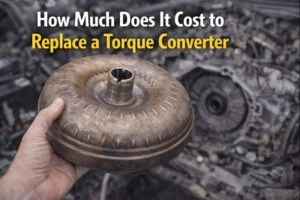
A torque converter connects the engine to the transmission. Instead of a traditional clutch, it uses fluid dynamics to transfer power smoothly. It allows the engine to keep running while the vehicle is stopped and multiplies torque during acceleration.
Because it sits between the engine and the transmission, accessing it requires separating these two major components. This alone explains why replacement costs are higher than many people expect.
Why A Failing Torque Converter Cannot Be Ignored
When a torque converter starts to fail, it does not just affect smoothness. It can create excessive heat, contaminate transmission fluid, and place stress on internal transmission parts. Ignoring early symptoms often turns a single repair into a full transmission rebuild.
Replacing it early can sometimes prevent far more expensive damage later.
Average Cost To Replace A Torque Converter
Typical Price Range For Most Vehicles
On average, replacing a torque converter costs between $1,500 and $3,500. This wide range exists because labor is the largest part of the bill, not the converter itself.
In smaller passenger cars, costs may fall closer to the lower end. Larger vehicles, trucks, and luxury models usually land on the higher end or beyond.
Cost Of The Torque Converter Itself
The torque converter part alone usually costs between $300 and $1,200, depending on the vehicle. Basic models are less expensive, while heavy-duty or performance converters cost more.
Original manufacturer parts tend to cost more than aftermarket options, though quality differences matter.
Labor Cost And Why It Dominates The Total
Labor often ranges from $800 to $2,000 or more. This is because the transmission must be removed from the vehicle to access the torque converter.
Transmission removal is time-consuming and requires specialized equipment. Even experienced technicians need many hours to complete the job properly.
Factors That Change The Final Replacement Cost
Vehicle Type And Drivetrain Layout
Front-wheel-drive vehicles typically require more labor than rear-wheel-drive vehicles. In front-wheel-drive layouts, the transmission is often tightly packed in the engine bay.
Rear-wheel-drive vehicles usually allow easier access, which can reduce labor time slightly.
All-wheel-drive systems add complexity and increase labor costs further.
Engine Size And Transmission Design
Larger engines and heavier-duty transmissions require more time and effort to remove and reinstall.
Some transmissions are designed as sealed units, which complicates servicing and increases labor hours.
Design differences alone can change the bill by hundreds of dollars.
New Versus Remanufactured Torque Converters
New torque converters cost more but offer peace of mind. Remanufactured units are rebuilt and tested but may vary in quality depending on the supplier.
Many repair shops prefer remanufactured converters from trusted sources to balance cost and reliability.
Additional Parts And Fluids
Replacing a torque converter usually requires fresh transmission fluid. In many cases, seals, gaskets, and filters are also replaced while the transmission is out.
These additional parts add to the cost but are essential for long-term reliability.
Situations Where Costs Increase Beyond Expectations
Contaminated Transmission Fluid
A failing torque converter can shed metal particles into the transmission fluid. If contamination is severe, internal transmission components may already be damaged.
In these cases, replacing only the torque converter may not solve the problem, and additional repairs may be recommended.
Torque Converter Failure Causing Transmission Damage
If the converter fails catastrophically, it can damage the transmission pump or valve body.
This turns a converter replacement into a partial or full transmission rebuild, significantly increasing costs.
Delayed Repairs And Compounding Damage
Driving with a slipping or overheating torque converter accelerates wear throughout the transmission.
Early replacement is almost always cheaper than waiting.
Repair Versus Replacement Decisions
Can A Torque Converter Be Repaired
In most cases, torque converters are replaced rather than repaired. Internal components are sealed and not designed for on-vehicle repair.
Specialized facilities rebuild converters, but this is typically done off the vehicle and supplied as a remanufactured unit.
Replacing The Converter During Transmission Repairs
When a transmission is rebuilt or replaced, the torque converter is almost always replaced at the same time.
Reusing an old converter with a rebuilt transmission risks immediate failure and contamination.
Is It Worth Replacing Only The Torque Converter
If the transmission itself is in good condition and symptoms are clearly converter-related, replacing only the converter can be cost-effective.
Proper diagnosis is critical before making this decision.
How Symptoms Influence Cost Timing
Early Symptoms That Keep Costs Lower
Shuddering at certain speeds, delayed engagement, or mild slipping often indicate early-stage torque converter issues.
Addressing these symptoms early may allow replacement before major damage occurs.
Severe Symptoms That Raise Costs Quickly
Grinding noises, overheating warnings, complete loss of movement, or heavily contaminated fluid suggest advanced damage.
At this stage, replacement costs often escalate.
Choosing The Right Repair Shop
Why Transmission Experience Matters
Torque converter replacement is not a basic repair. It requires deep transmission knowledge and precision.
Choosing a shop with transmission expertise reduces the risk of repeat repairs.
Dealer Versus Independent Shop Pricing
Dealerships often charge more for labor but use original parts. Independent shops may offer lower pricing and flexible part options.
Quality matters more than location when dealing with transmission components.
Preventive Factors That Affect Long-Term Cost
Transmission Fluid Maintenance
Clean, properly serviced fluid reduces heat and wear inside the torque converter.
Regular maintenance extends converter and transmission life.
Cooling System Health
Transmission cooling plays a major role in torque converter longevity.
Overheating accelerates failure and increases repair costs.
Common Misconceptions About Torque Converter Replacement
Many people assume the converter is a simple bolt-on part. In reality, it is buried deep within the drivetrain.
Another misconception is that replacing the converter always fixes shifting problems. Accurate diagnosis is essential.
Understanding these points prevents unrealistic expectations.
Realistic Cost Scenarios
A compact sedan may see a total cost near $1,600 to $2,200.
A full-size truck or SUV may reach $2,500 to $4,000.
Luxury or performance vehicles may exceed $5,000, especially if additional components are involved.
Is Replacement Worth It On Older Vehicles
Vehicle value plays a role in decision-making. Replacing a torque converter on an older car may or may not make financial sense.
Comparing repair cost to vehicle value helps guide the decision.
Planning For The Repair Financially
Requesting a detailed estimate prevents surprises.
Understanding what is included, such as fluid and warranty coverage, is essential.
Clear communication avoids misunderstandings.
Final Thoughts
Replacing a torque converter is one of those repairs where the labor matters as much as the part itself. While the converter may cost a few hundred dollars, the work required to access it drives total costs into the thousands. On average, most drivers can expect to spend between $1,500 and $3,500, with variations based on vehicle type, drivetrain layout, and overall transmission condition.
The most important factor in controlling cost is timing. Addressing symptoms early can prevent contamination and internal damage that lead to much higher bills. Proper diagnosis, experienced repair work, and realistic expectations make torque converter replacement manageable rather than overwhelming. When understood clearly, the cost reflects the complexity of the job, not unnecessary expense.