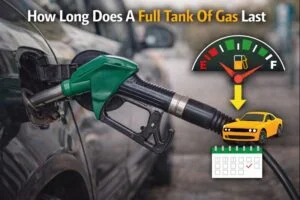
A full tank of gas often feels like a fresh start. The gauge reads full, the range display shows optimistic numbers, and there is a sense of freedom knowing refueling is not immediately necessary.
Yet many drivers notice that a tank seems to last longer in some situations and disappear quickly in others. One week a full tank might stretch across several days of commuting, while another time it feels empty far too soon.
This variation is not random. Fuel usage depends on a combination of vehicle design, driving style, environment, and maintenance condition.
There is no single number that applies to every car or driver. A compact sedan, a large SUV, and a pickup truck can all start with a full tank and end up traveling very different distances.
Even two identical cars can produce different results based on how and where they are driven. Looking closely at fuel capacity, fuel economy, and real-world usage patterns helps explain how long a full tank actually lasts and why expectations often differ from reality.
Fuel Tank Size And Vehicle Type
Average Fuel Tank Capacities
Fuel tank size sets the foundation for how far a vehicle can travel. Smaller cars typically have tanks ranging from 10 to 14 gallons. Midsize sedans often carry between 14 and 16 gallons. SUVs and trucks usually hold 18 to 26 gallons, and some heavy-duty trucks carry even more.
A larger tank does not automatically mean better range. Capacity must be paired with fuel efficiency.
Compact And Economy Cars
Compact cars are designed to travel farther on less fuel. Many achieve 30 to 40 miles per gallon under ideal conditions. With a 12-gallon tank, these vehicles can often travel 360 to 480 miles on a full tank.
In daily use, this may translate to one to two weeks of driving for moderate commuters.
Midsize Sedans And Crossovers
Midsize vehicles balance comfort and efficiency. Fuel economy often ranges from 22 to 30 miles per gallon. With a 15-gallon tank, expected range usually falls between 330 and 450 miles.
Driving patterns strongly influence where within this range the actual result lands.
SUVs And Pickup Trucks
Larger vehicles consume more fuel due to weight, aerodynamics, and drivetrain design. Fuel economy often ranges from 14 to 22 miles per gallon. With tanks holding 20 gallons or more, range can still reach 280 to 440 miles.
Despite large tanks, frequent refueling is common for city drivers.
Fuel Economy And Driving Habits
City Versus Highway Driving
City driving uses more fuel due to frequent stops, idling, and acceleration. Highway driving allows steady speeds and fewer interruptions, improving efficiency.
A full tank lasts significantly longer on highways than in urban traffic.
Aggressive Versus Smooth Acceleration
Hard acceleration burns fuel quickly. Rapid starts, high speeds, and frequent lane changes reduce range.
Smooth throttle input and steady cruising extend tank life noticeably.
Speed And Aerodynamic Drag
Fuel consumption increases rapidly at higher speeds. Driving at 75 mph uses more fuel than driving at 60 mph due to aerodynamic resistance.
Small speed reductions can add dozens of miles to a tank.
Idling Time
Idling consumes fuel without adding distance. Long warm-ups, traffic jams, and waiting in parking lots all shorten tank life.
Modern engines require minimal warm-up time.
Environmental And Road Conditions
Weather Effects
Cold temperatures reduce fuel efficiency. Engines run richer during warm-up, and winter fuel blends contain less energy per gallon.
Hot weather can also affect efficiency due to air conditioning use.
Terrain And Elevation
Hilly or mountainous terrain forces engines to work harder. Climbing hills consumes fuel quickly, while descents provide limited recovery.
Flat terrain generally supports longer range.
Road Surface And Traffic Flow
Rough roads and frequent congestion increase fuel usage. Smooth pavement and flowing traffic help maintain efficiency.
Consistent movement conserves fuel better than stop-and-go patterns.
Vehicle Condition And Maintenance
Tire Pressure
Underinflated tires increase rolling resistance. Even small pressure losses reduce fuel economy.
Proper tire inflation extends the distance a tank can cover.
Engine Tune And Filters
Dirty air filters, worn spark plugs, and poor engine tuning reduce efficiency. Engines must work harder to produce the same power.
Regular maintenance supports consistent fuel usage.
Weight And Cargo Load
Extra weight reduces fuel economy. Carrying heavy cargo or unnecessary items shortens tank range.
Removing unused weight improves efficiency.
Fuel Quality
Lower-quality fuel may burn less efficiently. Using recommended fuel grades ensures optimal combustion.
Poor fuel quality can reduce range subtly over time.
How Long A Full Tank Lasts In Daily Use
Short Daily Commutes
Drivers with short commutes of 5 to 10 miles may use very little fuel per day. A full tank may last two to three weeks, especially in efficient vehicles.
Short trips, however, reduce efficiency due to frequent cold starts.
Moderate Commuting Patterns
Commuters traveling 20 to 40 miles per day typically refuel every 7 to 10 days. This applies to many midsize vehicles.
Driving conditions determine whether refueling happens sooner or later.
Long-Distance Or Highway Travel
Highway-focused driving can stretch a tank to its maximum potential. Long road trips often achieve the best mileage.
Refueling intervals may exceed 400 miles in efficient cars.
Commercial Or Heavy Use
Delivery driving, towing, or frequent stop-and-go usage drains fuel quickly. A full tank may last only a few days.
Heavy use accelerates consumption regardless of tank size.
Fuel Gauge Accuracy And Range Estimates
How Fuel Gauges Work
Fuel gauges estimate remaining fuel using sensors inside the tank. They are not perfectly precise and often leave a safety margin.
The needle dropping faster near empty is common.
Digital Range Displays
Many vehicles show estimated miles remaining. These calculations adjust based on recent driving behavior.
Sudden changes in driving style alter range estimates quickly.
Reserve Fuel And Low Fuel Warnings
Most vehicles include a reserve when the low fuel light appears. This reserve often allows 30 to 50 miles of additional driving.
Relying on reserve regularly is not recommended.
Comparing Gas Vehicles To Hybrids
Hybrid Fuel Efficiency Benefits
Hybrids use electric assistance to reduce fuel consumption, especially in city driving. Many achieve 40 to 55 miles per gallon.
A full tank in a hybrid often lasts much longer than in a traditional gasoline vehicle.
Tank Size Trade-Offs
Some hybrids have smaller fuel tanks. Despite this, total range often matches or exceeds conventional cars.
Efficiency compensates for capacity.
Driving Style Impact
Gentle driving enhances hybrid benefits. Aggressive acceleration reduces electric assistance advantages.
Driving habits still matter.
Common Misconceptions About Fuel Range
Many assume a full tank always provides the same distance. In reality, range fluctuates constantly.
Another misconception is that topping off frequently improves efficiency. Fuel usage depends on driving, not refueling habits.
Some believe highway driving always saves fuel. Excessive speed can negate this advantage.
Ways To Make A Full Tank Last Longer
Drive Smoothly And Predictably
Gentle acceleration and steady cruising preserve fuel.
Smooth driving reduces waste.
Reduce Idle Time
Turn off the engine during long stops.
Idling adds zero miles.
Maintain Proper Tire Pressure
Check tire pressure monthly.
Proper inflation improves mileage.
Plan Routes Strategically
Avoid heavy traffic when possible.
Efficient routes save fuel.
When Short Fuel Range Signals A Problem
Sudden Mileage Drop
A sharp decline in range may indicate mechanical issues.
Prompt inspection is recommended.
Fuel Smell Or Leaks
Fuel leaks shorten tank life and pose safety risks.
Immediate repair is necessary.
Warning Lights
Engine warning lights can signal efficiency problems.
Ignoring warnings reduces range.
Seasonal Changes In Tank Longevity
Fuel blends change seasonally. Winter fuel reduces efficiency slightly, while summer blends improve it.
Seasonal driving habits also influence range.
Cold starts consume more fuel in winter.
Realistic Expectations For Most Drivers
Most drivers can expect a full tank to last anywhere from 300 to 500 miles, depending on vehicle type and usage. In daily terms, this often equals 5 to 14 days for typical commuting patterns.
There is no universal answer, only patterns.
Tracking fuel usage over time provides the most accurate expectation.
Final Thoughts
A full tank of gas can last a surprisingly long time or disappear quickly, depending on how a vehicle is built, driven, and maintained. Fuel tank size sets the potential, but driving habits, road conditions, weather, and maintenance ultimately determine the result. Smooth acceleration, steady speeds, and regular maintenance consistently extend range, while aggressive driving and poor conditions shorten it.
Rather than focusing on a single number, it is more useful to observe personal driving patterns and vehicle behavior. Over time, these habits reveal how long a full tank truly lasts for a specific car and lifestyle. With realistic expectations and mindful driving, drivers can make the most of every refill and reduce unnecessary fuel stops.