
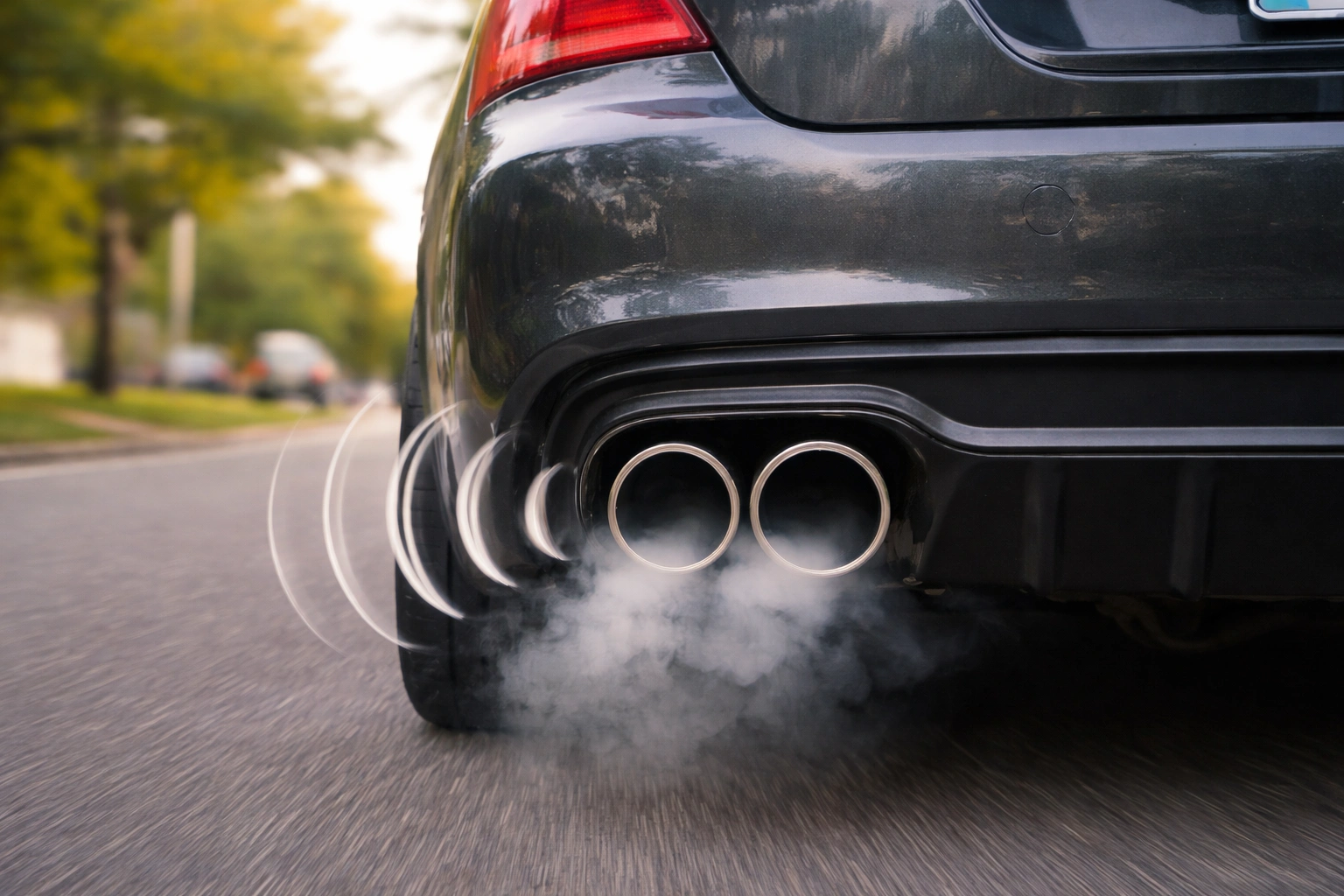
Engines are built to make noise. Combustion creates pressure, exhaust gases exit through pipes, and moving components spin at high speed. A slight increase in sound while accelerating is normal because the engine works harder to produce power. However, when the noise becomes noticeably louder than usual, harsher, or abnormal, it often signals a mechanical issue that requires attention.
Acceleration places additional load on the engine, transmission, and exhaust system. That extra stress can reveal weaknesses that stay quiet during idle or steady cruising. The key to diagnosing the problem lies in identifying the type of sound and when it appears. Is it a deep roar, metallic rattle, high pitched whine, or hissing noise? Each sound pattern connects to a specific system. A careful evaluation prevents unnecessary repairs and ensures the vehicle remains safe and reliable.
Exhaust System Problems That Amplify Engine Noise
Exhaust Leak Creating Roaring Sound
The exhaust system controls engine noise by routing gases through pipes, resonators, and a muffler. If a crack forms in a pipe or a gasket fails, exhaust gases escape before reaching the muffler. When you press the accelerator, exhaust pressure increases, making the leak much louder.
The sound often resembles a deep rumble or roaring tone that intensifies with speed. In vehicles like the Toyota Corolla and Honda Accord, rusted joints or worn flex pipes are common sources of leaks.
Inspecting the underside of the vehicle may reveal black soot marks around damaged sections. Repair typically involves replacing the affected pipe or gasket. Ignoring an exhaust leak can reduce fuel efficiency and allow fumes to enter the cabin.
Damaged Muffler Or Resonator
The muffler reduces engine sound through internal chambers that absorb and redirect exhaust pulses. When these chambers rust or break apart, the system loses its ability to quiet noise effectively.
Acceleration forces larger volumes of exhaust through the damaged component, resulting in a louder and more aggressive tone. A failing resonator may also change the exhaust note, making it sound harsher or hollow.
Replacing a worn muffler restores the original sound level and prevents further corrosion from spreading to adjacent pipes.
Regular inspection of exhaust components ensures quiet and efficient operation.
Engine And Intake Related Causes
Air Intake Leaks Or Modified Systems
The intake system delivers filtered air to the engine. A loose intake hose or cracked air duct can create a loud suction sound during acceleration. As the throttle opens, airflow increases rapidly, amplifying the noise.
Performance air filters or aftermarket intake systems sometimes produce louder induction sounds intentionally. However, unexpected increases in noise often indicate a loose connection.
Vehicles such as the Ford Mustang may have noticeable intake tones even in stock form, but sudden changes should not be ignored.
Securing hoses and ensuring proper air filter installation can reduce excess sound.
Engine Misfire Or Combustion Irregularities
A misfiring cylinder can create popping or uneven exhaust sounds. When fuel fails to ignite properly, combustion becomes inconsistent. Under acceleration, this irregular firing becomes more noticeable.
Faulty spark plugs, ignition coils, or fuel injectors may cause misfires. Drivers may also feel vibration along with increased noise.
Diagnostic scanning tools can identify misfire codes. Replacing worn ignition components restores smooth operation and reduces abnormal sound levels.
Maintaining spark plug service intervals prevents this issue from developing.
Transmission And Drivetrain Noise Under Load
Transmission Whine Or Gear Wear
A high pitched whining sound that rises with engine speed may originate from the transmission. Automatic transmissions rely on fluid pressure and internal gear assemblies. Low fluid levels or worn bearings can produce noise under acceleration.
Manual transmissions may also develop gear whine as components wear over time.
In trucks like the Chevrolet Silverado 1500, towing heavy loads increases drivetrain stress, which can accelerate wear.
Checking transmission fluid condition and ensuring proper lubrication helps prevent damage.
Professional inspection confirms whether internal components require repair.
Worn Wheel Bearings Or Axle Components
Wheel bearings and axle shafts endure constant rotation. When bearings wear out, they often create a humming or grinding sound that grows louder with speed.
Acceleration adds additional force to these components, making the noise more noticeable.
If the sound changes while turning, it may indicate which side is affected.
Replacing worn bearings or damaged axles restores quiet operation and prevents further suspension damage.
Heat Shields And Loose Components
Rattling Heat Shields
Heat shields protect vehicle components from high exhaust temperatures. Over time, mounting brackets may corrode or loosen.
When accelerating, engine vibration increases. Loose shields may rattle or buzz loudly under load.
This sound often resembles metallic vibration rather than a deep roar.
Securing or replacing the shield typically resolves the issue quickly.
Loose Engine Or Suspension Parts
Engine mounts stabilize the engine during acceleration. If a mount fails, the engine may shift slightly, causing vibration and noise.
Loose suspension components can also create clunking or grinding sounds when torque is applied.
Inspecting mounting points and tightening loose hardware reduces unwanted movement.
Early detection prevents larger structural damage.
A car that sounds louder than usual during acceleration may suffer from exhaust leaks, intake issues, misfires, transmission wear, or loose components. Identifying the specific sound and its behavior under load provides valuable clues.
Prompt inspection and repair prevent small issues from escalating into expensive damage. Maintaining regular service intervals ensures the engine, exhaust, and drivetrain operate quietly and efficiently for the long term.