Modern vehicles depend on a precise chain of events every time the key turns or the start button is pressed. Electrical systems wake up, fuel pressure builds, sensors communicate with the engine control module, and the starter motor cranks the engine. When the dashboard lights illuminate, the radio works, and interior electronics function normally, yet the engine refuses to start, the situation can feel confusing. Power clearly exists, but something essential in the starting process is missing.
A no start condition with working electronics usually points toward issues in the starting circuit, ignition system, fuel delivery system, or engine management controls. It does not automatically mean the battery is healthy or that the problem is simple. Some causes are minor and inexpensive, while others require detailed diagnosis. A structured approach helps isolate the source without replacing unnecessary parts. Careful observation of sounds, warning lights, and behavior during startup often reveals valuable clues.
Understanding The Starting System Components
Battery, Starter, And Ignition Circuit
The starting system begins with the battery. Even if lights and accessories work, the battery may still lack sufficient power to crank the engine. Starting requires much higher current than running interior electronics. A weak battery may power the dashboard yet fail under load.
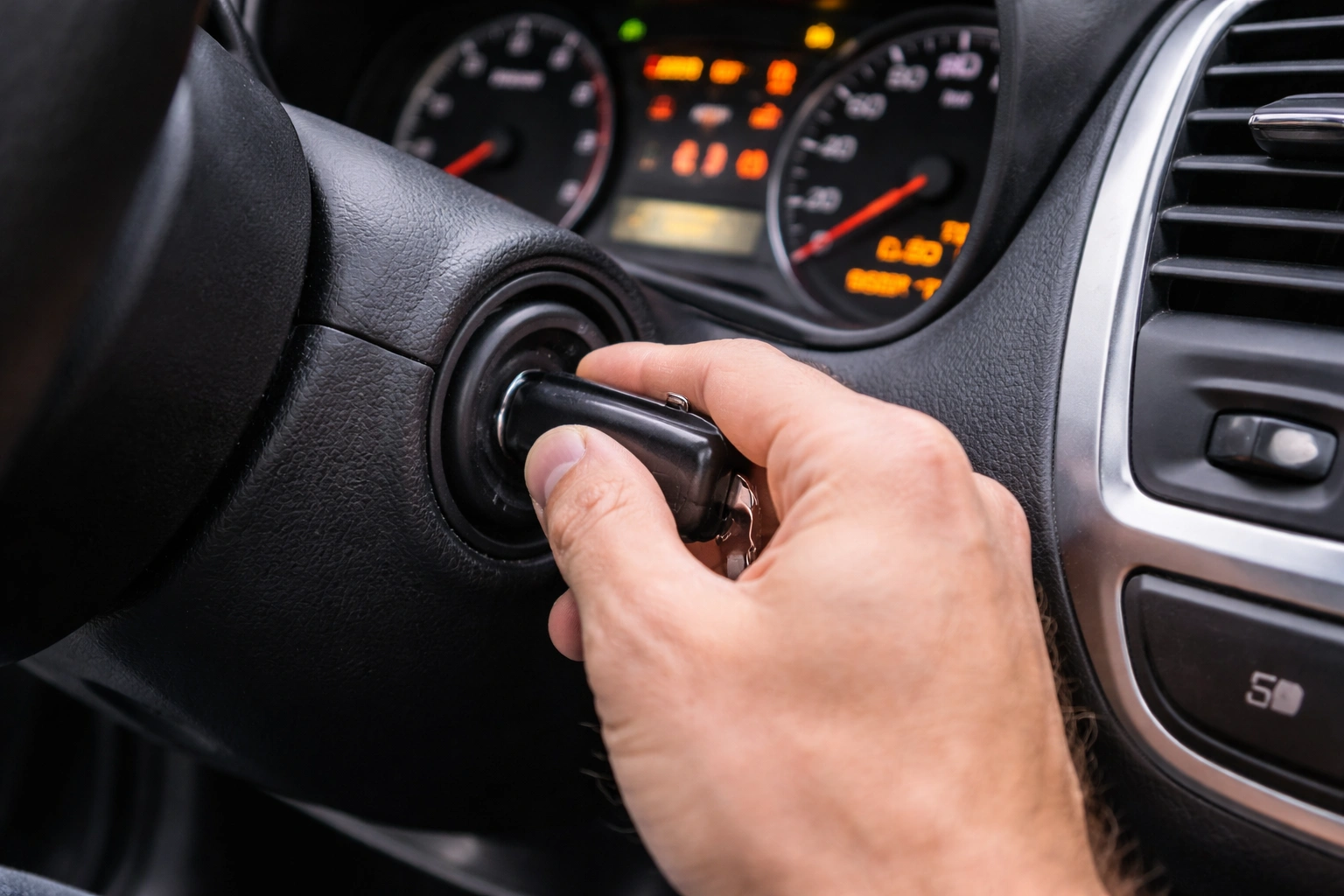
The starter motor engages when the ignition switch or push button sends a signal to the starter relay. The relay then directs battery power to the starter solenoid, which engages the starter gear with the flywheel.
Vehicles such as the Toyota Camry and Ford F-150 rely on this same basic process. If any link in this chain fails, the engine will not crank even though power appears available.
Listening for clicking sounds or silence during key rotation provides early diagnostic hints.
Fuel And Ignition Requirements For Engine Start
For an engine to run, it needs air, fuel, compression, and spark. If the engine cranks but does not fire, one of these elements may be missing.
Fuel pumps prime when the ignition turns on. Spark plugs ignite the air fuel mixture. The engine control module coordinates timing through signals from crankshaft and camshaft sensors.
Even if the starter motor spins normally, a fault in fuel delivery or ignition timing can prevent startup.
Distinguishing between no crank and crank but no start helps narrow down possible causes quickly.
No Crank But Power Present
Weak Battery Or Poor Connections
A common scenario involves a battery that appears functional but cannot provide enough current for cranking. Corroded battery terminals or loose connections restrict power flow under heavy load.
Interior lights may shine brightly, yet turning the key results in a rapid clicking noise. That clicking usually indicates insufficient voltage reaching the starter motor.
Testing battery voltage under load reveals whether it holds charge properly. Cleaning terminals and ensuring tight connections often restores function.
Battery age plays a role as well. Most batteries last three to five years depending on climate and usage.
Faulty Starter Motor Or Solenoid
When turning the key produces a single click or complete silence, the starter motor may be failing. The solenoid inside the starter engages the gear, but worn internal components prevent rotation.
Tapping the starter lightly sometimes allows temporary engagement, but this is not a long term solution.
Replacing a defective starter restores normal cranking. Diagnosis should confirm that power reaches the starter before replacement.
Some vehicles include additional safety interlocks that prevent starter activation if gear position sensors malfunction.
Engine Cranks But Does Not Start
Fuel Delivery Problems
If the engine turns over but fails to start, fuel supply may be interrupted. A failing fuel pump, clogged fuel filter, or faulty relay can prevent gasoline from reaching the engine.
Listening for a brief humming sound from the fuel tank when turning the key to the on position helps confirm pump operation.
In vehicles like the Chevrolet Silverado 1500, fuel pump modules include electronic components that may fail independently of the pump motor.
Testing fuel pressure with a gauge confirms whether adequate pressure exists for combustion.
Replacing worn components restores proper fuel flow.
Ignition System Failure
Spark plugs, ignition coils, or crankshaft position sensors can prevent spark generation. Without spark, fuel will not ignite even if it reaches the cylinders.
Modern vehicles monitor ignition timing through sensors. If a crankshaft sensor fails, the engine control module cannot determine firing sequence.
Diagnostic scanning tools reveal stored trouble codes related to ignition or sensor faults.
Timely replacement of defective ignition components resolves no start conditions caused by spark failure.
Security And Electronic Control Issues
Immobilizer Or Key Recognition Problems
Many vehicles use immobilizer systems that prevent starting without a properly programmed key. If the system does not recognize the key, the engine may crank briefly and then shut off or refuse to start entirely.
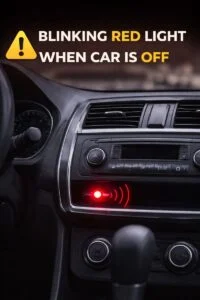
A flashing security light on the dashboard often indicates this issue.
Key fob battery replacement or reprogramming may solve the problem.
Electronic systems add complexity but improve theft protection.
Faulty Engine Control Module Or Sensors
The engine control module manages fuel injection, spark timing, and idle control. If it loses communication with essential sensors, startup may fail.
Sensors such as the crankshaft position sensor, camshaft sensor, or mass air flow sensor play critical roles during ignition.
While module failure is less common, wiring damage or corrosion can interrupt signals.
Professional diagnostic tools identify communication faults efficiently.
How to Troubleshoot
Begin by checking battery voltage and inspecting terminals for corrosion. If voltage appears low, perform a load test.
Next, determine whether the engine cranks. If not, inspect the starter relay, ignition switch, and neutral safety switch.
If the engine cranks but does not start, listen for fuel pump operation and check for spark at the plugs.
Scanning for diagnostic codes provides valuable insight into electronic faults.
Systematic testing prevents unnecessary parts replacement and reduces repair costs.
A car that has power but will not start often suffers from issues within the starting circuit, fuel system, ignition system, or security controls. Dashboard lights alone do not confirm battery health or engine readiness.
Careful observation, testing, and logical troubleshooting lead to accurate diagnosis. Addressing the root cause promptly restores reliable operation and prevents further inconvenience.