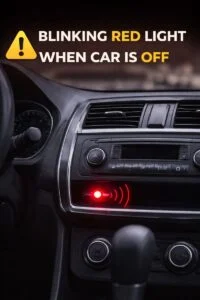
Cars today communicate more than ever, often without making a sound. One of the most common examples is a small blinking red light that stays active even after the engine is turned off. Many drivers notice it while locking the car at night or walking past it in a parking area.
At first glance, the light can seem confusing or even alarming. It raises questions about battery drain, electrical faults, or hidden problems waiting to surface. In reality, this blinking red light is usually intentional and part of your vehicle’s built-in security or monitoring systems.
Still, there are situations where it may indicate something that needs attention. This guide explains the meaning behind that blinking light in clear, simple language.
You will learn why it exists, what different blinking patterns mean, when it is normal, and when it deserves closer inspection. By the end, you will be able to tell the difference between normal behavior and a real warning.
Understanding The Purpose Of A Blinking Red Light
A blinking red light when the car is off is most commonly linked to the vehicle’s security system. Manufacturers design this feature to act as a visual deterrent against theft. When the light blinks, it signals that the car is protected and that unauthorized access may trigger an alarm or immobilizer.
This light also reassures the owner that the security system is active. Without it, there would be no simple way to confirm that the car is locked and protected from the outside.
In some vehicles, the light is also connected to an immobilizer system. This system prevents the engine from starting unless the correct key or electronic signal is detected. The blinking light confirms that the immobilizer is armed.
Common Locations Where The Light Appears
The blinking red light is usually placed where it can be easily seen from outside the car. Common locations include the dashboard near the windshield, the center console, or the instrument cluster area.
Some vehicles integrate the light into the door panel or near the gear selector. The exact position varies by manufacturer and model, but the intention is always the same: visibility.
If the light is clearly visible from outside when the car is locked, it is almost always related to security rather than a fault.
Normal Behavior You Should Expect
In most cases, a blinking red light when the car is off is completely normal. The light may blink slowly and steadily, often once every few seconds. This pattern usually means the alarm system or immobilizer is active and functioning as intended.
The blinking continues as long as the car remains locked. When you unlock the vehicle using the key or remote, the light typically stops blinking. This change confirms that the system has recognized authorized access.
This behavior is designed to consume very little power. It does not drain the battery under normal conditions, even if the car is parked for several days.
Difference Between Slow Blink And Rapid Blink
The blinking pattern can sometimes provide additional information. A slow, steady blink usually indicates normal security system operation.
A rapid or irregular blinking pattern may point to a system status change. In some vehicles, rapid blinking can mean the alarm was recently triggered or that the system detected an attempted intrusion.
If the light blinks rapidly for a short time and then returns to a steady pattern, it is often just a status notification rather than a problem.
When The Blinking Light Is Not Related To Security
Although security systems are the most common reason, there are exceptions. In some vehicles, a blinking red light may indicate a system standby mode for electronics such as keyless entry modules.
Certain hybrid or electric vehicles may use indicator lights to show battery monitoring or system readiness even when the car is off.
In rare cases, aftermarket accessories such as alarm systems or tracking devices may also introduce blinking lights that are not part of the original vehicle design.
Battery Drain Concerns Explained
One of the biggest worries drivers have is whether the blinking light drains the battery. Under normal conditions, it does not. The power draw is extremely low and is accounted for in the vehicle’s electrical design.
Problems arise only if the battery is already weak or if the car is left unused for a very long time. In such cases, the blinking light is not the cause but rather a small contributor alongside other standby systems.
If you experience repeated battery drain, the issue is more likely related to battery age, charging problems, or electrical faults elsewhere.
What Happens When The Battery Is Disconnected
When the battery is disconnected and reconnected, the blinking behavior may temporarily change. The security system may reset, causing the light to blink differently or remain solid for a short time.
This is usually part of a system reinitialization process. Once the system stabilizes, the blinking pattern typically returns to normal.
If the light behaves unusually after a battery change, a short drive or a lock and unlock cycle often resolves it.
Immobilizer Systems And Their Role
Many modern cars use immobilizer systems to prevent unauthorized engine starting. These systems rely on coded keys or electronic signals.
When the car is off and locked, the immobilizer is active. The blinking red light serves as confirmation that the system is ready to block engine startup if an incorrect key is used.
If there is a problem with key recognition, the light may behave differently when you attempt to start the car. This is separate from its normal blinking when the car is off.
Aftermarket Alarm Systems And Blinking Lights
If your car has an aftermarket alarm system installed, the blinking light behavior may differ from factory systems. Aftermarket systems often include bright LED indicators that blink in unique patterns.
These lights are usually installed intentionally as visible theft deterrents. The blinking pattern may vary based on system settings or recent events.
If you are unsure whether the system is factory-installed or aftermarket, a professional inspection can clarify this quickly.
When A Blinking Red Light Signals A Problem
While most blinking lights are normal, certain situations require attention. If the light remains solid instead of blinking, it may indicate a system fault.
If the light continues blinking even when the car is unlocked and running, this can also point to a malfunction.
Another warning sign is when the blinking pattern changes suddenly without any clear reason, especially if accompanied by other symptoms like warning messages or starting issues.
Relationship Between Blinking Light And Key Issues
The blinking red light can sometimes be linked to key recognition problems. If the car does not recognize the key, the immobilizer may stay active.
In such cases, the light may blink rapidly or stay illuminated when you try to start the engine. This is different from the normal blinking when the car is off.
Replacing a weak key battery or using a spare key often resolves this issue.
Climate And Environmental Effects
Extreme temperatures can affect electronic systems. Very cold or very hot conditions may temporarily alter blinking behavior.
Moisture intrusion or condensation can also impact electrical connections. While rare, this can cause unusual blinking patterns or intermittent operation.
If the behavior returns to normal once conditions improve, it is usually not a serious concern.
How To Confirm Normal Operation
The easiest way to confirm normal operation is to observe consistency. If the light blinks the same way every time you lock the car and stops when you unlock it, the system is likely working properly.
Checking the owner’s manual can provide confirmation specific to your vehicle. Manufacturers often describe security indicator behavior in simple terms.
Consistency and predictability are key signs of normal operation.
Situations That Deserve Professional Inspection
Seek professional help if the blinking light is accompanied by warning messages on the dashboard, difficulty starting the car, or frequent alarm triggers.
If the light behavior changes after electrical work or accessory installation, inspection is also recommended.
A diagnostic scan can quickly identify whether the system is functioning as designed or if a fault is present.
Avoiding Common Misunderstandings
Many drivers assume that any light visible when the car is off means a problem. This assumption leads to unnecessary worry.
Understanding that modern vehicles have multiple standby systems helps put things into perspective. Not every light is a warning.
Learning the difference between indicator lights and fault warnings saves time and reduces stress.
Practical Tips For Peace Of Mind
Take a moment to familiarize yourself with your vehicle’s normal behavior. Small observations go a long way in building confidence.
Avoid covering or disabling blinking lights, as they serve an important purpose. Doing so can compromise security.
If you ever feel uncertain, asking a professional is always better than guessing.
Final Thoughts
A blinking red light when the car is off is usually a sign that your vehicle is doing exactly what it should. It is a quiet signal that the security and immobilizer systems are active and protecting your car.
While there are rare situations where the light may indicate an issue, most cases are completely normal and harmless. Understanding its purpose removes unnecessary worry and helps you recognize real problems if they arise.
By staying informed and observant, you can trust your vehicle’s systems and enjoy peace of mind every time you lock the car and walk away.