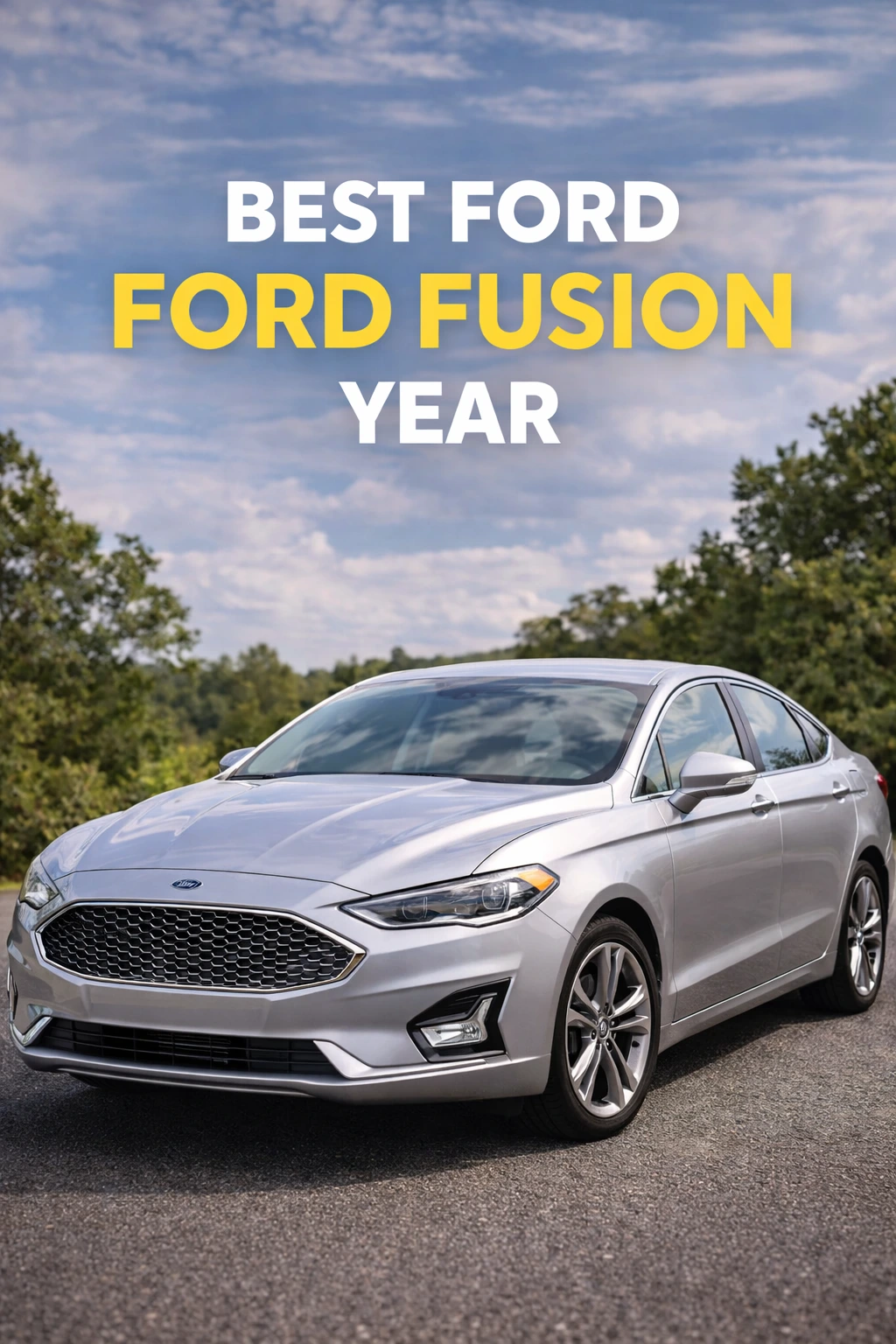
The Ford Fusion earned its place as one of the most well-rounded midsize sedans of its era. Known for clean styling, balanced handling, and a wide range of engine options, it appealed to drivers who wanted comfort without losing everyday practicality.
Over its production run, the Fusion evolved significantly, gaining new technology, improved safety systems, and more efficient powertrains. Yet not every model year delivered the same ownership experience.
Some years stand out for strong reliability, refined engineering, and fewer complaints. Others are remembered for early-generation issues or drivetrain concerns that affected long-term confidence.
Choosing the right year matters more than choosing the trim or even the engine. A well-chosen Fusion can deliver years of dependable service, while a poorly chosen one may bring frustration.
Understanding which Ford Fusion years performed best requires looking beyond marketing updates.
Reliability records, mechanical changes, owner feedback, and real-world durability tell a clearer story. With the right information, buyers can focus on the strongest years and avoid those that aged poorly.
Overview Of The Ford Fusion Generations
The Ford Fusion went through two major generations, each with distinct characteristics that influence long-term ownership.
First Generation Design And Engineering
The first generation launched with a focus on simplicity and affordability. These early models offered naturally aspirated engines, conventional automatic transmissions, and straightforward interior layouts.
While the design felt solid, early versions lacked the refinement and efficiency that later years achieved. Reliability varied depending on engine choice and maintenance history.
Second Generation Refinement And Technology
The second generation marked a major leap forward. Styling became more modern, interiors gained higher-quality materials, and technology features expanded rapidly.
Turbocharged engines, hybrid options, and advanced safety systems became available. This generation includes both some of the best and most problematic Fusion years, depending on configuration and production timing.
What Makes One Ford Fusion Year Better Than Another
Not all improvements come from visible changes. The best years are often defined by subtle engineering updates.
Powertrain Improvements Over Time
Engine and transmission tuning improved as production matured. Early versions of new engines sometimes experienced issues that were resolved in later years.
Updated calibrations, revised components, and better cooling designs contributed to stronger long-term reliability.
Technology Balance Versus Complexity
As features increased, so did complexity. Years that struck a balance between useful technology and manageable systems tend to age better.
Later updates refined infotainment systems and reduced early software-related complaints.
Safety And Structural Enhancements
Structural updates and added safety features improved crash performance and driver confidence.
Years that included these updates without introducing new mechanical problems tend to rank higher among owners.
Best Ford Fusion Years Based On Reliability And Ownership
Certain model years consistently receive positive feedback for dependability and overall satisfaction.
2010 And 2011 Models
These late first-generation years benefited from years of refinement. Engine options were proven, and many early issues had been resolved.
They lack modern technology but are often praised for durability and lower maintenance complexity.
2014 And 2015 Models
These years represent some of the strongest options in the second generation. Updates to styling, improved interiors, and refined powertrains created a well-balanced package.
Many owners report solid reliability when properly maintained, especially with naturally aspirated engines or well-serviced turbo models.
2018 And 2019 Models
Later production years benefited from accumulated updates and better quality control. Safety technology was more mature, and interior materials improved further.
These years are often considered among the most refined Fusion models available.
Ford Fusion Years That Require Extra Caution
Not every year offers the same peace of mind. Some require closer inspection before purchase.
Early Second Generation Concerns
Initial years of the second generation introduced new engines and transmissions. Some configurations experienced cooling and drivetrain concerns.
These issues do not affect every vehicle but appear frequently enough to warrant caution.
Turbocharged Engine Sensitivity
Certain turbocharged engines demand strict maintenance. Missed oil changes or overheating can lead to expensive repairs.
Later updates improved reliability, making later years safer choices for turbo models.
Software And Electronics Learning Curve
Early infotainment systems and driver-assistance features occasionally suffered from glitches.
Later software updates resolved many of these concerns.
Engine Options And Their Long-Term Behavior
The Ford Fusion offered multiple engine choices, each with its own strengths.
Naturally Aspirated Engines
These engines are often praised for simplicity and durability. They produce moderate power but require less complex maintenance.
Owners seeking long-term reliability often prefer these options.
Turbocharged Engines
Turbo engines deliver stronger acceleration and improved efficiency. However, they rely on careful maintenance.
Later production years improved turbo system durability, making them more appealing.
Hybrid And Plug-In Hybrid Models
Hybrid versions stand out for fuel efficiency and smooth operation. Battery systems have proven durable when properly maintained.
These models often rank highly for owners prioritizing efficiency and daily usability.
Interior Quality And Comfort Over The Years
Interior refinement improved steadily throughout the Fusion’s lifespan.
Early Interior Design
Early models focused on durability rather than luxury. Materials were functional but lacked visual appeal.
Controls were straightforward, contributing to ease of use.
Mid-Generation Upgrades
Later models introduced softer materials, improved seat comfort, and more modern layouts.
Noise insulation improved, making highway travel quieter.
Technology Integration
Infotainment systems evolved from basic displays to larger touchscreens with smartphone integration.
Later versions resolved early responsiveness issues and improved usability.
Ownership Costs And Maintenance Expectations
Cost of ownership varies significantly by year and configuration.
Routine Maintenance Patterns
Oil changes, brake service, and suspension wear follow typical midsize sedan patterns.
Later models may require more specialized service due to advanced systems.
Repair Trends By Model Year
Well-maintained later models generally experience fewer major repairs.
Earlier models may require suspension or cooling system attention as mileage increases.
Insurance And Resale Considerations
Later years with advanced safety features often qualify for lower insurance rates.
Resale value tends to be stronger for years known for reliability.
Choosing The Best Ford Fusion Year For Your Needs
The best year depends on priorities rather than popularity alone.
For Long-Term Reliability
Late first-generation or refined second-generation years offer strong dependability with fewer surprises.
Simpler engines often provide peace of mind.
For Modern Features And Safety
Later second-generation years deliver the most technology and safety options.
They suit buyers who value convenience and connectivity.
For Budget-Conscious Buyers
Earlier reliable years often offer excellent value on the used market.
Lower purchase prices combined with reasonable maintenance create strong overall value.
How Maintenance History Matters More Than Mileage
A well-maintained Fusion often outperforms a newer but neglected one.
Service Records And Ownership Care
Consistent maintenance prevents many common issues.
Vehicles with documented service history are safer choices regardless of year.
Inspection Before Purchase
Professional inspections reveal hidden wear or past neglect.
This step is especially important for turbocharged or hybrid models.
Final Thoughts
Choosing the best Ford Fusion year is less about finding a single perfect model and more about identifying the strongest periods in its production. Late first-generation models offer simplicity and durability, while refined second-generation years deliver modern features with improved reliability. Understanding engine options, maintenance requirements, and production updates makes the decision clearer.
The Ford Fusion’s reputation is shaped by both its strengths and its learning curves. When chosen carefully, it remains a comfortable, capable, and dependable midsize sedan. Buyers who focus on the best years, verify maintenance history, and match features to their needs often enjoy ownership that exceeds expectations.
A smart choice today can turn the Ford Fusion into a long-term companion rather than a short-term compromise.