Modern car stereos are deeply connected to a vehicle’s electrical system. They are no longer simple radios that turn on with a single wire and a knob. Today’s head units rely on multiple power sources, ground paths, control signals, and software logic to function correctly.
That is why a situation where the stereo clearly has power but refuses to turn on can feel confusing and frustrating. Lights may flash briefly, memory settings may stay saved, or a voltage reading may look normal, yet the screen remains dark and unresponsive.
This problem often leads people to assume the stereo itself is dead. In reality, many cases are caused by small electrical faults, wiring logic issues, or control signals that are missing rather than a complete hardware failure.
Vehicles also differ in how they supply power to the stereo, which adds another layer of complexity. By breaking the system down into how it receives power, how it wakes up, and how it grounds itself, the issue becomes much easier to diagnose. With the right approach, many of these problems can be solved without replacing the stereo at all.
How A Car Stereo Gets Power
Constant Power Versus Switched Power
Most car stereos receive power through two separate circuits. One wire supplies constant power directly from the battery. This keeps memory settings such as clock time, radio presets, and saved stations intact. The other wire provides switched power, which turns the stereo on when the ignition key is turned or when the vehicle’s control module allows it.
If constant power is present but switched power is missing or unstable, the stereo may appear to have power while staying off. This is one of the most common reasons a head unit refuses to turn on.
Ground Connection And Its Importance
A stereo cannot function without a solid ground. Even if both power wires supply voltage, a weak or interrupted ground can prevent the unit from powering up fully.
Ground points can corrode, loosen, or break over time, especially after dashboard work or stereo replacement. A stereo may show signs of life but never fully boot if the ground path is poor.
Vehicle Control Modules And Signal Logic
In newer vehicles, the stereo may not receive a simple ignition signal. Instead, a body control module sends a digital or low-voltage signal telling the stereo when to wake up.
If that signal is missing, delayed, or blocked, the stereo may stay off even though power is present at the connector.
Common Reasons The Stereo Has Power But Won’t Turn On
Blown Or Incorrect Fuse Configuration
Some vehicles use separate fuses for memory power and ignition power. One fuse can be intact while the other is blown.
In aftermarket installations, the wrong fuse tap or incorrect fuse slot can cause constant power to work while switched power never reaches the stereo.
Loose Or Miswired Harness Connections
Loose pins in the wiring harness are a frequent cause. A connector may look seated but not fully locked.
Miswired aftermarket harnesses can also cause this issue. If the accessory wire is connected incorrectly, the stereo never receives the signal to turn on.
Faulty Ignition Or Accessory Circuit
Ignition switches wear out over time. When this happens, accessory circuits may fail intermittently.
The stereo may work one day and stay dark the next, even though memory power remains present.
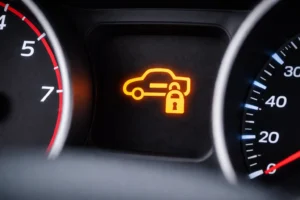
Anti-Theft Or Security Lockout
Some factory stereos disable themselves when they detect abnormal voltage behavior or battery disconnection.
In these cases, the unit may have power but remain locked until a security code or reset procedure is performed.
Software Or Firmware Freezes
Digital head units rely on internal software. Voltage spikes, battery replacement, or sudden power loss can cause the software to freeze.
When this happens, the stereo may not boot even though power is available.
Step-By-Step Checks That Actually Help
Inspecting Fuses The Right Way
Check all stereo-related fuses, not just one. This includes radio, accessory, interior electronics, and infotainment fuses.
Use the vehicle’s fuse diagram to confirm which circuits feed the stereo. Replace any blown fuse with the correct amperage only.
Verifying Switched Power At The Harness
With the ignition turned to the appropriate position, confirm that the accessory wire receives voltage.
If voltage is present on the constant wire but not on the switched wire, trace the issue back to the ignition circuit or control module.
Checking The Ground Point
Locate the stereo ground wire and follow it to its attachment point. Remove the bolt, clean the metal surface, and reinstall it tightly.
A clean, solid ground often restores stereo function immediately.
Testing For Voltage Drop
Sometimes voltage exists but drops under load. A weak connection can show power when measured but fail when the stereo tries to turn on.
This often points to corroded connectors or damaged wiring behind the dashboard.
Problems Specific To Aftermarket Stereos
Incorrect Wiring Harness Adapters
Not all harness adapters are wired the same. Some require manual changes to match the vehicle’s logic.
If the adapter does not properly connect the accessory signal, the stereo stays off despite having battery power.
Factory Amplifier Integration Issues
Vehicles with factory amplifiers often use turn-on signals that differ from standard setups.
If the amplifier does not receive its activation signal, the stereo may remain off or appear dead.
Steering Wheel Control Modules Interference
Improperly wired control modules can interfere with power signals.
Disconnecting these modules temporarily can help isolate the issue.
Factory Stereo Issues That Cause Power Without Operation
Internal Power Supply Failure
Factory head units contain internal power boards that regulate voltage. These boards can fail while still allowing memory circuits to work.
This results in saved presets but no display or response.
Display Or Backlight Failure
In some cases, the stereo is actually on, but the display has failed.
Audio may still play faintly, or buttons may respond without visible feedback.
Control Module Communication Errors
Factory systems rely on communication networks. If the stereo loses communication with the vehicle network, it may not activate.
Network faults can occur after battery replacement or electrical repairs.
Reset Procedures That Often Work
Hard Battery Reset
Disconnect the battery and leave it disconnected for at least 15 minutes.
This allows control modules and the stereo to fully power down and reset.
Stereo-Specific Reset Methods
Some head units have hidden reset buttons or key combinations.
Checking the manufacturer’s documentation can reveal these procedures.
Relearning Vehicle Modules
In certain vehicles, modules need to relearn their positions and communication after power loss.
This process may involve cycling the ignition or driving the vehicle for a short period.
When The Stereo Itself Is The Problem
Signs Of Internal Failure
No response to any input, no backlight, and no sound after all wiring checks often point to internal failure.
Burnt smells, heat marks, or visible damage confirm this diagnosis.
Repair Versus Replacement
Factory stereos are often expensive to repair due to integrated electronics.
Aftermarket replacements may be more cost-effective but require proper installation to avoid repeating the issue.
Preventing Stereo Power Problems In The Future
Avoiding Voltage Spikes
Disconnecting the battery during major electrical work protects the stereo.
Using quality batteries and clean terminals helps maintain stable voltage.
Secure Installation Practices
Ensuring harnesses are locked, wires are protected, and grounds are solid prevents future failures.
Avoid forcing connectors into place.
Updating Software When Available
Some factory systems receive updates that fix power-related bugs.
Dealership updates may resolve recurring issues.
Common Misconceptions About Stereo Power Issues
Many people assume that visible power means the stereo is fine. In reality, modern stereos need multiple signals to wake up.
Another misconception is that replacing the stereo always fixes the issue. If wiring or control signals are at fault, the new unit may behave the same way.
Recognizing these points saves time and money.
When Professional Diagnosis Makes Sense
If wiring checks, resets, and fuse inspections do not restore operation, professional diagnosis may be needed.
Advanced scan tools can detect communication errors and module faults that are invisible during basic testing.
Final Thoughts
A car stereo that has power but will not turn on is usually dealing with a missing signal, weak ground, or logic issue rather than total failure. Modern head units rely on multiple power paths and control inputs, and when any one of them is interrupted, the stereo stays silent. By checking fuses carefully, confirming switched power, inspecting grounds, and considering software behavior, most causes can be identified logically rather than guessed at.
Replacing the stereo should be the last step, not the first. In many cases, a simple wiring correction or reset brings the system back to life. Approaching the problem methodically reduces frustration and avoids unnecessary expense. With patience and attention to detail, even complex stereo power issues can be resolved confidently.