Picture an older sedan or pickup with a naturally aspirated gasoline engine, the kind that still relies on mechanical and electrical timing working together. It may have been running fine for years, starting with a twist of the key and pulling smoothly through the gears.
Then, little things begin to change. The engine hesitates, fuel mileage drops, or starting takes longer than it used to. Sometimes the car stalls at a stoplight for no clear reason.
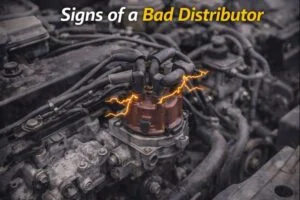
On many older vehicles, these changes point back to one critical part that often gets overlooked: the distributor. The distributor’s job is to send spark to the right cylinder at the right moment. When it begins to fail, the engine loses its rhythm.
This guide explains the clear signs of a bad distributor, why those symptoms happen, how to tell distributor trouble from other ignition problems, and what to do next, using plain language and real-world repair logic.
Short Note
This article is based on long-standing ignition system principles, manufacturer service guidelines, and real-world diagnostic practices used in professional repair environments.
Information was cross-checked with high-authority automotive references such as Car and Driver, MotorTrend, and established service manuals that explain distributor operation, ignition timing, and common failure patterns in distributor-based engines.
What the Distributor Does in Simple Terms
On vehicles that use a distributor-based ignition system, the distributor controls spark timing and spark distribution.
It receives high-voltage electricity from the ignition coil and routes it to each spark plug in the correct firing order. At the same time, it helps determine when that spark occurs relative to piston movement.
Inside the distributor are parts that wear over time:
- A rotating shaft driven by the engine
- A cap and rotor that guide spark to each cylinder
- Internal sensors or breaker points (depending on age)
- Mechanical or vacuum advance components
When any of these pieces degrade, spark delivery becomes inconsistent. Engines depend on precise timing, so even small errors show up quickly as drivability problems.
Why Distributor Problems Still Matter Today
Most modern cars use coil-on-plug or distributor-less systems, but millions of vehicles on the road still rely on distributors. Classic cars, older trucks, and many vehicles built before the early 2000s fall into this category.
Understanding distributor failure is especially important if you own an older vehicle or are maintaining a secondary or work vehicle where replacement parts are still common and affordable.
The Most Common Signs of a Bad Distributor
Distributor problems rarely show up all at once. They tend to start small and get worse. Here are the most reliable warning signs, explained clearly.
1. Engine Misfires or Runs Rough
One of the earliest signs is engine misfire, especially at idle or under light acceleration.
What it feels like
- Shaking or stumbling at idle
- Uneven engine sound
- Occasional jerks while driving
Why it happens
A worn distributor cap or rotor can’t send spark cleanly to the correct cylinder. Cracks, carbon tracking, or corrosion cause spark to jump to the wrong place or weaken before reaching the spark plug.
Misfires caused by distributor issues often come and go at first, especially in damp or humid conditions.
2. Hard Starting or no Start at All
If the distributor is failing, starting the engine can become difficult or impossible.
What you may notice
- Engine cranks longer than normal
- Car starts only after several attempts
- No start despite a good battery
Why it happens
If spark timing is off or spark isn’t reaching the plugs consistently, the engine can’t ignite the air-fuel mixture properly. A completely failed distributor cap, rotor, or internal sensor can stop spark altogether.
Hard starting that gradually worsens is a classic distributor warning sign.
3. Engine Stalls Unexpectedly
A bad distributor can cause sudden stalling, sometimes without warning.
Typical situations
- Stalling at stoplights
- Engine shutting off while cruising
- Car restarts after cooling down
What causes this
As distributor components heat up, worn internal parts or failing sensors can lose signal. When spark timing drops out, the engine stops running. Once things cool, the distributor may work again briefly.
This hot-and-cold behavior is common with internal distributor electronics on older designs.
4. Loss of Power and Poor Acceleration
When a distributor begins to fail, the engine may feel weak or sluggish.
Symptoms include
- Hesitation when pressing the accelerator
- Reduced pulling power on hills
- Slower response at highway speeds
Why power drops
Incorrect spark timing means combustion doesn’t happen at the ideal moment. Even if fuel delivery is perfect, late or weak spark reduces engine output. The car may feel like it’s working harder than usual to maintain speed.
5. Backfiring or Popping Sounds
Backfiring through the intake or exhaust is another strong clue.
What it sounds like
- Sharp pops when accelerating
- Occasional bang from the exhaust
- Hesitation followed by a loud noise
What’s happening
When spark timing is severely off, fuel can ignite at the wrong time. This can cause combustion in the intake or exhaust instead of inside the cylinder. Distributor timing errors are a common cause of this behavior in older engines.
6. Check Engine lLight (on Newer Distributor-Equipped Vehicles)
Some distributor-equipped vehicles use internal sensors that report to the engine control module.
Possible warning signs
- Check engine light turns on
- Trouble codes related to ignition timing or misfire
Important note
The light itself doesn’t mean the distributor is bad, but it signals that spark timing or distribution isn’t behaving as expected. A scan tool can help narrow this down.
7. Unusual Noises From the Distributor Area
Mechanical wear inside the distributor can produce sounds.
What you might hear
- Squeaking or chirping noises
- Light grinding sounds
- Clicking near the distributor housing
Why this happens
The distributor shaft rides on bushings that can wear out. As they loosen, the shaft wobbles, throwing off timing and causing physical noise. Shaft play is a serious issue and usually means replacement is needed.
8. Visible Damage Under the Distributor Cap
Sometimes the problem is obvious once you look.
What to check
- Cracks in the distributor cap
- White or green corrosion on terminals
- Burn marks or carbon tracking
- Worn or burned rotor tip
These signs show that high-voltage electricity is not flowing correctly. Even small cracks can cause major ignition problems, especially in damp weather.
Distributor vs Other Ignition Problems
It’s important to separate distributor trouble from similar issues.
Could it be spark plugs or wires?
Yes, worn plugs or bad wires can cause similar symptoms. However:
- If plugs and wires are new and problems remain, suspect the distributor
- If moisture makes symptoms worse, distributor cap issues are likely
Could it be the ignition coil?
A bad coil usually causes widespread misfires or no spark at all. Distributor problems tend to affect cylinders unevenly at first.
Could it be fuel-related?
Fuel problems often show up under heavy load or high speed. Distributor issues often appear at idle, start-up, or during light acceleration.
Simple Checks You Can Do Yourself
You don’t need advanced tools to perform basic inspection.
Step 1: Visual inspection
- Remove the distributor cap
- Look for cracks, corrosion, or moisture
- Check the rotor for wear
Step 2: Check shaft play
- Gently try to move the distributor shaft side to side
- Any noticeable movement suggests worn bushings
Step 3: Look for moisture
- Water inside the cap indicates seal failure
- Moisture often explains intermittent misfires
If you see clear physical damage, replacement is usually the best solution.
Can You Drive with a Bad Distributor?
Technically, sometimes yes. Practically, it’s not a good idea.
Risks include
- Sudden stalling in traffic
- Worsening fuel economy
- Damage to catalytic converter from misfires
- Complete no-start situation without warning
Distributor problems rarely fix themselves. They usually progress.
Repair and Replacement Options
Replacing cap and rotor
- Often the first and least expensive step
- Suitable if the distributor body and shaft are still good
Replacing the entire distributor
- Necessary if shaft play, internal sensor failure, or housing wear is present
- Modern replacement distributors often come pre-assembled
Typical costs
- Cap and rotor: $30–$100
- Full distributor replacement: $150–$600 depending on vehicle
- Labor: 1–2 hours on most engines
Costs vary by engine design and access.
Preventing distributor failure
While distributors wear over time, good maintenance helps.
- Replace cap and rotor at recommended intervals
- Keep ignition components dry and clean
- Fix oil leaks that drip onto the distributor
- Use quality replacement parts
Regular inspection during tune-ups catches problems early.
Final thoughts
A bad distributor doesn’t fail quietly forever. It sends signals through misfires, hard starts, stalling, and power loss. The earlier you recognize those signs, the easier and cheaper the repair usually is.
If your vehicle still uses a distributor and the engine behavior has changed without explanation, don’t overlook this component. A careful inspection and timely replacement can restore smooth running and prevent a roadside breakdown.