We set up your coverage, then retune it whenever your car, your drivers, your address or your commute changes.
Plain explanations before you sign. Quick updates when life changes. A review before every renewal. That is the whole idea, and we keep to it.
Life moves: a new car, a move, a longer commute, someone new behind the wheel. Autovibis was built on one habit. We set it up properly, then check in at every interval so it keeps fitting the way you actually drive.
That means no jargon walls and no thick paperwork nobody reads. You get plain explanations up front, quick updates when something changes, and a review before every renewal.
From the first setup to the next renewal, these are the jobs we take care of.
A car needs regular servicing, and so does the coverage that goes with it. These eight services are the workshop checklist we run for you, from the opening appointment to the next renewal.
We start with your car and the way it is driven, then assemble coverage to match. Every component is explained at the bench before you put your name on anything.
Changed cars, moved house or lengthened the commute? Report it and we adjust the setup, then mail the revised paperwork when the work is complete.
Ahead of every renewal we inspect the whole setup piece by piece and mark whatever has gone out of tune. You learn the results while there is still room to act.
We go over the discounts that could suit you and apply the matching ones. You are told exactly which were examined, so no option is skipped.
We explain what each stage of a claim involves and what your coverage has to say at that point, so from the first report to the last step you can see what comes next.
Also known as SR22 and FR44 filings. If you have been told to file, we take care of it and mail the proof with your other papers. Each requirement is followed through so nothing is left unfinished.
Message us and the ID cards and proof of insurance you asked for are sent straight back. If another copy turns up on your list later, simply ask.
Hand over your details, read the quote, sign, collect the paperwork. Four labeled steps with nothing extra, so the progress is always visible.
The habits we keep, every single time.
Every coverage, limit and deductible is written out so you know what you are signing. If a line is unclear, ask and we explain it again.
When something about your driving changes, your coverage changes with it. You tell us, we update it and send confirmation.
We review it before each renewal, not after it has already started. That leaves room to adjust before the new term begins.
ID cards, proof of insurance and filings are sent when you ask for them. Ask as often as you like.
Deductibles, limits and exclusions are stated up front, not buried in the fine print. What you read is what you get.
Every update you ask for is written down and confirmed back to you. A clear record, always.
SR22 and FR44 paperwork is kept on file from the first filing onward. No loose ends.
Before renewal, you get a short rundown of what changed and what to look at. Short, plain and useful.
Think of a service bay with four stations. Each coverage sits where it does its work. Everything below is offered depending on your state and policy, and so are the discounts we check.
The Frame covers the people on the road and the responsibility you carry when you drive. These coverages matter most when someone else is hurt or when the other driver cannot pay.
Also known as liability coverage. Responds to bodily injury and property damage when you are the cause. Most of the other coverage in this bay is built on top of it.
Also known as uninsured and underinsured motorist coverage. Takes over when the driver at fault carries nothing or too little. Lacking it, repair and medical bills could land entirely on you.
Also known as medical payments coverage. Pitches in on medical bills for you and your passengers after a crash, regardless of fault. It complements your health plan and does not replace it.
Also known as personal injury protection. Reaches further into injury costs after a crash, potentially including lost pay, in the states that offer it. Where you live decides whether it is available to you.
The Body is about your car itself. Collision and comprehensive handle the repairs, while custom equipment adds protection for the upgrades you have made.
Also known as collision coverage. Funds the repair when your car runs into another vehicle or a fixed object. You pay the deductible you selected and the balance is handled.
Also known as comprehensive coverage. Handles damage that is not a collision, such as theft, broken glass, fire, hail, floods and hitting an animal. It is the catch-all for everything else.
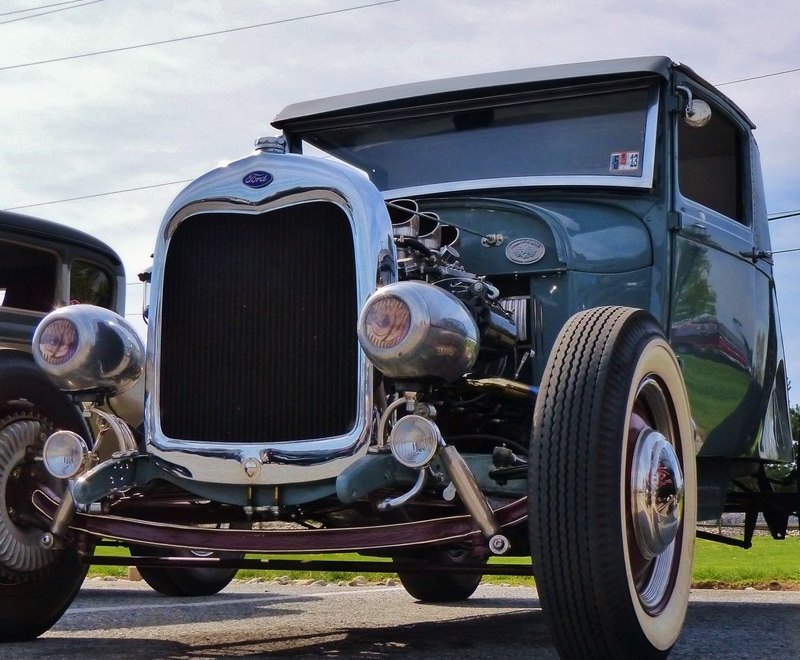
Also known as custom equipment coverage. Protects the aftermarket parts you bolted on, from sound systems to wheels and racks, which standard coverage often limits.
The Wheels covers the moments when the road gets in the way: a car worth less than the loan, a breakdown far from home, or a repair that leaves you without a car.
Also known as gap coverage. Pays the gap between the car's value and your remaining loan balance if the car is a total loss. Useful to review when a car is financed or leased.
Also known as roadside assistance. A tow truck, a battery boost, a tire change or a locksmith. Support for the small breakdowns that strand you at the worst moment.
Also known as rental reimbursement. Contributes toward a rental while your car is at the garage after a covered loss. The daily amount and the number of days are chosen when you add it.
The Paperwork bay holds the additions and filings that fit particular situations, from carrying paying riders to proving required coverage to a court or state.
Also known as the rideshare endorsement. Stretches your coverage over the hours your car carries paying passengers, a use that regular personal coverage may leave out.
Also known as a non-owner policy. Liability protection that applies when you drive someone else's car and hold no coverage of your own. It stays with the driver, not the vehicle.
Also known as SR22 and FR44 filings. Documentation of required coverage, submitted for you whenever a court or state demands it. You receive the confirmation once it is filed.
No detours, no jargon. Here is the whole route.
A few details about you and your car are all we need to begin. Have your car details handy and you can start.
Each coverage, limit and deductible is set out one by one and explained. Questions about any line? Email us.
Happy with what you read? Sign, and you are set up. Signing is the only step that needs your decision.
Your documents and ID cards arrive for the glove box. Ask for extra copies whenever you need them.
The quote you receive is the full picture, with each coverage, limit and deductible written out one by one, so you know exactly what you are reading before you sign.
Once you sign, your documents and ID cards arrive and you are set. From there, we keep your coverage current and review it before each renewal.
This is the rhythm we keep from the first day to the next renewal.
We build your coverage, explain each part and send your documents.
Something changes? Tell us and we update it and confirm in writing.
We go through everything, note what has changed and send a summary.
You decide what stays, and your next term begins informed.
A longer drive to work or a new route adds miles and changes how your car is used. Tell us and we update your coverage to fit.
Even a few extra miles a week can change how your coverage should be set up. We look at where you drive, how often and what that means for each part of it.
Your quote arrives set out one by one. Each coverage, limit and deductible is explained, so nothing in it is a surprise when you sign.
If a term is unclear, ask. We explain it again in everyday language until it makes sense, before you sign anything.
Renewal should never arrive as a surprise. Before it does, we go through your coverage, check what has changed since last time and tell you what we find.
You get a clear picture of where things stand, then decide what stays and what shifts.
We look at your coverage, your deductibles, the cars and drivers listed, and the discounts that apply. Nothing is changed without you knowing.
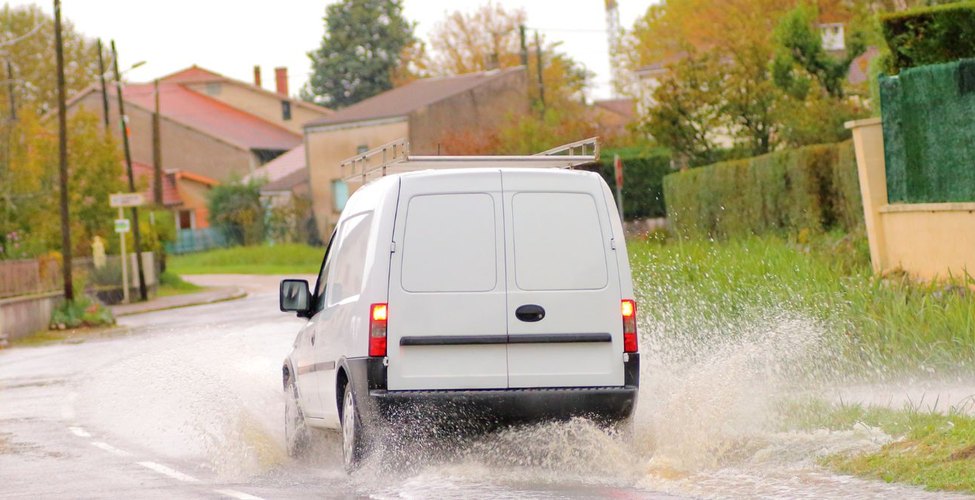
Some damage has nothing to do with driving. Comprehensive coverage is where weather, theft and broken glass belong, and we explain how yours is set up.
Weather is the part of driving nobody controls. Knowing what your coverage does when a storm, a thief or a stray rock shows up is better learned now than after.
Whoever is behind the wheel, your coverage should know about it. Tell us and we update the list of drivers before it matters.
The same goes for a car that changes hands or a driver whose situation changes. Keep the record accurate and your coverage stays accurate.
Keep these handy. They take a minute to read.
Tell us about any of these and we update your coverage. Small changes matter more than they seem.
The words you will see in your quote, in language that makes sense.
The deductible: what you pay toward a covered loss before coverage starts to pay. A higher one usually means a lower premium; a lower one means less out of pocket after a loss.
The limit: the most a coverage will pay for a covered loss. Higher limits protect more, so we explain what each one means.
The premium: the amount charged to keep your coverage in place for a term. It is shaped by the coverage you choose.
An endorsement: an addition to your coverage that adds or changes protection. Rideshare is one example.
A total loss: when repairs would cost more than the car is worth. This is where gap coverage can matter.
The declarations page: the summary page showing your cars, drivers and coverages. Worth a read each renewal.
The renewal: the start of your next term, with your coverage reviewed again. A good moment to make changes.
SR22 and FR44: filings that show a court or state you carry required coverage. We arrange them for you.
The questions that come up most.
Send your details and we begin setting things up, then keep it in tune from there.
Take a minute to read your quote, ask about anything unclear and sign when it makes sense to you. After that, we handle the changes and the reviews.
Questions, changes or documents? Email is the way.
Everything we do for you runs through email, so there is always a written record of what you asked and what we did. Send us what you need and we reply in writing, with documents attached when they are part of the answer.
Send us what happened and we explain each step of the claim in writing.
Send a few details and we start setting things up.
Email the new car, address or driver details and the date it takes effect.
Ask for an ID card, proof of insurance or a filing and we send it back.
Email us before your renewal and we go through it with you in writing.